Is Yemen now a frontline extension of Iran’s war strategy? New claims suggest the answer is yes.
Yemen Says Iranian Revolutionary Guard Experts Arrive in Sanaa as Houthis Enter Iran War.
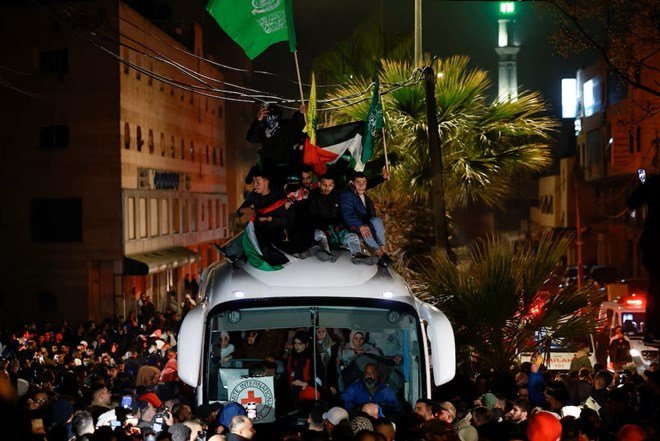
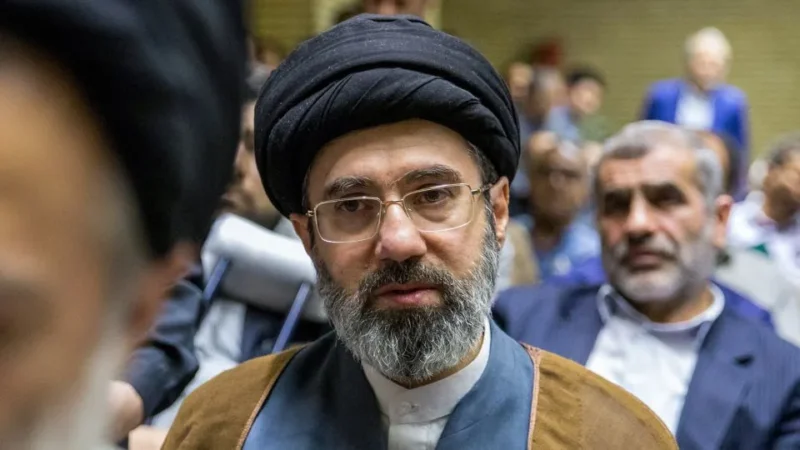
Yemen’s government has accused Iran of deepening its direct military involvement in the conflict, saying senior operatives from the Islamic Revolutionary Guard Corps have recently arrived in Sanaa, the Houthi-controlled capital.
Information Minister Muammar al-Iryani said the deployment of additional Iranian “leaders and experts” coincided with the latest escalation in the regional war, describing it as part of a deliberate and longstanding pattern rather than a coincidence.
According to al-Iryani, the move underscores what he called a centralized command structure directed by Tehran, in which the Houthis operate not as independent actors but as instruments within a broader cross-border military system.
“The idea that the Houthis are partners or autonomous allies is misleading,” he said, arguing that operational decisions are shaped and coordinated by Iran’s military leadership.
The claims come just hours after Yemen’s Houthi movement formally entered the war, launching a ballistic missile toward Israel—its first direct strike since the U.S.-Israeli campaign against Iran began. Israeli forces said they detected and intercepted the missile.
The development marks a significant expansion of the conflict’s geographic scope, opening a potential Red Sea front at a moment when global shipping routes are already under strain.
Iranian officials have previously warned that escalation could extend beyond the Gulf, with threats to disrupt traffic through the Bab al-Mandab Strait—a critical maritime chokepoint linking the Red Sea to global trade routes.
If sustained, such a shift would carry far-reaching consequences. The Bab al-Mandab corridor handles a substantial portion of global shipping, including energy supplies rerouted from the Strait of Hormuz, which has already been heavily disrupted by the war.
Al-Iryani warned that underestimating Iran’s role in Yemen risks misreading the conflict entirely. Allowing Tehran greater operational space, he argued, could accelerate the expansion of hostilities and deepen regional instability.
The situation now points to a broader transformation of the war—from a primarily Gulf-centered confrontation into a multi-theater conflict stretching from the Persian Gulf to the Red Sea.
Whether this escalation remains contained or triggers a wider maritime crisis may depend less on battlefield outcomes and more on how far regional actors—and their proxies—are willing to push the front lines.