Exclusive Strategic Analysis
Assessing the Emerging Hybrid Threat Following Somaliland’s Diplomatic Breakthrough with Israel
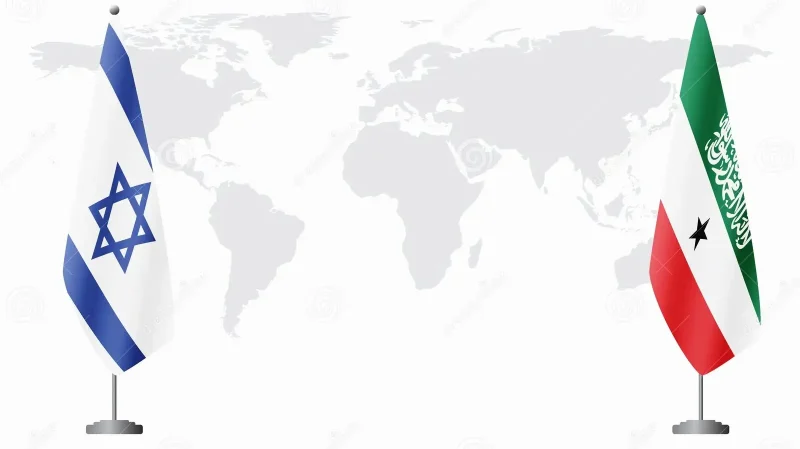
Somaliland’s recent decision to establish full diplomatic relations with Israel has fundamentally transformed the republic from a largely overlooked political entity into an increasingly vital player in Red Sea geopolitics.
While international attention has focused on the diplomatic symbolism of Israel’s historic recognition, the long-term strategic consequences may prove far more complex. Within days of the diplomatic breakthrough, Somaliland experienced an immediate convergence of volatile security developments.
Hostile rhetoric from Houthi leaders intensified, coordinated cyberattacks targeted critical government digital infrastructure, and internal political divisions over the Jerusalem embassy rapidly expanded across social media and regional networks.
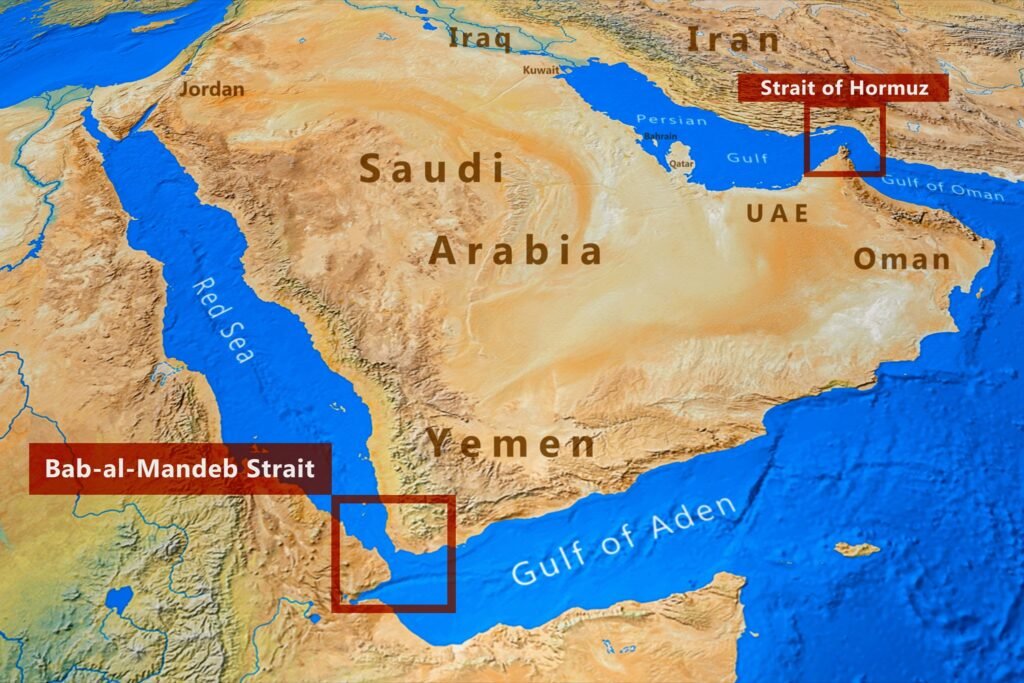
Intelligence observers are currently evaluating two competing hypotheses to explain the sudden friction. The first framework suggests Somaliland has become a deliberate target of a coordinated hybrid pressure campaign linked directly to Iran’s regional strategy.
This view is supported by explicit, televised warnings from Houthi leadership labeling Israeli presence a “red line,” alongside sophisticated web defacements and network intrusions against state portals.
This pattern mirrors Iran’s established asymmetric playbook of utilizing proxy organizations to disrupt adversaries near vital shipping lanes. Conversely, a second plausible hypothesis suggests these current developments represent independent, uncoordinated reactions by multiple domestic and regional actors.
In this view, domestic political opposition possesses its own intrinsic motivations, and independent non-state hacker groups frequently launch opportunist campaigns during high-profile diplomatic shifts to maximize publicity.
To understand the operational environment Hargeisa now navigates, the overall threat landscape can be broken down by risk levels and trajectories across several key domains:
| Domain | Current Risk Level | Trajectory |
| Cyber Security | High | Increasing |
| Information Operations | High | Increasing |
| Maritime Security | Medium-High | Increasing |
| Political Stability | Medium | Increasing |
| Economic Pressure | Medium | Stable |
| Terrorism | Low-Medium | Stable |
Moving forward, analysts evaluate with high confidence that hostile information campaigns targeting Somaliland will increase. Political disputes surrounding foreign policy provide prime opportunities for both domestic and foreign actors to amplify social divisions using religious narratives and online disinformation.
Furthermore, there is an elevated cyber risk to critical government infrastructure. Recent digital breaches demonstrate that Somaliland’s online systems are attractive targets, offering adversaries a low-cost, deniable method of creating domestic political disruption.
The ultimate direction of this strategic friction will depend on a series of early warning signs over the coming months.
Security agencies must closely monitor for concurrent indicators: additional cyber intrusions, escalated proxy threats targeting Gulf of Aden commercial activity, and organized attempts to exploit religious or political polarization.
If several of these indicators emerge simultaneously, confidence in a sustained, state-backed hybrid campaign will increase.
Ultimately, whether recent events represent isolated incidents or the opening phase of a broader geopolitical contest over Somaliland’s strategic territory will depend on institutional resilience, the rapid hardening of cybersecurity defenses, and the government’s ability to protect legitimate democratic debate from unlawful foreign interference.