Coalitions failed. Sanctions lifted. Now threats to power plants. Is there a plan—or just panic?
As the war with Iran intensifies, President Donald Trump’s rapidly shifting strategy on the Strait of Hormuz is raising urgent questions about whether Washington entered the conflict without a clear plan for how to end it.
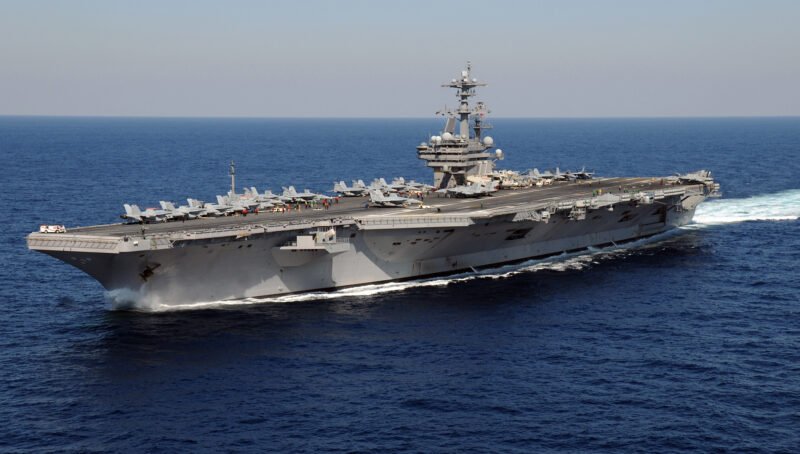
Over the past week, the administration’s approach has moved through a series of starkly different options—each reflecting growing pressure as the crisis deepens. Trump initially called for an international naval coalition to secure the strait, a vital artery for global oil and gas.
When key allies declined, he suggested the United States could act alone. Days later, he appeared to signal a willingness to step back, even implying that other countries should assume responsibility.
Then came a reversal.
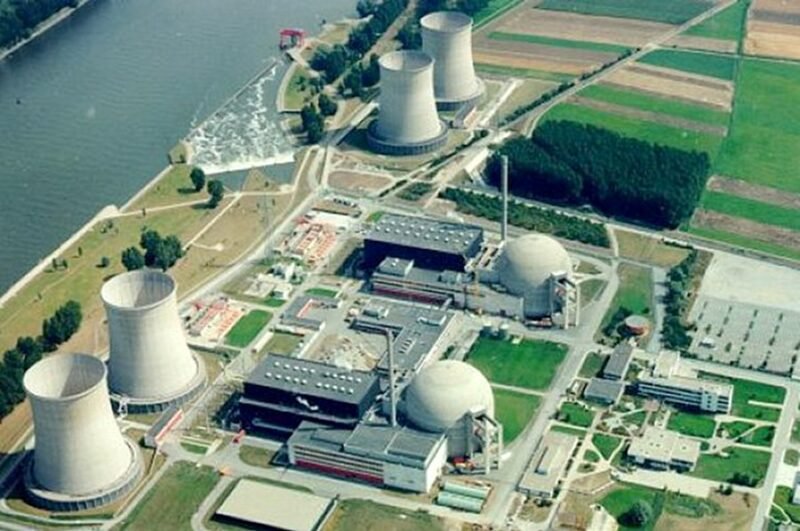
In his most aggressive move yet, Trump issued a 48-hour ultimatum to Tehran: reopen the Strait of Hormuz or face U.S. strikes on Iran’s power infrastructure. The threat marked a significant escalation, shifting from military targets to assets that sustain civilian life, including electricity networks tied to hospitals, homes, and essential services.
Supporters within the administration framed the warning as a hard-edged tactic designed to force Iran’s hand. Critics, however, see it as evidence of a strategy under strain.
Several lawmakers and legal experts argue that targeting civilian infrastructure could violate international law, particularly if the anticipated military advantage does not clearly outweigh the humanitarian cost.
The broader concern is not just the threat itself, but what it reveals about the trajectory of U.S. decision-making.
Trump has insisted that the administration anticipated Iran’s ability to disrupt the strait. Yet the sequence of policy shifts—from diplomacy to economic concessions, and now to potential strikes on critical infrastructure—suggests a government searching for leverage in real time.
Even the decision to ease sanctions on Iranian oil, an effort to stabilize global markets, has introduced new contradictions by potentially strengthening Tehran’s financial position.
The pressure is mounting. Rising energy prices are already rippling through global markets, with direct consequences for American consumers and political fallout at home. With midterm elections approaching, the economic dimension of the conflict has become inseparable from its military trajectory.
Allies, meanwhile, remain cautious. NATO members have largely avoided direct involvement, and even close partners have signaled unease about the direction of the war.
Israeli officials have warned against actions that could destroy infrastructure needed for any future post-conflict recovery, highlighting the lack of consensus even among aligned governments.
The risks of escalation are clear. Iranian officials have warned that attacks on civilian energy systems would trigger broader retaliation, including a potential full closure of the Strait of Hormuz—an outcome that could push global energy markets into deeper turmoil.
At its core, the crisis has become a test of strategic coherence. Military operations may have achieved early tactical gains, but without a defined political objective or coordinated international backing, those gains are difficult to translate into lasting outcomes.
The next moves will be decisive. Whether through escalation, negotiation, or a recalibration of goals, Washington must now confront a reality that has become increasingly difficult to ignore: controlling the start of a war is far easier than controlling how it unfolds.