Former MI6 Chief Says U.S. Lost Initiative in War – Airstrikes didn’t decide this war. Strategy did—and Iran may be ahead.
A stark assessment from one of Britain’s most experienced intelligence figures is reshaping how the Iran war is being understood: not as a contest of firepower, but of strategy—and one in which Iran may now hold the advantage.
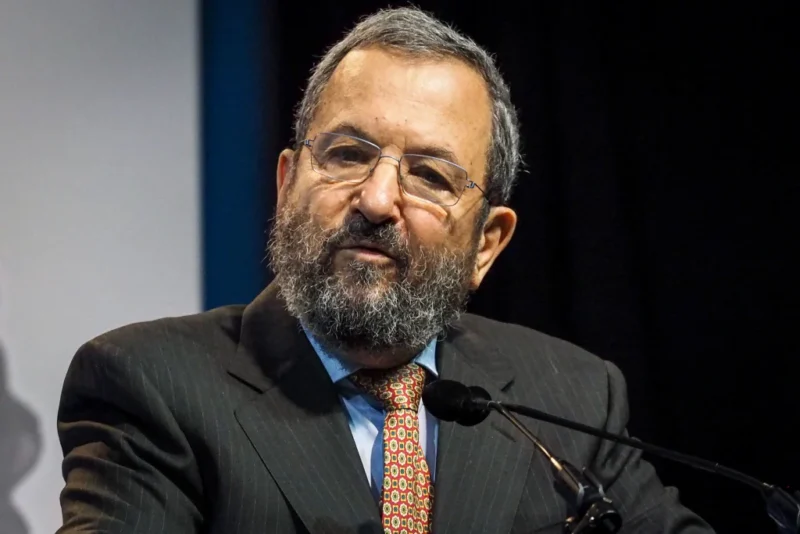
Sir Alex Younger, the former head of MI6, argues that the United States has already lost the initiative. His conclusion rests on a simple but unsettling observation: Iran has turned a regional conflict into a global one—and done so deliberately.
“Iran has the upper hand,” Younger said, pointing to a series of calculated moves that have allowed Tehran to offset its conventional military disadvantages. Despite early setbacks, including the loss of senior leadership, the Iranian system has proven more resilient than many expected.
Part of that resilience, he suggests, was built long before the war began.
Iran’s decision to disperse key military assets reduced the effectiveness of sustained airstrikes, limiting the damage of one of Washington’s primary advantages.
At the same time, Tehran adopted what military analysts describe as “horizontal escalation”—expanding the conflict beyond its immediate front lines by targeting a wider set of actors across the region.
What initially appeared reckless, Younger argues, has proven effective.
By increasing the number of participants and pressure points, Iran has forced the United States and its partners to absorb rising costs—not just militarily, but economically and politically. The most consequential move, however, has been the use of energy as leverage.
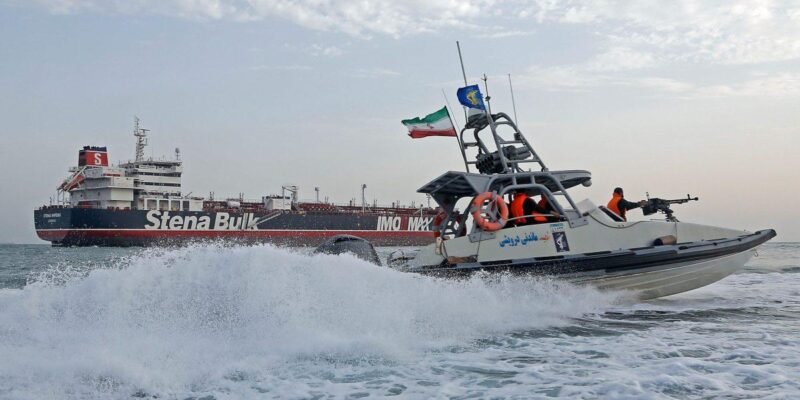
The disruption of the Strait of Hormuz transformed the conflict from a regional confrontation into a global economic crisis. With a significant share of the world’s oil supply passing through that narrow corridor, even partial restrictions have reverberated across markets, raising prices and intensifying pressure on governments far from the battlefield.
In Younger’s view, that shift was decisive.
It allowed Iran to redefine the terms of the war. Rather than competing directly with superior U.S. military power, Tehran expanded the battlefield into areas where it could impose indirect costs—energy markets, shipping routes, and regional stability.
The result is a conflict shaped by asymmetry.
The United States, Younger argues, is fighting a war of choice—one where domestic political pressures, alliance dynamics, and economic considerations constrain its options. Iran, by contrast, sees the conflict in existential terms, a perception that often translates into greater endurance.
That difference matters.
Wars are not only won by capability, but by willingness to absorb cost. If one side views survival as the stake, it may outlast an opponent that seeks limited objectives or faces internal constraints.
Younger also points to messaging as a factor. U.S. rhetoric framing the conflict as existential for Iran may have inadvertently reinforced Tehran’s resolve, strengthening internal cohesion at a critical moment.
None of this suggests a clear or final outcome. The war remains fluid, with ongoing negotiations, shifting military dynamics, and unpredictable escalation risks.
But the broader implication is clear: advantage in modern conflict is not always defined by battlefield dominance.
It can emerge from the ability to shape the environment in which the war is fought.
And by that measure, Younger’s conclusion is sobering: despite weaker initial conditions, Iran may have played its hand more effectively—turning pressure into leverage, and leverage into strategic momentum.