In the realm of health and wellness, the term “metabolism” often gets thrown around, with various products claiming to boost it. But what exactly is metabolism, and why does it matter for your health? Let’s delve into the world of metabolism to uncover its mysteries and understand its significance in maintaining overall well-being.
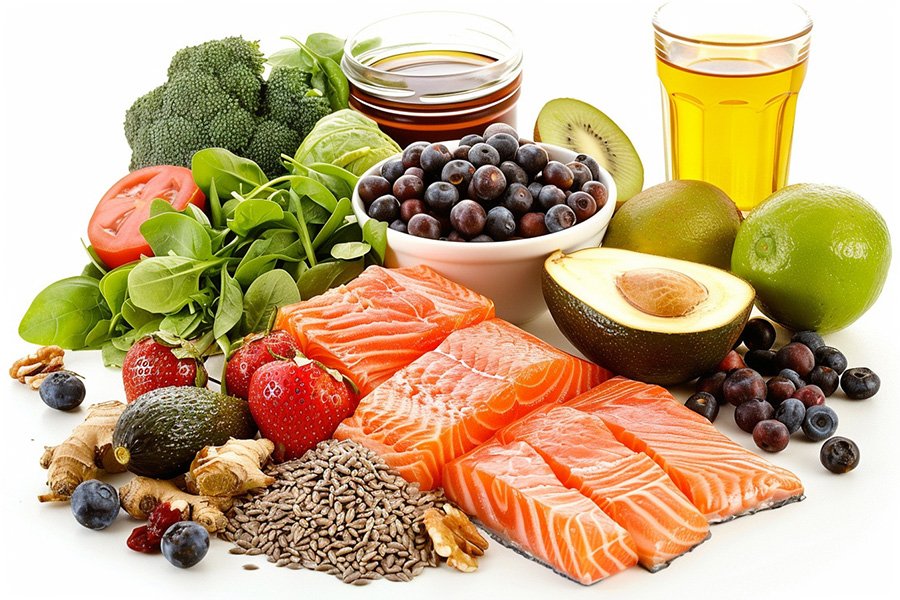
At its core, metabolism is the intricate network of molecules and proteins in your body that converts the food you consume into energy and essential building blocks necessary for growth, movement, and repair. This process involves breaking down carbohydrates, fats, and proteins into smaller components, releasing energy stored within chemical bonds. This energy is then harnessed by cellular components called mitochondria to power various cellular functions, akin to how batteries store and release energy.
But metabolism is not just about energy conversion; it also plays a crucial role in determining your body’s phenotype – its physical characteristics and traits influenced by biological processes. Everything from your lifestyle choices to environmental factors can influence your metabolism, shaping your overall health and well-being.
Understanding metabolism goes beyond mere curiosity; it offers valuable insights into various health conditions and athletic performance. For instance, elite athletes serve as prime examples of finely tuned metabolic systems optimized for peak performance. By studying their metabolic traits, researchers can uncover valuable information about enhancing athletic performance and identifying markers of metabolic health.
Conversely, metabolic dysfunctions observed in diseases like COVID-19 shed light on the profound impact of illness on energy metabolism. Patients with COVID-19 exhibit impaired fat-burning abilities and mitochondrial dysfunction, contributing to symptoms like fatigue and exercise intolerance. These insights not only deepen our understanding of disease mechanisms but also pave the way for novel therapeutic interventions.
Moreover, metabolic diversity among blood donors offers valuable insights into the intricacies of metabolism and its implications for medical treatments. By analyzing metabolite levels in blood samples, researchers can predict the effectiveness of transfusions and uncover potential markers of health and disease.
In essence, metabolism serves as the cornerstone of human physiology, influencing everything from energy production to disease susceptibility. By unraveling its complexities and understanding its nuances, we can gain valuable insights into optimizing health, enhancing athletic performance, and developing targeted medical interventions. Explore the fascinating world of metabolism and unlock its potential to transform your well-being.