WARYATV Exclusive: The Terror Partnership No One Saw Coming.
Intelligence obtained exclusively by WARYATV reveals a dramatic escalation in regional security threats, as a new confidential report confirms that Yemeni Houthi forces have been providing direct military and technical assistance to ISIS militants operating in Somalia.
This emerging alliance—bridging a Middle Eastern insurgent movement and one of Africa’s most dangerous terrorist groups—marks a profound shift in the operational landscape of jihadist networks across the region.
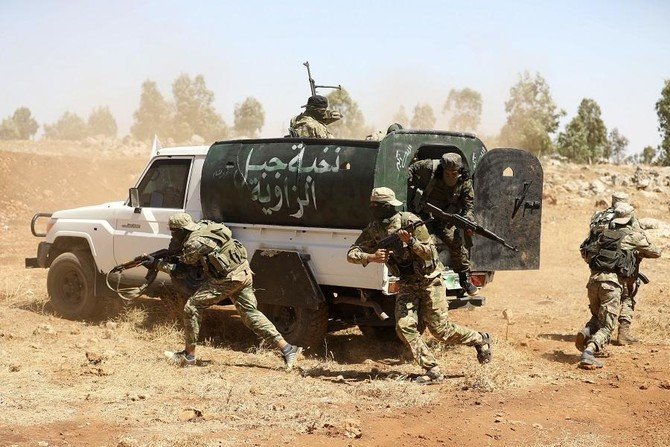
According to the report, ISIS fighters in Somalia have received specialized training from Houthi operatives in areas such as intelligence gathering, drone construction, and the deployment of explosive-equipped unmanned aerial systems.
These capabilities have played a decisive role in ISIS’s ongoing insurgency in Puntland, where the group has waged a grinding war for more than a year without decisive defeat.
Security officials say the first major sign of this partnership surfaced early in the conflict, when ISIS began deploying small, weaponized drones—far more sophisticated than anything previously documented in Somalia.
These drones have killed and injured Puntland security personnel, destroyed military vehicles, and allowed ISIS to conduct persistent surveillance over troop positions.
The report concludes that such capabilities were “beyond the technical reach of ISIS prior to direct external assistance,” indicating a structured training pipeline.
WARYATV previously uncovered indications of covert cooperation between jihadist groups such as Al-Shabaab, Al-Qaeda, ISIS, and Yemeni Houthi factions.
The Secret Maritime Corridor Linking Yemen’s Houthis to Somalia’s Militants
The new intelligence confirms that these links have evolved into a more formalized partnership—one that risks shattering regional security balances and opening new fronts in the Horn of Africa.
The strategic danger is clear: a multi-national extremist ecosystem is emerging, able to transfer technology, expertise, and battlefield tactics across borders.
Such collaborations amplify the lethality of each group individually and create a resilient network capable of adapting to military pressure.
The growing concern has reached international military leadership. AFRICOM Commander Gen. Dagvin Anderson—who recently toured Ethiopia, Somaliland, and Puntland—issued his own warning.
The United States, he said, is increasingly alarmed by the security trajectory in the Horn of Africa and views strengthened cooperation with Somali security forces as essential to countering shared threats.
General Anderson emphasized that AFRICOM intends to deepen intelligence coordination and counterterrorism support, highlighting the need for regional governments to unify against emerging hybrid militant alliances.
The confidential report’s conclusion is stark: if the Houthi–ISIS operational pipeline is not disrupted, the Horn of Africa could face the most technologically capable and internationally networked terrorist threat in its modern history.
US Deepens Security Ties with Puntland in Counter-ISIS Campaign
AFRICOM Chief Reports Surge in Islamic State Fighters in Northern Somalia