As the US hints at reducing its military aid to Ukraine, Europe faces significant hurdles in stepping up to ensure regional security.
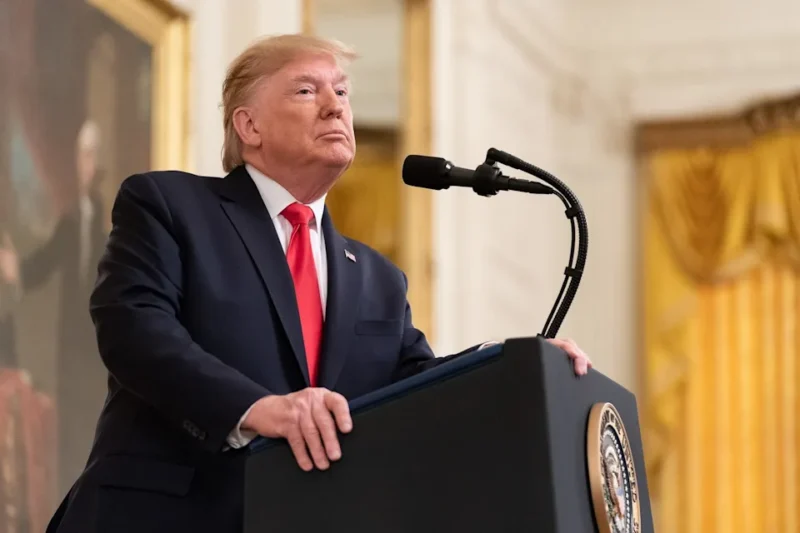
The recent declaration by Friedrich Merz, soon-to-be Germany’s Chancellor, about Europe needing an “independent” defense mechanism highlights a growing concern: the potential gap in security commitments if the U.S. scales back its support for Ukraine. This concern is exacerbated by President Donald Trump’s indication that the U.S. might reduce its military involvement in Ukraine, focusing instead on recouping costs associated with the conflict, including demanding access to Ukraine’s mineral wealth.
Experts argue that while Europe possesses substantial economic resources and includes nuclear powers like Great Britain and France, its collective military potential is fragmented. Unlike the U.S., which can make centralized decisions, Europe’s defense capabilities are dispersed across various nations, each with its own policy and political volatility. This dispersion complicates Europe’s ability to act as a unified security entity.
U.S. and European Military Contributions
The U.S. has been pivotal in supporting Ukraine with advanced military aid such as Patriot systems, ATACMS, and HIMARS, along with critical intelligence from its satellite groupings. European countries, despite their advanced weaponry, cannot fully match the comprehensive military support provided by the U.S. The potential reduction in U.S. aid is thus seen not just as a withdrawal of support but as a significant weakening of Ukraine’s defense capabilities against the ongoing Russian aggression.
Post-war reconstruction in Ukraine presents another significant challenge. Estimates suggest that rebuilding could cost between $500 billion to $2 trillion. The debate over who should bear these costs is ongoing, with some experts suggesting that Russian reparations should finance the reconstruction. However, the likelihood of a Russian government agreeing to such reparations is low, and the legal and political hurdles of using frozen Russian assets for this purpose are formidable.
European investment is expected to play a critical role in Ukraine’s rebuilding efforts, especially if a ceasefire is established and maintained by Western peacekeeping forces. However, without a massive aid initiative like the U.S. Marshall Plan for post-World War II Europe, the reconstruction process might face delays, though it is unlikely to be stagnant.
As the U.S. reevaluates its role in Ukraine, Europe is under pressure to define its stance and capabilities in ensuring regional security and leading reconstruction efforts. The shift calls for a redefinition of transatlantic relationships and responsibilities, urging European nations to potentially rethink their strategic and military postures in the face of evolving global conflicts.