The potential recognition of Somaliland by the United States represents a watershed moment for the Horn of Africa and global geopolitics. Somaliland’s stability and strategic location make it a vital player in regional and international affairs. However, introducing military bases into Somaliland risks entangling it in conflicts that could destabilize the region, contradicting the very goals of recognition. Recognition must come without the baggage of military footprints to ensure Somaliland’s sovereignty and neutrality remain intact.
The Risks of Military Footprints in Somaliland
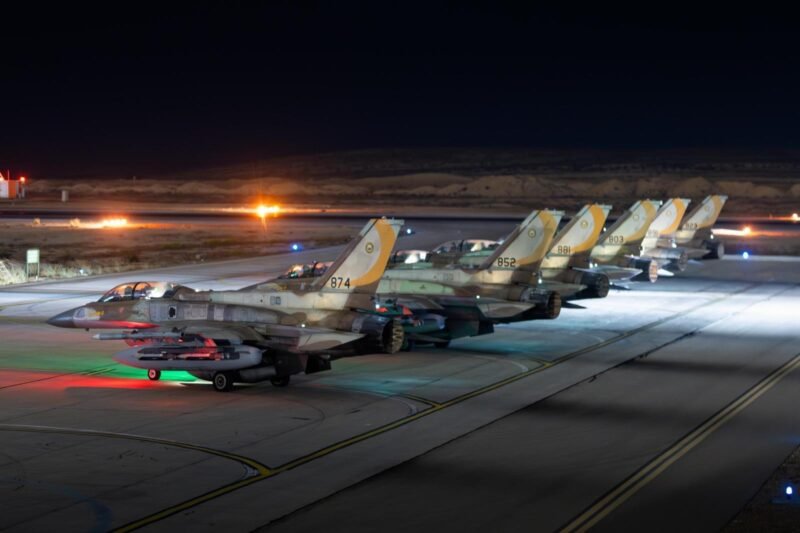
The establishment of a U.S. or allied military base in Somaliland, such as at the Berbera port, could inadvertently draw the region into ongoing conflicts, particularly the war between Iran-aligned Houthis in Yemen and the U.S.-Israel alliance. Recent years have shown the Houthis’ capability to strike far beyond Yemen’s borders, employing advanced ballistic missiles and drones against targets in Saudi Arabia, the UAE, and Israel. A military presence in Berbera would likely be viewed as an extension of U.S. and Israeli military operations, making Somaliland a potential target for retaliation.
Somaliland has no direct stake in these conflicts, and any involvement would erode its hard-won peace and stability. Becoming a battleground for proxy wars or a pawn in global rivalries would undermine its aspirations for recognition and self-determination.
History offers numerous cautionary tales of how military bases can provoke conflict. The U.S. military presence in Somalia in the early 1990s, intended to stabilize the region, culminated in the disastrous Battle of Mogadishu, further destabilizing the country. Similarly, military bases in the Middle East, such as those in Iraq and Afghanistan, often became focal points for insurgent attacks and prolonged conflicts. Somaliland, with its stable governance and strategic location, cannot afford to follow this trajectory.
Strategic Neutrality and Global Maritime Importance
Somaliland occupies a crucial position in global maritime trade, controlling access to the Gulf of Aden and the Bab-el-Mandeb Strait, a chokepoint for vessels heading to the Suez Canal. Its stability ensures safe passage for billions of dollars’ worth of goods, making it an indispensable player in global trade. Recognition of Somaliland would solidify its role as a reliable partner in ensuring maritime security, benefiting all stakeholders without necessitating military entanglements.
China and Russia have expressed interest in recognizing Somaliland without introducing military bases, focusing instead on economic partnerships and infrastructure development. Their approach underscores the potential for Somaliland to maintain a neutral stance, engaging with global powers without aligning with military blocs.
A Double Standard in U.S. Policy?
The U.S. has historically opposed military agreements that could destabilize Somaliland or the Horn of Africa. For example, Washington criticized the Memorandum of Understanding between Somaliland and Ethiopia, arguing that Ethiopian military involvement could escalate regional tensions and fuel Islamist extremism. However, the current U.S. interest in establishing a military footprint in Berbera represents a stark departure from this position, raising questions about the consistency of its policy.
Recognizing Somaliland without introducing a military presence would align with the original U.S. argument that stability in the region is paramount. By supporting Somaliland’s sovereignty and strengthening economic and political ties, the U.S. could counter Chinese and Russian influence without risking the region’s peace.
Recognition Without Conflict: The Way Forward
Recognition of Somaliland must prioritize its stability and neutrality. The introduction of military bases risks undermining both, turning Somaliland into a battleground for external conflicts. Instead, the U.S. should focus on:
- Strengthening Economic Ties: Collaborating with Somaliland on trade, infrastructure, and development projects would enhance its role as a global maritime hub and counter Chinese and Russian influence constructively.
- Supporting Governance and Security: Offering technical and financial support to Somaliland’s democratic institutions and local security forces can bolster internal stability without external military involvement.
- Facilitating Regional Cooperation: Encouraging dialogue between Somaliland and its neighbors to address shared challenges, such as maritime security and countering extremism, would position Somaliland as a leader in regional stability.
- Neutral Recognition: By recognizing Somaliland as a sovereign state without attaching military commitments, the U.S. can demonstrate respect for its sovereignty and avoid entangling it in the geopolitical struggles between East and West.
Conclusion: A Strategic Partner, Not a Battleground
Somaliland’s strategic importance in global maritime trade and its stability make it a valuable partner for the U.S. and other global powers. However, recognition must come without military footprints that risk provoking conflict. By focusing on economic partnerships, governance support, and regional cooperation, the U.S. can strengthen its position in the Horn of Africa while ensuring Somaliland’s neutrality and sovereignty remain intact.
Recognition without militarization is not only in Somaliland’s best interest but also in the interest of global stability, ensuring that the region does not become yet another theater of war in the struggle between global powers.