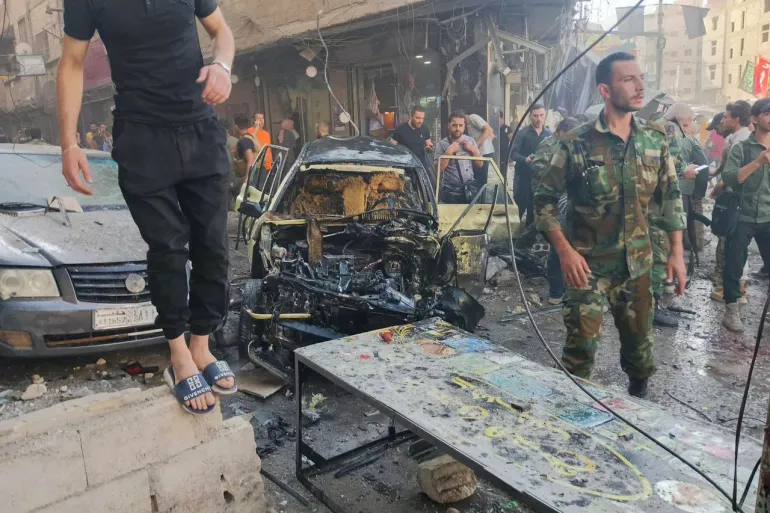
In a fierce overnight barrage of over 300 drones and missiles targeting Ukraine’s strategic port city Odesa and multiple regions, Russia escalates its offensive just days after President Trump threatened “severe” sanctions on Moscow. Ukraine’s resilient defense intercepts half the attack, but civilian casualties mount amid ongoing conflict.
Russia’s latest drone and missile salvo against Ukraine’s Odesa port and surrounding regions marks a dangerous escalation in the nearly four-year conflict — and it comes on the heels of a stark ultimatum from former President Donald Trump demanding “severe” sanctions against Moscow if it fails to halt its offensive. This surge of aggression demonstrates Moscow’s resolve to maintain pressure despite mounting diplomatic and economic threats, while also exposing the precarious balance of power in the war.
Launching over 300 drones, including nearly 200 of the infamous Shahed models, alongside dozens of missiles, Russia’s attack was met with fierce Ukrainian resistance, shooting down more than half of the aerial assault. Yet, the strikes inflicted damage on critical infrastructure, plunged thousands into darkness, and caused civilian casualties — a grim reminder of the war’s enduring human cost. The choice to hammer Odesa, a crucial Black Sea port for Ukraine’s exports, signals Moscow’s continued strategy to disrupt Ukraine’s economy and supply lines, undermining the country’s ability to sustain itself both militarily and economically.
Trump’s threat of escalating sanctions and the announcement of increased NATO-supplied weaponry to Ukraine adds an extra layer of complexity. While the United States and its allies ramp up support, they are also pushing Russia into a corner, with Moscow’s retaliatory strikes underscoring its unwillingness to back down. The tit-for-tat dynamic reveals how sanctions and military aid are intertwined in this proxy conflict, where each move sparks a fierce counterstrike.
Despite Trump’s earlier calls for a quick resolution to the conflict, his recent posture suggests a growing impatience with Putin’s defiance and a commitment to ensuring Ukraine remains militarily supported — though he insists NATO allies will bear most of the financial burden. This shift highlights the geopolitical stakes involved: the West’s willingness to deepen involvement, the limits of diplomatic solutions, and Russia’s stubborn refusal to relinquish its ambitions.
The attack also illustrates the evolving nature of warfare in the 21st century — drone swarms and missile barrages are fast becoming standard tools of sustained attrition, designed to overwhelm defenses and sow chaos. Ukraine’s ability to intercept a significant portion of the assault speaks to improved air defenses but also points to an ongoing need for advanced technology and training.
In sum, the recent barrage on Odesa is not just a military strike but a geopolitical signal. It confirms Russia’s relentless pursuit of its objectives in Ukraine despite international pressure and reveals the intricate chess game between Moscow, Washington, and NATO. For Ukraine, the road ahead remains perilous, with external support critical to its survival. For the global community, the attack is a sobering reminder that the war, far from nearing an end, may be entering an even more intense and unpredictable phase.