Strategic Forecast: Israel’s Ground Operation in Syria Marks a New Phase — What It Signals and What May Follow.
waryatv.com | Exclusive Analysis
Israel’s latest confirmed ground operation in southern Syria signals a tactical and strategic escalation that experts say could reshape the current regional balance — or at the very least, spark new responses from Iran-backed militias and proxy groups across the region.
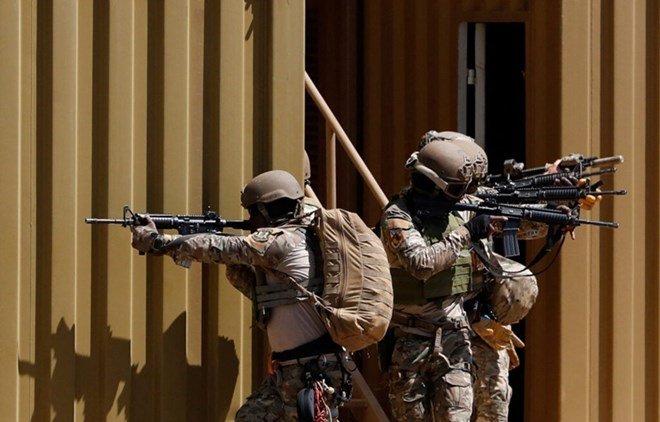
According to Israeli Defense Forces (IDF), the operation was in direct response to gunfire from “terrorists” in southern Syria. In turn, IDF troops returned fire and launched airstrikes that reportedly targeted and destroyed hostile infrastructure near Daraa and Kuwaya. Syrian media claimed four people were killed and that Israeli forces briefly advanced on the ground before encountering resistance.
While Israel has carried out hundreds of airstrikes in Syria over the past decade, its confirmation of ground operations inside Syrian territory is rare — and notable.
“This is no longer shadow war,” said a former EU military attaché in Lebanon who spoke to WARYATV on condition of anonymity. “We are now seeing calibrated but open military incursions with the message: Israel is willing to raise the stakes.”
Why Now? A Multi-Front Reality
According to Israeli security sources and confirmed by former U.S. CENTCOM analysts, the decision to go in on the ground reflects growing Israeli concerns about an expanded threat network stretching from Lebanon to Syria to Iraq. Hezbollah’s deeper entrenchment in southern Syria, combined with Iran’s efforts to transfer precision missile technology through the region, has heightened Israeli fears of a coordinated multi-front war.
“From an intelligence perspective, it’s about timing,” said Michael R., a retired CIA Middle East analyst. “Israel likely detected weapons or personnel movements that crossed their red lines, prompting not just airstrikes, but a need to put boots on the ground to verify, seize intel, or destroy targets directly.”
Former Israeli intelligence officer Yossi K. added that while the operation was short, it was designed to demonstrate capability: “It’s as much about deterrence as it is about degradation. If you can show you’re willing to physically cross the border, you signal to Iran and Syria that the status quo is no longer tolerable.”
Implications for Syria and Iran
Damascus has condemned the operation but is unlikely to respond directly. Instead, analysts believe Iran may task its allied militias — particularly those in southern Syria and the Iraqi border area — with retaliatory actions. Already, some pro-Iranian media outlets have called the operation an act of war.
A former EU intelligence officer based in Brussels told WARYATV, “What we’re watching is not a sudden change, but an escalation of an already intensifying campaign. Israel is shifting its policy from indirect containment to limited offensive disruption.”
He added: “The Iranians will test this. They may not respond immediately, but they rarely allow direct Israeli incursions to pass without attempting a message of their own.”
Red Sea and Gaza Ties
Several Western analysts noted that the timing also aligns with increasing Israeli military action in the Red Sea corridor and against Houthi-linked targets, amid growing fears of a broader Axis of Resistance alignment. There is also speculation that the Syria operation could help relieve pressure from the Gaza front — drawing enemy resources and attention elsewhere.
“It’s classic diversion through escalation,” one European security source said. “If the north heats up, some actors aligned with Hamas could be redirected to a northern theater.”
What Comes Next?
While the IDF has not confirmed further ground missions, all signs suggest this was not a one-off.
“What we are seeing is the start of a new phase: Israel is laying the groundwork for a more kinetic approach in Syria, possibly even clearing corridors for deeper strikes or emergency deterrent missions in the event of northern escalation,” said an Israeli defense strategist now advising a think tank in London.
WARYATV’s sources also noted that civilian evacuations in southern Syria signal anticipation of further activity.
Strategic Forecast
- Israel is moving into a posture of “active forward deterrence” beyond its borders.
- Iran is unlikely to respond directly, but will lean on militias and proxy cells.
- Syria will likely remain passive but coordinate with Iran on information-sharing.
- Hezbollah and the IRGC may test Israeli lines elsewhere — especially in Golan, the Lebanon border, or via Iraqi militias.
- Expect increased Israeli air and limited ground operations in Syria through spring 2025.
This shift, while still short of full-scale war, places the region on a tighter wire.
Exclusive for waryatv.com.