
Russia-Ukraine War
Russian General Hospitalized After Shooting in Moscow

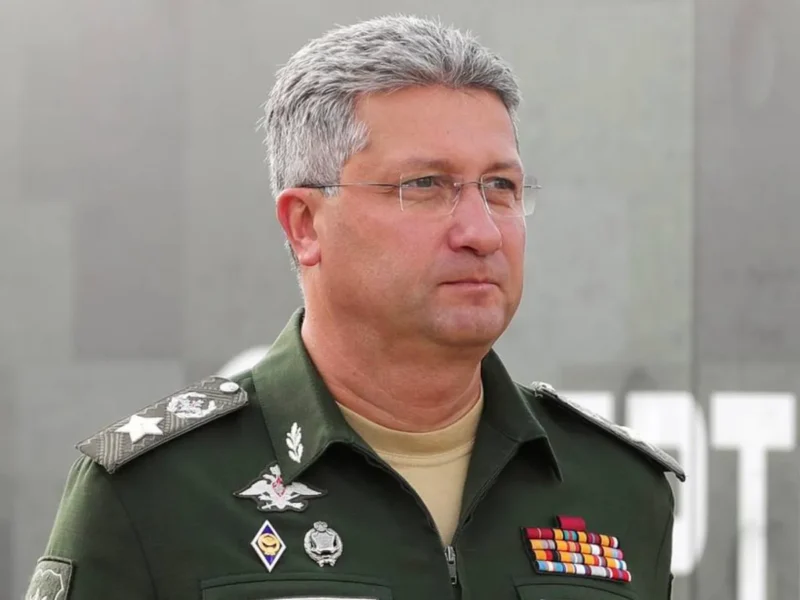
MOSCOW — A senior Russian military intelligence official was hospitalized Friday after being shot outside an apartment building in Moscow, authorities said.
Russia’s Investigative Committee said Vladimir Alekseyev, deputy chief of Russia’s military intelligence agency (GRU), was targeted when an unidentified assailant fired several shots at him. The incident occurred near his residence, according to a statement by committee spokesperson Svetlana Petrenko.
Officials did not immediately disclose Alekseyev’s medical condition or provide details on the suspect or motive. An investigation is under way.
Alekseyev has served as deputy head of Russian military intelligence since 2011 and previously oversaw intelligence operations during Russia’s intervention in the Syrian civil war.
The shooting adds to a series of attacks on senior Russian military figures since the start of the war in Ukraine. In December, Lieutenant General Fanil Sarvarov was killed by a bomb planted under his car. In April 2025, Lt. Gen. Yaroslav Moskalik died in a car bombing near his apartment outside Moscow.
Russian authorities have frequently blamed Ukraine for such attacks. In some cases, Ukrainian military intelligence has publicly claimed responsibility, including the December 2024 killing of Igor Kirillov, head of the Russian army’s chemical weapons division, who was killed by a bomb hidden on an electric scooter outside his home.
Friday’s attack is likely to intensify security concerns within Russia’s military and intelligence leadership as the conflict with Ukraine continues.











After years of war, both sides are finally talking seriously. But peace still comes with a price.
Ukraine and Russia are showing tentative signs of moving toward a potential peace agreement, even as major obstacles—especially over territory—remain unresolved.
A senior aide to Volodymyr Zelenskyy indicated that negotiations have reached a more realistic phase, with both sides beginning to recognize the limits of what they can achieve on the battlefield and at the negotiating table.
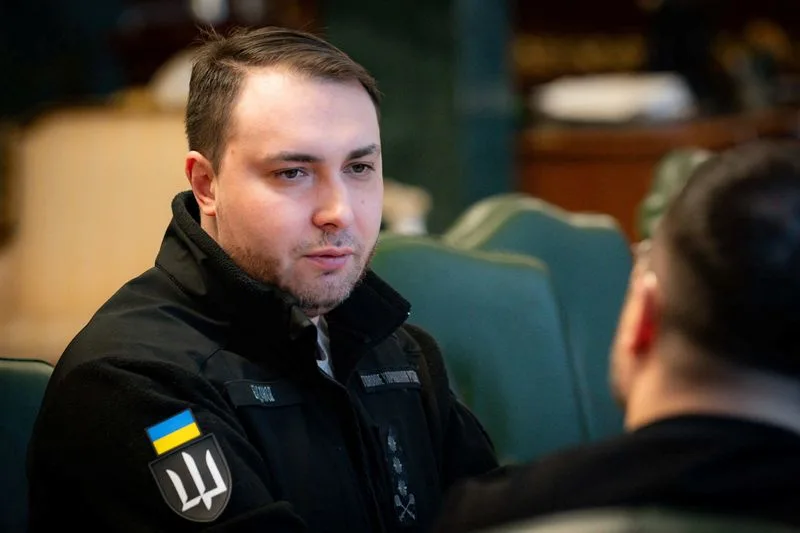
Kyrylo Budanov, a key figure in Kyiv’s negotiating team, said progress has been made in narrowing expectations, though no final decisions have been reached. “Everyone now clearly understands the limits of what is acceptable,” he said, describing the shift as “enormous progress.”
The remarks come as Moscow and Kyiv observe a temporary Easter ceasefire announced by Vladimir Putin and reciprocated by Ukraine. The 32-hour pause offers a brief window of reduced fighting, though previous short-term truces have failed to translate into lasting agreements.
So far, the most tangible outcome of ongoing talks has been humanitarian. Both sides have carried out prisoner exchanges, including a recent swap of 500 detainees, with further exchanges expected.
Yet the central dispute—territory—remains deeply contentious. Russia continues to demand that Ukraine withdraw from parts of the Donbas region still under Kyiv’s control, a condition Ukraine has firmly rejected.
Despite these differences, the tone of negotiations appears to be shifting. Budanov suggested that while both sides still hold “maximalist” positions publicly, there is a growing recognition that compromise will be necessary to end the war.
International dynamics may also be influencing the process. With global attention partly diverted by the U.S.-Iran conflict, Ukrainian officials have hinted at the possibility of renewed trilateral talks involving external mediators.
Still, the road to peace remains uncertain. Ukrainian leadership has warned that the coming months will be difficult, with continued military pressure and increasing diplomatic urgency to reach a settlement.
For now, the cautious optimism reflects not a breakthrough—but a subtle shift: from entrenched positions toward the first outlines of what a negotiated end to the war might look like.
Ukraine isn’t just fighting Russia—it’s now helping defend the Gulf from Iranian drones.
Ukrainian forces have quietly expanded their role beyond Europe, assisting Gulf states in intercepting Iranian drone attacks during the recent regional conflict, according to Volodymyr Zelenskyy.
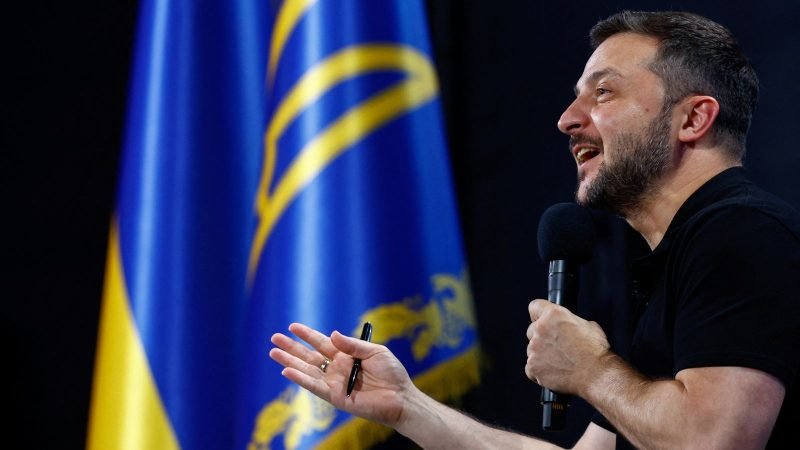
In remarks released Friday, Zelensky confirmed that Ukrainian personnel helped destroy Iranian-made “Shahed” drones across multiple countries in the Gulf. “Did we destroy them? Yes. Did we do it in just one country? No, in several,” he said, describing the operations as a success.
The involvement reflects a growing military partnership between Kyiv and key Gulf allies, including Saudi Arabia, Qatar, and the United Arab Emirates. Ukrainian military experts were deployed to the region during the Iran conflict, where they provided technical support and training on drone interception systems.
Ukraine’s expertise stems from its own battlefield experience. Since Russia’s full-scale invasion, Kyiv has faced sustained attacks using Iranian-designed Shahed drones, developing countermeasures that are now being adapted for use in the Middle East.
Zelensky said formal agreements have been signed with several Gulf states to deepen this cooperation. Under the arrangements, Ukrainian companies will work with local armed forces to protect critical infrastructure, particularly energy facilities targeted during the conflict.
In return, Ukraine is expected to receive strategic support, including air defense ammunition and energy supplies such as crude oil and diesel—resources critical to sustaining its own war effort at home.
Discussions are also underway to expand similar agreements to Oman, Kuwait, and Bahrain, signaling a broader regional alignment.
The development underscores how the Iran war is reshaping global military cooperation. What began as a regional conflict has increasingly drawn in external actors, linking security dynamics in the Middle East with those in Eastern Europe.
For Ukraine, the engagement offers both strategic leverage and practical benefits. For Gulf states, it provides access to combat-tested expertise against a threat that has become central to modern warfare.
The result is a new layer of international coordination—one that reflects the growing overlap between regional conflicts in an increasingly interconnected security landscape.
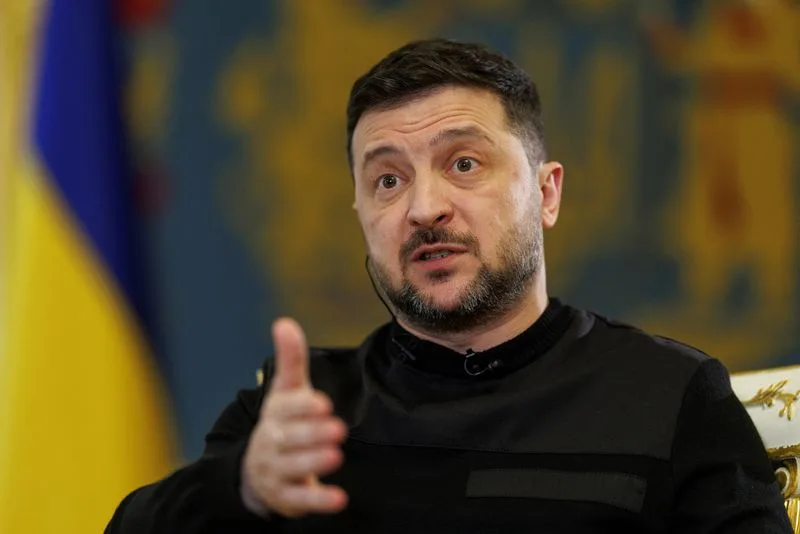
Ukraine says Russia is helping Iran target U.S. bases—and Washington is looking the other way.
Ukrainian President Volodymyr Zelenskyy has issued one of his sharpest warnings yet to Washington: that Russia is actively assisting Iran’s military operations—and the United States is failing to respond.
Speaking on a political podcast, Zelenskyy said Kyiv had presented evidence that Vladimir Putin’s government used military satellites to map critical infrastructure across the Middle East, including Gulf energy facilities, Israeli targets, and U.S. military bases. According to Zelenskyy, this intelligence was then shared with Tehran to support its strikes.
His frustration is directed not only at Moscow, but at Washington. The core of his argument is blunt: the U.S. is underestimating Russia—and overestimating its ability to trust Putin.
“The problem is they trust Putin,” Zelenskyy said, questioning why there had been no visible U.S. response to what he described as direct Russian involvement.
The claim, if substantiated, would significantly deepen the geopolitical stakes of the Iran conflict—transforming it from a regional confrontation into a broader axis of coordination between Moscow and Tehran.
Zelenskyy’s criticism extends to the inner circle of Donald Trump. He argued that key figures, including envoys Steve Witkoff and Jared Kushner, have spent more time engaging with Russian leadership than understanding Ukraine’s position. In his view, this imbalance has led to a misreading of Russia’s long-term intentions.
At the center of that concern is a familiar warning: that concessions will not end the conflict. Zelenskyy insists that even if Ukraine were to cede territory in the Donbas region, Russia would push further—targeting major cities such as Dnipro and Kharkiv.
His remarks come at a moment of widening uncertainty in transatlantic relations. U.S. pressure on Ukraine to consider territorial concessions, combined with signals about a potential reduction in NATO commitments, has raised alarm in Kyiv and across Europe.
Zelenskyy is now advocating for a broader security architecture—one that extends beyond the United States. He envisions closer military coordination between the European Union, Ukraine, the United Kingdom, Turkey, and Norway, arguing that such a coalition could provide a more reliable deterrent against Russian expansion.
The warning is clear: the battlefield is no longer confined to Ukraine—or even to Eastern Europe.
If Russia is indeed aligning more closely with Iran in the Middle East, the conflict is evolving into a multi-theater challenge—one that tests not just military strength, but strategic judgment.
And Zelenskyy’s message to Washington is unmistakable: misreading Putin now could carry consequences far beyond Ukraine.
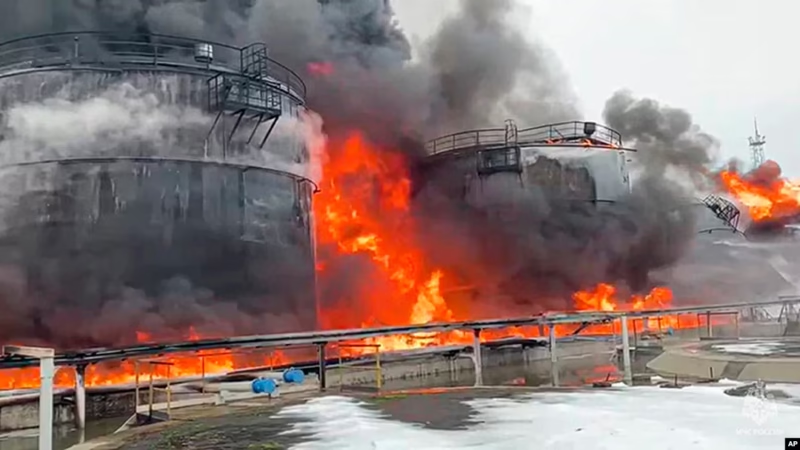
Ukraine Hits Hard, Russia Gains More? The War Behind the War Is Taking Shape.
Ukraine is striking Russia’s oil. But global forces may be tilting the balance the other way.
KYIV — Ukraine has stepped up long-range drone strikes on Russian oil infrastructure, targeting export hubs and refineries, even as President Volodymyr Zelenskyy warns that the broader geopolitical environment is increasingly working in Moscow’s favor.
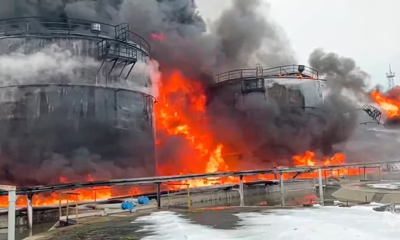
Overnight attacks hit the Sheskharis oil terminal at Novorossiysk, a key Black Sea export point, with video footage showing a large fire at the site. Additional strikes were reported at facilities in Leningrad and Nizhny Novgorod regions, including infrastructure tied to Lukoil operations.
The Institute for the Study of War said Ukraine has intensified its focus on oil export infrastructure in recent weeks, targeting nodes critical to Russia’s ability to sustain revenue flows.
Russian authorities said air defenses intercepted 148 Ukrainian drones in a short time span and confirmed damage in several regions, including casualties in Belgorod and structural damage in Novorossiysk. Military-linked commentators in Russia acknowledged that the strikes are creating mounting repair challenges, noting that sanctions are complicating access to equipment and slowing recovery timelines.
At the same time, Russian forces continued strikes on Ukrainian cities. In Odesa, an attack killed three civilians, including a child, while additional strikes targeted infrastructure across multiple regions. Power outages were reported in both Ukrainian-held and Russian-occupied areas, underscoring the increasingly reciprocal nature of infrastructure warfare.
Zelenskyy, speaking during a visit to Istanbul as part of a Middle East tour, said the war involving Iran is reshaping the strategic context in ways that benefit Russia. Rising oil prices linked to disruptions in the Strait of Hormuz are increasing Moscow’s energy revenues, offsetting some of the economic pressure created by Ukrainian strikes. He also pointed to shifting U.S. priorities, warning that prolonged conflict in the Middle East could reduce Western support for Ukraine, particularly in air defense systems.
Ukraine is attempting to adapt by expanding its external partnerships. Officials have offered drone and maritime security capabilities to Gulf countries facing Iranian threats, while seeking additional defensive support in return.
Kyiv has also positioned itself as a potential contributor to safeguarding global shipping routes, drawing on its experience maintaining maritime corridors in the Black Sea.
The dynamic highlights a growing contradiction. Ukraine is increasing pressure on Russia’s energy sector with more precise and frequent strikes, yet external market forces are reinforcing the very revenue streams those operations are designed to disrupt.
The result is a conflict shaped not only by battlefield developments but by global economic and strategic currents. Ukraine’s operational reach is expanding, but the broader environment in which it is fighting is becoming more complex and, in some respects, less favorable.
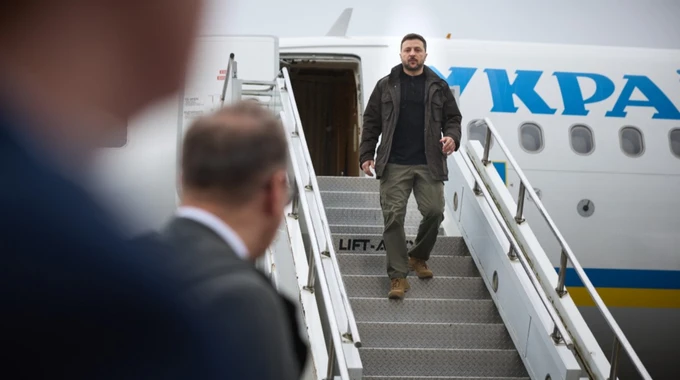
Peace talks in Istanbul. Drone strikes across Ukraine and Russia. The war is negotiating—but still escalating.
ISTANBUL — As Volodymyr Zelenskyy arrived in Turkey for high-level talks with Recep Tayyip Erdogan, Russia and Ukraine were already sending a different message overnight—through waves of drones, missiles, and mounting casualties.
At least 10 people were killed and dozens injured in strikes across both countries, underscoring a now-familiar dynamic: negotiations resume just as the war intensifies.
Ukraine’s air force said Russia launched 286 drones in one of the largest barrages in recent weeks, with 260 intercepted. Even so, several strikes got through. In the Dnipropetrovsk region, five civilians were killed in Nikopol and 19 wounded. In Sumy, near the Russian border, attacks hit residential areas, injuring 11. A separate strike in Kyiv ignited a fire in a commercial building.
Russia, for its part, reported civilian casualties and infrastructure damage from Ukrainian attacks. In the Rostov region, one person was killed and four injured after a strike triggered fires at a logistics facility and a nearby vessel. Authorities in Samara said another attack damaged residential buildings and injured one person. In the Russian-controlled Luhansk region, officials said a Ukrainian strike killed a family of three, including a child.
Moscow said it intercepted 85 Ukrainian drones across multiple regions, including Crimea and the Black Sea.
Both sides are increasingly targeting infrastructure tied to the war effort. Ukraine’s security service said it struck a metallurgical plant in Alchevsk, a facility linked to Russia’s military supply chain, though the claim could not be independently verified. Russia said its own strikes focused on Ukrainian military-industrial and energy assets.
The escalation comes as Zelenskyy meets Erdogan in Istanbul, where Turkey continues to position itself as a mediator. The Ukrainian leader is also expected to meet Bartholomew I of Constantinople, adding symbolic weight to the visit.
Yet the gap between diplomacy and battlefield reality appears to be widening.
Talks are restarting, but neither side is signaling a willingness to scale back military pressure. Instead, the conflict is evolving into a war of sustained attrition, driven by drone warfare, infrastructure strikes, and incremental gains.
The paradox is stark: negotiations are active, but escalation is accelerating. And for now, the battlefield—not the negotiating table—continues to set the pace.
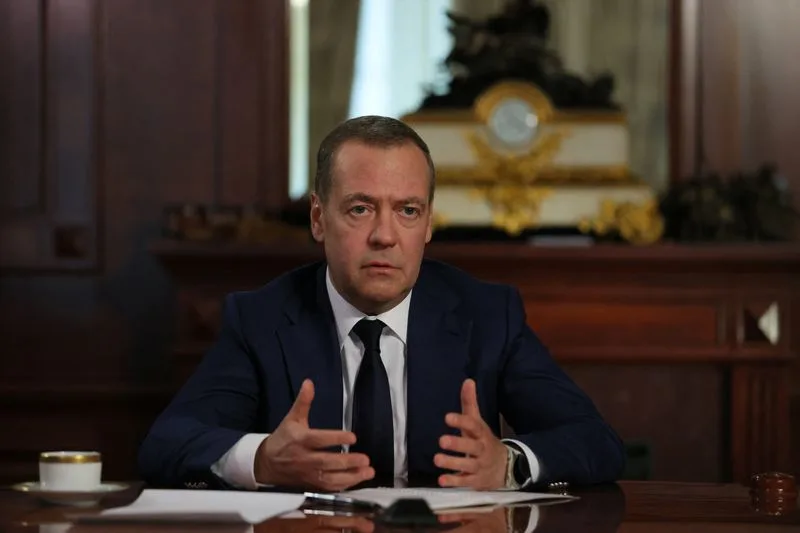
Medvedev Urges Harder Russian Stance on Ukraine’s EU Bid, Warns of “Military Alliance”.
MOSCOW — A senior Russian official has called for a tougher stance against Ukraine’s bid to join the European Union, warning that the bloc is evolving into a military force hostile to Moscow.
Dmitry Medvedev said Friday that Russia should abandon what he described as a “tolerant attitude” toward neighboring countries seeking closer ties with the EU.
“The EU is no longer just an economic union,” Medvedev said. “It can transform, and rather quickly, into a full-blown military alliance … in some ways worse than NATO.”
His remarks reflect growing concern in Moscow that the European Union is deepening its security role alongside the NATO, particularly as the war in Ukraine continues to reshape Europe’s defense posture.
Russia has long opposed Ukraine’s integration into Western institutions, viewing it as a threat to its strategic interests. Medvedev’s comments suggest a shift toward a more explicit policy of resistance as Kyiv pursues closer alignment with European structures.
At the same time, he said he did not expect the United States to withdraw from NATO, though he suggested Washington could make symbolic adjustments, such as reducing troop deployments in Europe.
Medvedev also pointed to internal divisions within NATO, arguing they could accelerate the EU’s transformation beyond an economic bloc into a more comprehensive political and military entity.
The comments come amid continued tensions between Russia and Western countries over Ukraine’s future alignment, with European leaders increasingly linking economic integration with security cooperation.
Victory or Narrative? Russia Claims Full Control of Luhansk as Ukraine Disputes Gains Ahead of U.S.-Led Talks.
On the eastern front, the lines have barely shifted—but the claims have.
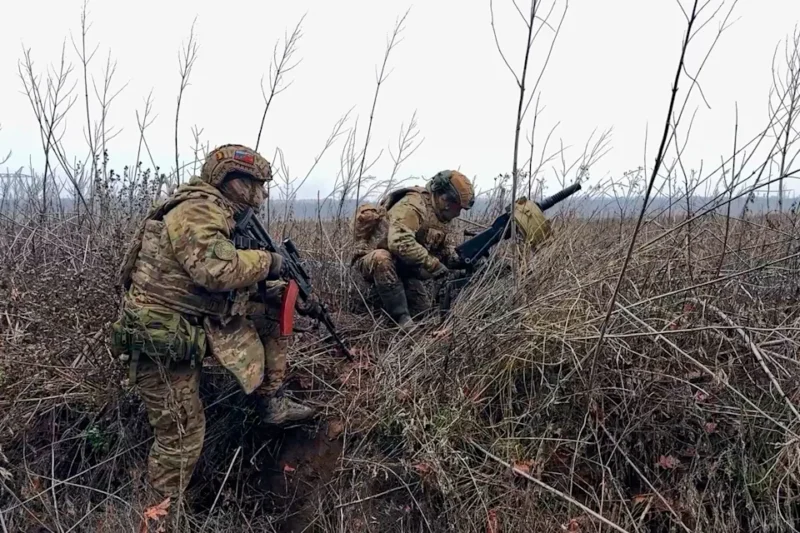
Russia’s Defense Ministry announced it had secured full control of Ukraine’s Luhansk region, declaring what it called the “completion” of its campaign there. For Moscow, the statement signals a milestone in a war now entering its fifth year.
Kyiv says otherwise.
A Ukrainian military spokesperson, Viktor Trehubov, dismissed the claim, noting that Ukrainian forces still hold limited positions in the region and that there have been no decisive changes on the ground. The discrepancy underscores a familiar pattern in the conflict: battlefield reality and political messaging often move on separate tracks.
By the third layer of this moment, the timing is as important as the claim itself. Volodymyr Zelenskyy is preparing for talks with U.S. envoys, including Steve Witkoff and Jared Kushner, as Washington explores renewed efforts to break a diplomatic deadlock.
In that context, declarations of territorial control serve a strategic purpose. If Russia can frame the outcome as inevitable, it strengthens its negotiating position. Ukraine, by contesting those claims, seeks to preserve leverage and demonstrate that the front remains contested.
The facts on the ground remain difficult to verify independently. Russia annexed Luhansk and three other regions—Donetsk, Kherson, and Zaporizhzhia—in 2022, but has never fully consolidated control. Even Russian President Vladimir Putin acknowledged last year that small portions of Luhansk remained outside Moscow’s grasp.
Meanwhile, the fighting continues.
Ukrainian officials describe the frontline as tense, with Russian forces intensifying their assaults. At the same time, analysts at the Institute for the Study of War suggest Ukrainian tactics are slowing advances by Russia’s larger military, pointing to localized gains in recent months.
Beyond the battlefield, the human cost is mounting. More than 15,000 civilians have been killed since the invasion began, according to the United Nations. Drone attacks continue to strike deep into Ukrainian territory, hitting infrastructure and residential areas, even as Ukraine reports intercepting hundreds of incoming drones in a single night.
There are broader strategic overlaps as well. Ukraine is now leveraging its drone warfare experience to deepen ties with Gulf states facing Iranian threats, signaling how conflicts are increasingly interconnected across regions.
Still, the core issue remains unresolved.
Russia insists that Ukrainian forces must withdraw entirely from the annexed regions as a precondition for peace. Ukraine has rejected that demand outright. That gap—territory versus sovereignty—continues to block meaningful progress in negotiations.
The claim over Luhansk, then, is less a conclusion than a signal.
It reflects a war where perception is part of the strategy, where announcements shape diplomacy, and where control is measured not just in territory held, but in narratives advanced.
As talks resume, the question is not only what is happening on the ground—but which version of reality will carry weight at the negotiating table.
And in a conflict defined by endurance, that distinction may prove as consequential as any battlefield gain.
Drones were supposed to change everything. They did—but not in the way armies expected.
The search for a decisive weapon—one that ends wars quickly and cheaply—has shaped military thinking for centuries. From gunpowder to nuclear arms, each technological leap promised a shortcut to victory.
Yet one month into the war involving Iran, a familiar reality is reasserting itself: new weapons rarely deliver clean endings. Instead, they reshape the battlefield—and often prolong the fight.
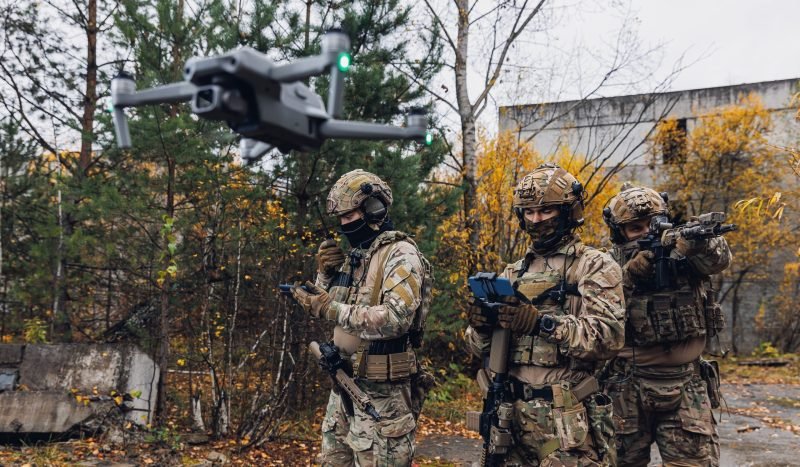
Drones are the latest example of this paradox. Their appeal is obvious. They are relatively cheap, widely accessible and capable of delivering both surveillance and precision strikes in real time.
In conflicts like the war in Ukraine, and now across the Middle East, unmanned systems have become central to military operations. They allow weaker actors to punch above their weight, while enabling stronger powers to extend their reach without risking pilots or expensive platforms.
But this “democratization” of firepower carries a cost. Because drones are affordable and easy to produce—even with off-the-shelf components—they lower the threshold for sustained conflict.
A single cruise missile can cost millions; a loitering drone may cost tens of thousands. The result is not decisive victory, but endurance warfare—where both sides can keep fighting longer than expected.
Iran has embraced this logic. Despite heavy airstrikes, it continues to deploy waves of drones across the region, targeting infrastructure and threatening maritime routes like the Strait of Hormuz.
These systems may lack the sophistication of advanced missiles, but they compensate with volume, flexibility and psychological impact. The constant presence of drones—often heard before they are seen—creates a persistent climate of fear among civilian populations.
This psychological dimension is as important as the physical damage. Warfare is no longer confined to front lines; it is experienced in cities, ports and even digital spaces. The line between military and civilian targets becomes increasingly blurred, amplifying both disruption and uncertainty.
Yet drones are not a magic solution. Their rise has exposed a deeper imbalance: defending against cheap weapons is often far more expensive than deploying them. Interceptors, radar systems and advanced defenses strain resources, creating an unsustainable equation.
As former U.S. commander David Petraeus has argued, no military can indefinitely counter low-cost threats with high-cost responses.
The next phase is already taking shape. Militaries are racing to develop cheaper countermeasures—electronic jamming, laser defenses and AI-driven detection systems. But history suggests this cycle will continue: innovation followed by adaptation, advantage followed by erosion.
What emerges is a sobering conclusion. Technology changes how wars are fought, but not the fundamental nature of war itself. There is no single breakthrough that guarantees victory. Instead, each new tool expands the battlefield, deepens the complexity and often extends the conflict.
The age of drones has arrived. But rather than ending wars, it is making them harder to finish—and easier to sustain.

Most Americans Think Iran Ceasefire Won’t Last

Ukraine and Russia Edge Toward Possible Peace Deal

Iran Says US Failed to Build Trust in Islamabad Talks


-
 Red Sea6 days ago
Houthis Threaten to Shut Red Sea if War Widens
-

 Terrorism2 weeks ago
Egypt Uncovers Alleged Plan to Down Presidential Plane
-
 Top stories5 days ago
Kremlin Claims EU Is Working Against Orbán
-
 Top stories1 week ago
IRGC Moves to Control Iran’s Future
-
 Top stories2 weeks ago
Saudi Arabia Deepens Defense Ties with Ukraine
-

 US-Israel war on Iran4 days ago
Israel’s War Goals Unmet as U.S.-Iran Ceasefire Shifts Conflict Dynamics
-
 Top stories2 weeks ago
France Leads Talks With 35 Nations to Secure Strait of Hormuz
-
 US-Israel war on Iran1 week ago
Iran Warns UN Against Hormuz Resolution