From oil to arms—Saudi Arabia quietly expands its global defense footprint with Ukraine.
In a move that underscores shifting global security alignments, Saudi Arabia and Ukraine signed a defense procurement agreement on Friday, formalizing cooperation in military equipment and services.
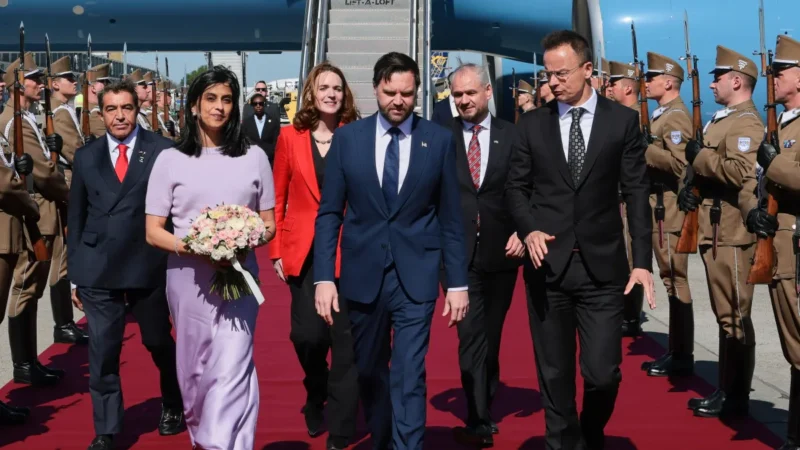
The memorandum of understanding, signed in Jeddah, brings together senior defense officials from both countries.
Saudi Arabia was represented by Khalid Al-Bayari, assistant minister of defense for executive affairs, while Ukraine’s delegation was led by Andriy Hinatov, chief of the general staff.
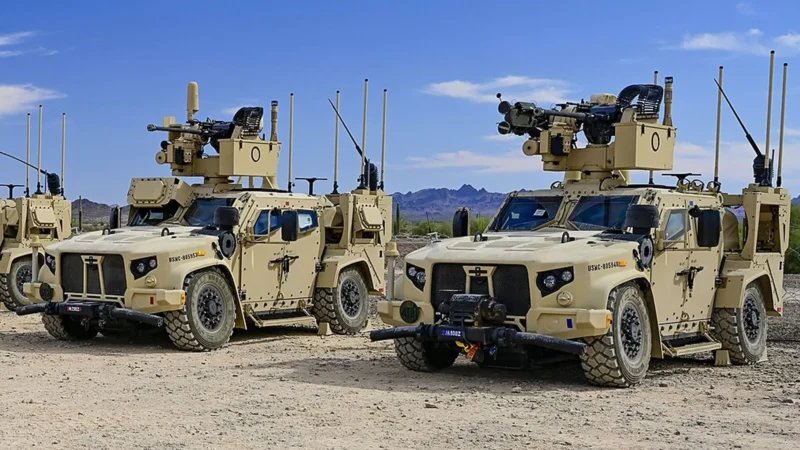
According to the Saudi Press Agency, the agreement focuses on strengthening collaboration in the acquisition of military equipment and related services—an area of growing importance as both countries navigate evolving security challenges.
The timing of the deal is significant.
For Saudi Arabia, it reflects a broader strategy to diversify defense partnerships beyond traditional Western suppliers while building domestic capabilities under its long-term modernization agenda.
Riyadh has increasingly positioned itself as both a buyer and an emerging player in the global defense ecosystem.
For Ukraine, the agreement comes amid continued conflict with Russia, where securing diversified supply channels and international defense cooperation remains critical. Partnerships like this offer Kyiv not only material support but also political reinforcement from influential regional actors.
The deal also hints at a deeper geopolitical recalibration.
Saudi Arabia has maintained a delicate balancing act—strengthening ties with Western allies, engaging China and Russia economically, and now expanding defense links with Ukraine. This multi-vector approach allows Riyadh to hedge against uncertainty while enhancing its strategic autonomy.
At the same time, Ukraine’s outreach to Gulf states signals an effort to broaden its diplomatic and military support base beyond Europe and North America.
While the agreement’s operational details remain limited, its implications are clear: defense cooperation is becoming increasingly global, fluid, and interconnected.
In a world shaped by overlapping conflicts—from Eastern Europe to the Middle East—partnerships like this are no longer peripheral. They are part of a wider contest to secure influence, resilience, and long-term strategic advantage.