China helped pause the war—now it must decide how far to go. Peace, power, or profit?
China is recalibrating its strategy in the Middle East as a fragile ceasefire between the United States and Iran holds, with Beijing weighing how deeply to engage in shaping a longer-term settlement.
Officials and diplomats say China played a quiet but significant role in encouraging Iran to accept the temporary truce, using its economic leverage as Tehran’s largest oil customer. That involvement has elevated Beijing’s diplomatic profile at a critical moment in the conflict.
The next phase, however, is more complex.
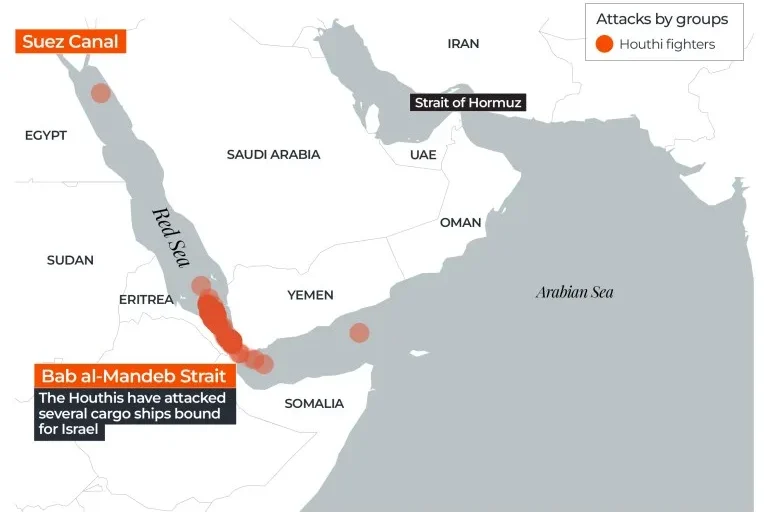
China’s primary concern remains the Strait of Hormuz, where disruptions have threatened global energy flows and placed pressure on Asian economies. With roughly 20 percent of global oil passing through the strait, prolonged instability directly impacts Chinese growth, already under strain from slowing domestic conditions.
Chinese officials have publicly emphasized diplomacy, with foreign ministry spokesperson Mao Ning stating Beijing is working to help end the conflict. Behind the scenes, diplomats say China is urging restraint from all sides while avoiding commitments that could draw it into direct confrontation.
That caution reflects competing priorities.
Beijing relies heavily on Iranian oil but also maintains strong ties with Gulf states such as Saudi Arabia and the United Arab Emirates. Preserving those relationships—while protecting energy supply routes—has become central to its calculations.
At the same time, China is reluctant to provide the type of long-term security guarantees Iran has sought. Tehran has pushed for backing from major powers, including China and Russia, but officials in Beijing have so far limited their position to supporting dialogue rather than formal commitments.
The issue is expected to surface in upcoming talks between Donald Trump and Xi Jinping, scheduled for next month. Analysts say China’s role in facilitating the ceasefire could give it leverage in broader negotiations, including trade and sanctions.
Some observers argue Beijing is positioning itself as a stabilizing force, contrasting its approach with Washington’s more confrontational strategy. Others caution that China’s involvement is driven primarily by economic interests rather than a broader commitment to conflict resolution.
For now, China appears to be adopting a wait-and-see approach—supporting the ceasefire, protecting its energy interests, and avoiding deeper entanglement.
But as negotiations progress, its choices could prove decisive.
Whether Beijing steps forward as a guarantor of peace—or remains a cautious stakeholder—may shape not only the outcome of the Iran talks, but the balance of power in the region beyond them.