The world is watching Islamabad. One fragile ceasefire—three explosive disputes—zero room for failure.
The Pakistani capital has become the unlikely center of global diplomacy as high-stakes negotiations between the United States and Iran unfold under the shadow of a fragile ceasefire that could collapse at any moment.
For Pakistan, hosting the talks is both an opportunity and a risk. After weeks of outreach led by Shehbaz Sharif, Islamabad has positioned itself as a rare bridge between Washington, Tehran, Gulf capitals, and Beijing. But the stakes are immense: failure could damage its credibility, while even limited progress could restore its relevance on the global stage.
Security across the capital reflects that tension. The diplomatic zone has been effectively sealed, with layered checkpoints, fortified perimeters, and heightened surveillance. The message is clear—this is not routine diplomacy. It is crisis management at the highest level.
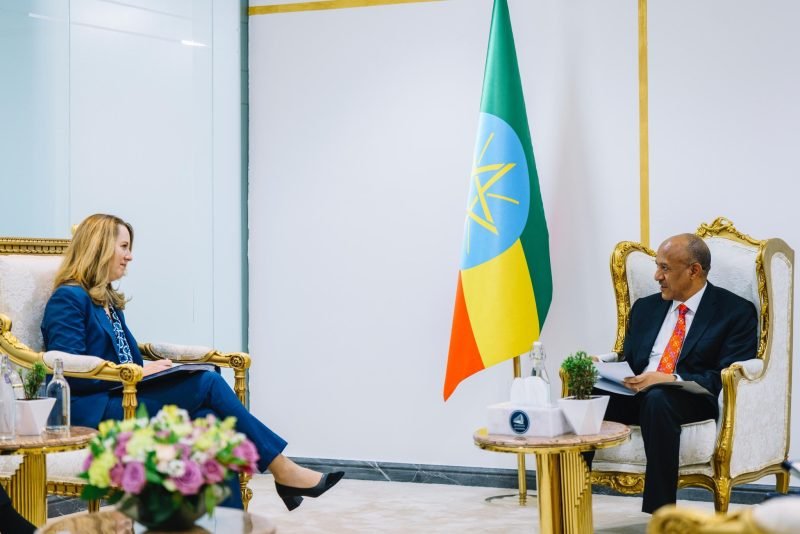
At the negotiating table, however, the challenges are far more complex than logistics. The talks bring together delegations led by JD Vance and senior Iranian officials, but decades of mistrust continue to shape every exchange. Even the format—largely indirect, with mediators shuttling between rooms—underscores how fragile the engagement remains.
Three core disputes define the battlefield of diplomacy.
First is the Strait of Hormuz. Washington demands full and immediate reopening of the waterway, a critical artery for global energy. Tehran, by contrast, sees Hormuz as leverage—seeking to maintain influence, potentially through regulated access or toll systems. The outcome will directly shape global oil markets and economic stability.
Second is sanctions relief. Iran insists that any lasting deal must include the lifting of economic restrictions that have crippled its economy. The United States has shown little willingness to concede, wary of granting Tehran financial breathing space without enforceable limits on its nuclear and missile programs.
Third—and increasingly volatile—is Lebanon. Iran argues the ceasefire must apply across all fronts, including Israeli operations against Hezbollah. The U.S. and Israel reject that interpretation, treating Lebanon as a separate theater. This disagreement alone has the potential to derail the entire process.
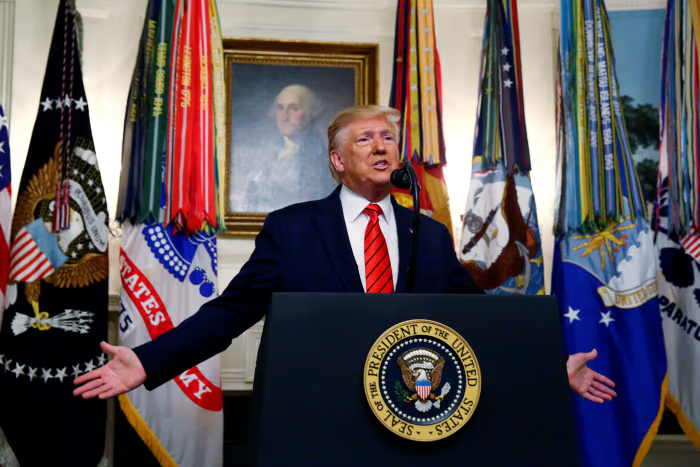
Overlaying these disputes is a deeper strategic question: what does each side actually want? The Trump administration appears focused on immediate objectives—reopening Hormuz, containing escalation, and avoiding a prolonged war. Tehran, meanwhile, is negotiating from a position shaped by survival—seeking recognition, economic relief, and long-term deterrence.
External actors are quietly shaping the process. Gulf states, particularly Saudi Arabia, are pressing for guarantees that their security concerns will not be sidelined again. China, heavily dependent on Gulf energy, has encouraged de-escalation while avoiding direct entanglement. European leaders are pushing for stability but lack leverage.
Time is the most unforgiving constraint. The ceasefire expires within days, leaving negotiators with a narrow window to produce at least a framework for continued dialogue. A comprehensive deal remains unlikely in the short term. The more realistic objective is a managed extension—buying time while preventing a return to open conflict.
The risk, however, is that even this limited goal proves elusive. Continued Israeli strikes in Lebanon, disputes over maritime access, or renewed military incidents could unravel the fragile pause before any agreement is reached.
What is unfolding in Islamabad is not a peace conference in the traditional sense. It is a high-pressure effort to stabilize a conflict that has already reshaped regional dynamics and shaken global markets.
In that sense, success may not be measured by a final deal—but by whether the talks prevent the next escalation.