Kremlin Warns Middle East ‘On Fire’ as Trump Escalates Threats Against Iran.
The war is spreading. The rhetoric is escalating. And Russia says the entire region is already burning.
MOSCOW — The Kremlin warned that the Middle East is “on fire” as tensions escalate in the war involving Iran, following renewed threats from Donald Trump to strike critical infrastructure if the Strait of Hormuz remains closed.
Kremlin spokesman Dmitry Peskov said the conflict is expanding both geographically and economically, describing the situation as increasingly volatile with global consequences. He declined to directly address Trump’s remarks but acknowledged that Moscow is closely monitoring developments.
“The level of tension in the region is growing and continues to grow,” Peskov said. “In fact, the entire region is on fire.”
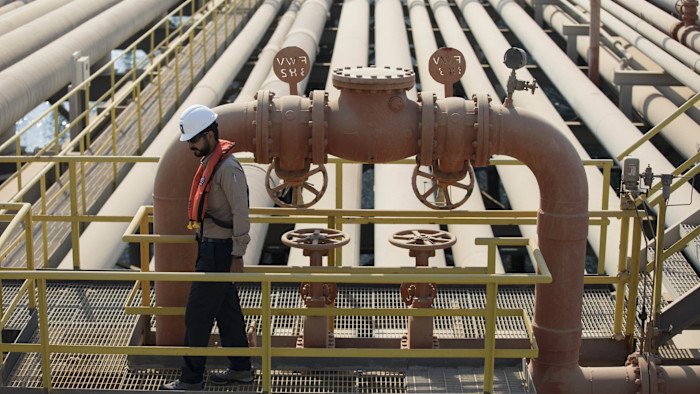
His comments come after Trump warned that Iran could face strikes on power plants and bridges if it fails to reopen the strategically vital shipping route. The Strait of Hormuz remains a central flashpoint in the conflict, with disruptions already affecting global energy markets.
Peskov framed the crisis as a result of what he called aggression against Iran, emphasizing that the fallout now extends beyond the immediate battlefield. He pointed to widening economic consequences, including pressure on global trade flows and energy supplies.
The Kremlin’s position reflects a broader concern in Moscow that the conflict is evolving into a wider regional crisis with systemic implications. Russia has so far avoided direct involvement in the fighting but has increasingly aligned its rhetoric with Tehran, while benefiting indirectly from higher oil prices linked to the disruption.
The situation highlights a growing contradiction.
As military pressure intensifies on Iran, the conflict is simultaneously expanding in scope, pulling in new economic and strategic variables that are harder to contain. For global markets and regional actors, the risk is no longer confined to isolated strikes or localized escalation.
It is the cumulative effect of a conflict that is spreading faster than diplomatic efforts can respond.