With conflicts raging worldwide, US allies await Trump’s stance on Ukraine, NATO, and Middle East policy in Munich.
The 2025 Munich Security Conference kicks off under intense global scrutiny as US allies push for clarity on President Trump’s foreign policy. With Ukraine’s war entering its fourth year, Vice President JD Vance and Secretary of State Marco Rubio will lead Washington’s delegation, engaging with NATO partners and Ukrainian President Volodymyr Zelenskyy.
Trump’s recent push for a swift Ukraine-Russia ceasefire has left Europe questioning America’s long-term commitment. While the US president has not repeated his past threats to withdraw from NATO, he has ruled out American troops in Ukraine and dismissed Kyiv’s ambitions for NATO membership. French President Emmanuel Macron and UK officials are reportedly exploring European-led peacekeeping efforts, should a ceasefire materialize.
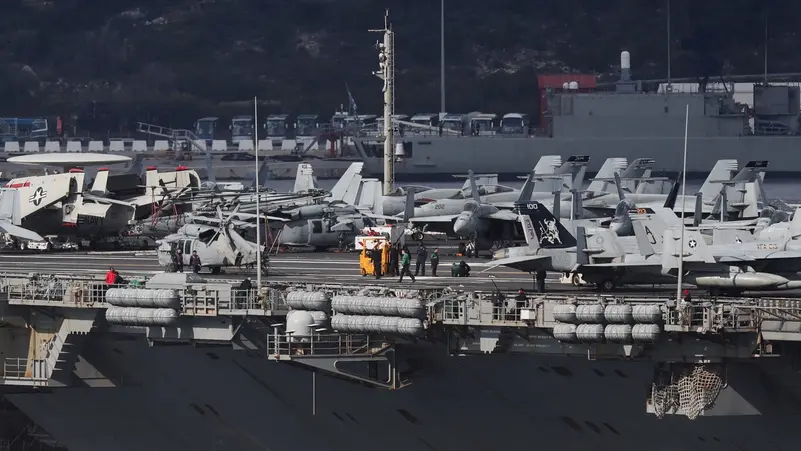
Beyond Ukraine, the conference will tackle Middle Eastern instability, China’s growing assertiveness, and ongoing conflicts in Sudan and the DRC. Trump’s controversial remarks about relocating Palestinians from Gaza are expected to dominate side discussions, further straining US-European relations. Meanwhile, China’s delegation arrives as tensions with Washington escalate over Taiwan, with recent US naval maneuvers in the Taiwan Strait fueling Beijing’s anger.
As world leaders gather in Munich, the question remains: will Trump’s “America First” stance reshape global alliances, or will US allies take the lead in securing Europe’s future?