Hillary Clinton Warns U.S. Has ‘Lost Leverage’ With Iran as Blockade Escalates.
When even insiders say the U.S. lost leverage, the real question isn’t what happens next—it’s who is actually in control.
Former Secretary of State Hillary Clinton has issued one of the bluntest assessments yet of Washington’s position in the Iran crisis: the United States, she argues, is no longer negotiating from strength.
Her warning comes at a pivotal moment—just days after talks in Islamabad collapsed and as the U.S. intensifies pressure through a naval blockade targeting Iranian ports around the Strait of Hormuz.
“We are in a very weak position,” Clinton said, arguing that Washington has “lost the leverage and initiative” that once defined its approach to Tehran.
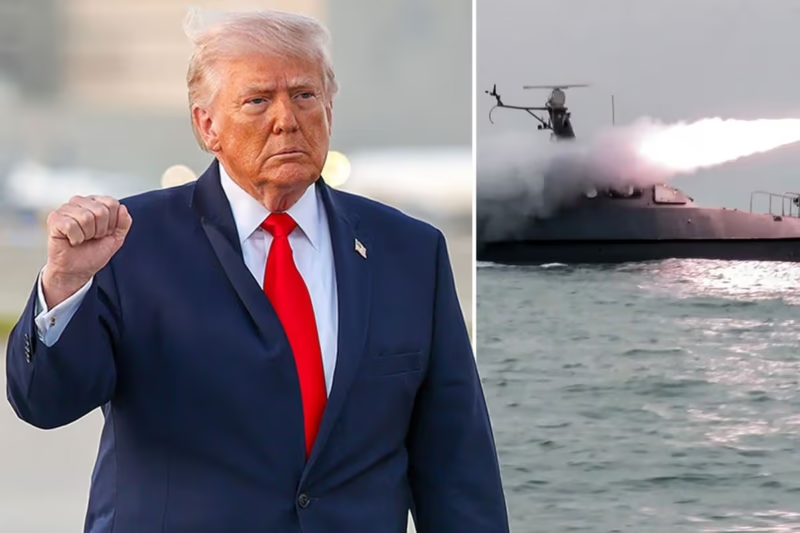
That critique cuts directly against the Trump administration’s strategy, which rests on the belief that maximum pressure—military, economic, and psychological—can force Iran into concessions.
Clinton’s argument is the opposite: pressure without a clear diplomatic framework erodes leverage rather than strengthens it.
Her position reflects a deeper strategic divide in U.S. foreign policy. While she supported earlier, limited strikes on Iranian nuclear facilities, she criticized what she described as a broader, “incoherent” escalation lacking a defined end state. In her view, leverage comes not just from القوة—but from clarity, credibility, and coalition-building.
That credibility, she suggests, has been damaged.
The collapse of talks led by JD Vance—combined with unilateral actions like the blockade—has reinforced Iranian perceptions that Washington is negotiating on shifting terms. At the same time, U.S. allies have refused to join the blockade, further weakening the appearance of a united front.
This matters because leverage in diplomacy is not just about capability—it is about alignment.
If Iran believes the United States is isolated, divided from allies, or uncertain in its objectives, it has less incentive to compromise. Instead, it can wait, escalate selectively, or seek alternative backing from powers like China or Russia.
Clinton also pointed to another structural problem: the absence of experienced negotiators deeply versed in nuclear diplomacy. Her call to “bring in people who actually know something about nuclear weapons” signals concern that technical complexity is being overshadowed by political messaging.
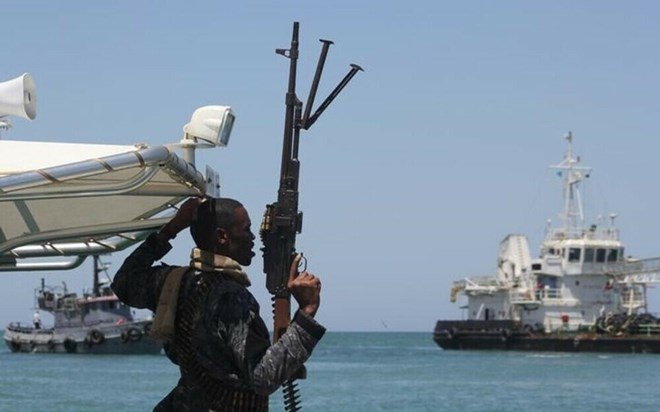
Meanwhile, the battlefield reality is moving in the opposite direction of de-escalation. The blockade is tightening. Shipping is disrupted. Iran is threatening retaliation. And Israel’s continued operations in Lebanon complicate any ceasefire framework.
In that environment, leverage becomes fluid.
Washington may hold military dominance, but Iran retains asymmetric tools—control over chokepoints, proxy networks, and the ability to destabilize global energy markets. Each side believes it can outlast the other.
Clinton’s warning ultimately points to a larger risk: that the United States is drifting into a position where it must negotiate not from strength, but from necessity.
And in high-stakes conflicts, that shift can define the outcome.