Five months into the Iran war, Washington is still bombing, oil markets are nervous, the Hormuz toll plan collapsed, and the U.S. is no closer to a durable solution for the world’s most dangerous waterway.
Five Months of War Have Left Washington Further From Control of the Strait
Donald Trump entered the war with Iran promising strength, speed and control. Five months later, the United States is still using force to reopen the Strait of Hormuz, oil markets are under pressure, diplomacy is weakening, and Washington’s strategy appears less clear than when the conflict began.
The immediate U.S. objective is obvious: restore safe navigation through Hormuz and reduce Iran’s ability to threaten commercial shipping. But the wider strategy is blurred by reversals, public boasts, abandoned proposals and unclear end-state planning. The Guardian reported that Trump’s war policy has moved into a “murkier phase” as both sides drift further from the memorandum of understanding signed on June 17.
The most damaging example was Trump’s proposal that the United States could charge a 20% toll for clearing and protecting the strait. The plan was presented as serious, then rapidly abandoned after resistance from shipping firms, regional actors and parts of the U.S. administration.
That reversal exposed a deeper problem: Washington is fighting for a waterway without a settled legal, diplomatic or maritime framework for what comes next.
This matters because Hormuz is not a private canal. It is an international chokepoint central to global trade, energy security and maritime law. The International Maritime Organization council recently reaffirmed that passage through the strait should remain free of tolls and charges, while senior U.S. officials had previously defended freedom of navigation as a pillar of the rules-based maritime order.
The toll proposal therefore damaged Washington’s own argument. If the United States says Iran cannot weaponize Hormuz, it weakens its position by floating a U.S.-controlled payment system over the same waterway. That is not strategic consistency. It is improvisation under pressure.
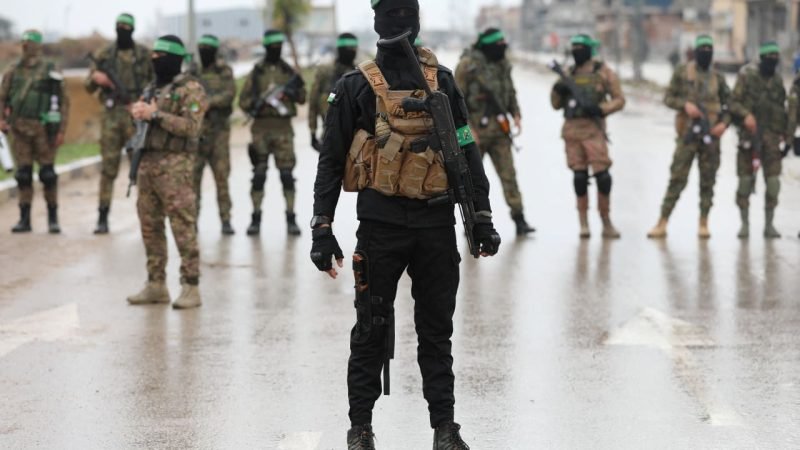
Militarily, Washington still has power. Reuters reported that recent U.S. strikes have targeted Iranian air defenses, coastal radar, missile and drone sites, small boats and maritime assets. U.S. officials described some of these strikes as operations that could prepare the battlefield for more complex action if Trump orders further escalation.
But battlefield damage has not yet produced political success. Reuters also reported that critics see a pattern of tactical gains failing to deliver concessions from Tehran, while Iran retains drone and missile capabilities and continues to use Hormuz as leverage.
That is the central contradiction of Trump’s position. The United States can bomb Iranian military infrastructure, but it has not solved the political problem of who guarantees navigation, who supervises demining, who reassures shipping companies, and what legal authority governs the strait after the guns pause.
Iran, meanwhile, has turned geography into leverage. Even after suffering major military losses, Tehran still appears able to disrupt shipping, pressure Gulf bases, and keep Washington tied down in a conflict that affects oil, insurance, ports and global inflation.
The Guardian reported that about 6,000 sailors remain trapped in the strait and that U.S. war costs, including damage to regional bases, have been estimated at $100 billion.
The June memorandum now looks increasingly fragile. Its assumption that Washington and Tehran could settle the nuclear question by mid-August appears unrealistic while both sides are escalating militarily. The agreement also appears to have left dangerous ambiguity over Iran’s role in arranging ship passage and the temporary suspension of fees.
A better U.S. strategy would have focused early on a clear maritime framework: demining schedules, neutral monitoring, guarantees from Iran and Oman as littoral states, international verification, and a legal structure accepted by insurers and shipping firms. Instead, Washington moved between threats, toll ideas, blockade language and bombing campaigns.
This has opened space for critics across the region. Oman’s foreign minister, Sayyid Badr Albusaidi, argued in Le Monde that decades of Gulf containment policy have failed, and that the gravest threats to Gulf security have come from decisions made outside the region. The Guardian cited his argument as part of a wider debate over whether U.S. policy has made the Gulf safer or more exposed.
For Trump, the domestic political risk is also rising. Higher oil prices could hit American consumers before the midterm elections. A president who promised control may now be judged by fuel costs, market instability and the perception that Iran has dragged the United States into a costly maritime crisis.
For the Gulf states, the lesson is harsher. American power remains enormous, but Washington’s policy process looks unstable. Gulf governments need security guarantees, but they also need predictability. A U.S. president who proposes a toll one day and drops it the next cannot easily reassure shipping markets or regional capitals.
For the Horn of Africa and Red Sea region, the implications are direct. If Hormuz remains unstable, Bab el-Mandeb, the Gulf of Aden, Berbera, Djibouti, Suez and alternative energy corridors become more important. Maritime stability is no longer a distant Gulf issue. It is now part of the strategic map linking the Middle East, East Africa and global trade.
Trump’s dilemma is now clear. If he escalates, he risks a wider war, higher oil prices and deeper regional retaliation. If he pauses, Iran may claim it resisted U.S. pressure and preserved influence over Hormuz. If he negotiates, he must explain why months of war produced a worse bargaining position than the one available before the first strikes.
The problem is not only that Washington lacks control of Hormuz.
The problem is that Washington has not defined what control means.
Trump’s Hormuz strategy is caught between military power and political confusion. U.S. strikes can damage Iranian assets, but they have not produced a stable legal or diplomatic framework for the strait.
The abandoned toll proposal exposed the absence of planning, while Iran continues to use geography, drones, missiles and maritime pressure as leverage. The crisis now threatens oil markets, Gulf security and U.S. domestic politics.
Without a coherent navigation framework backed by Iran, Oman, the IMO, insurers and regional states, bombing alone will not reopen Hormuz in a sustainable way.
By WARYATV Intelligence Desk | waryatv@waryatv.com
Strategic Assessments examine major geopolitical developments, separating events from implications and identifying the forces shaping what comes next.