Explosions Rock Tehran as Iran and Israel Trade Missiles in Intensifying War.
In Tehran, windows rattled before dawn. Residents stepped into streets filled with smoke, unsure what had been hit—only that the strikes were closer, louder, and more sustained than before.
On the 34th day of the war, powerful explosions struck multiple across the Iranian capital and nearby Karaj, where an airstrike reportedly destroyed a major highway bridge linking the two cities. The structure, described by local media as one of the largest in the region, had only recently opened—its loss signaling a shift toward infrastructure targets with immediate civilian and logistical impact.
Simultaneously, smoke rose near Mashhad after a strike hit an oil facility, while reports from Ahvaz, Shiraz, and Qeshm Island pointed to a widening campaign against military and industrial sites. The scale was notable: Israeli officials said roughly 15 weapons-related locations in central Tehran were targeted, part of a broader effort to degrade Iran’s production capacity.
By the third layer of this escalation, the pattern is unmistakable. The war is no longer confined to symbolic or strategic targets—it is moving deeper into the systems that sustain both military operations and civilian life.
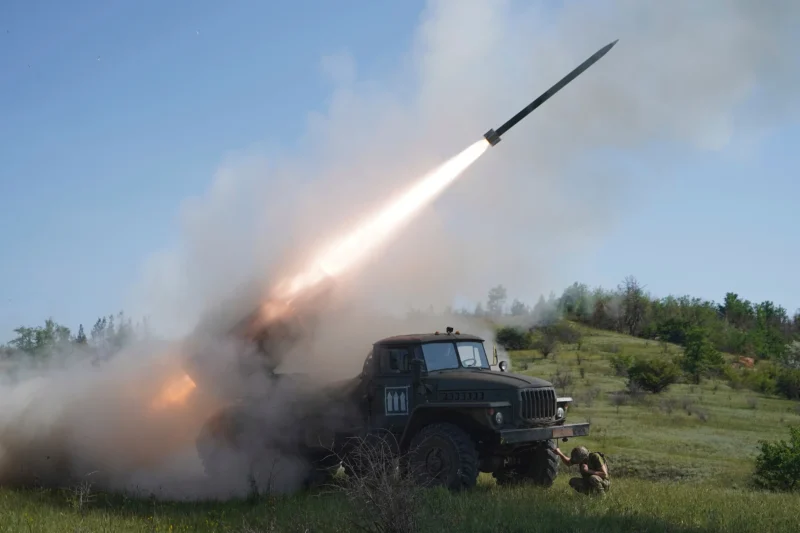
Iran responded quickly. Missiles were launched toward Tel Aviv and surrounding areas, with Israeli authorities confirming multiple barrages within hours.
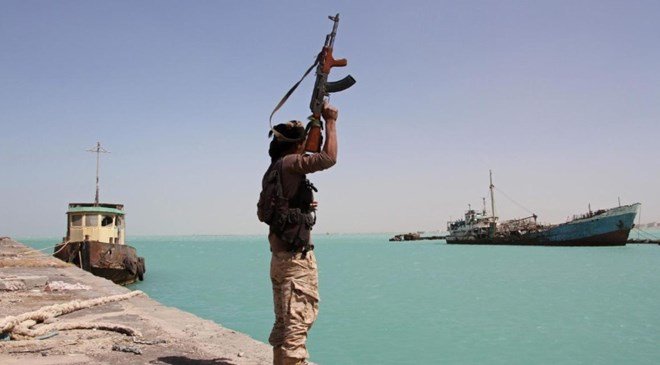
Air defense systems intercepted several projectiles, but fragments fell across central regions, including near Beit Shemesh, causing damage and minor injuries. Sirens also sounded in northern Israel after rockets were detected from Lebanon, while a separate missile launched from Yemen was intercepted mid-flight.
The tempo is accelerating. Four Iranian attacks were recorded within a six-hour window, underscoring Tehran’s ability to sustain repeated strikes despite weeks of bombardment.
There are signs of tactical evolution. Israeli media reported the possible use of cluster-style munitions—exploding mid-air and dispersing smaller projectiles—contributing to wider damage patterns even when interception systems succeed. Both sides have previously accused each other of employing such weapons, adding another layer of controversy to an already complex battlefield.
At the same time, the scale of U.S. involvement is becoming clearer. U.S. Central Command stated that more than 12,300 targets have been struck inside Iran since the conflict began, including over 150 vessels. The objective, officials say, is to dismantle Iran’s security apparatus and neutralize immediate threats.
Iran’s response has shifted in tone as well as action. Military leaders have vowed “crushing” and more expansive retaliation following threats from Donald Trump to escalate strikes further. The language suggests preparation not just for continuation, but for intensification.
There are, however, limits to what either side has achieved so far. Despite sustained strikes, Iran continues to launch missiles across multiple fronts. Despite repeated interceptions, Israeli territory remains exposed to residual damage. Each side demonstrates capability—neither delivers a decisive break.
What is changing is the nature of the targets. Infrastructure, transport links, and energy facilities are increasingly in focus. These are not just military objectives—they are pressure points designed to disrupt daily life and strain national resilience.
The strategic trajectory is clear: escalation without resolution.
As strikes deepen and responses multiply, the conflict is shifting from contained exchanges to a broader war of endurance—where the question is no longer how hard each side can hit, but how much damage each can absorb.
And with every bridge destroyed and every missile launched, that threshold moves further away from any quick end.