
US-Israel war on Iran
Trump Slams NATO as “Cowards” Amid Hormuz Standoff

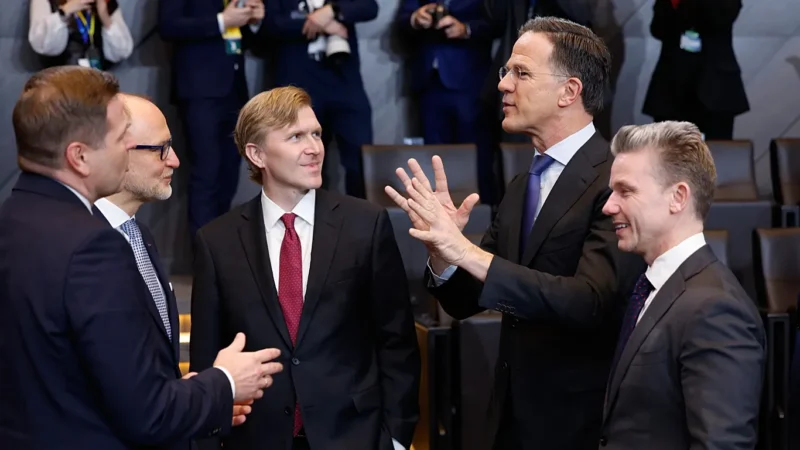
U.S. Weighs More Warships and Possible Kharg Island Move as Gulf Conflict Expands.
Oil surges. Missiles fly. Allies clash — with words and warships.
President Donald Trump has lashed out at NATO allies, branding them “cowards” for refusing to help reopen the Strait of Hormuz, as Washington reportedly prepares to send additional warships and thousands of troops to the Middle East.
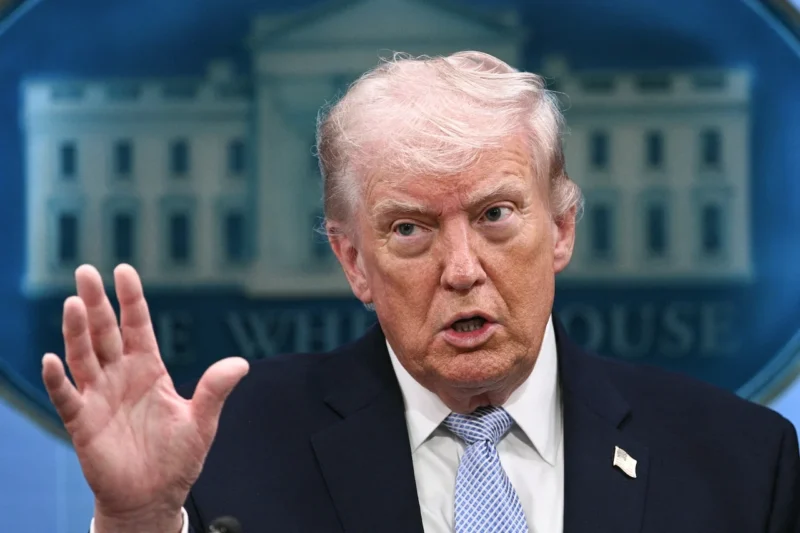
In a social media post, Trump accused European partners of benefiting from American military action against Iran while declining to share the burden of securing one of the world’s most critical maritime chokepoints. “Without the U.S.A., NATO IS A PAPER TIGER!” he wrote, arguing that reopening the strait would be “a simple military maneuver.”
The rhetoric comes as U.S. media report that the Pentagon is considering options that include occupying or blockading Iran’s Kharg Island — a small but strategically vital export terminal responsible for roughly 90% of Iran’s oil shipments. Any such move would carry significant risks, placing American forces within range of Iranian drones and rockets in a confined coastal environment.
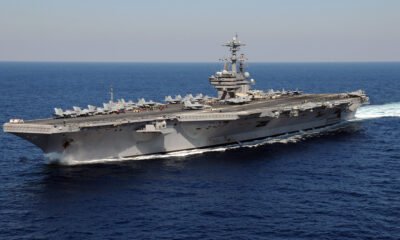
The Pentagon has already deployed the 31st Marine Expeditionary Unit, a rapid-response force of about 2,200 marines, aboard the USS Boxer, which departed earlier than scheduled. Officials have not disclosed specific mission parameters.
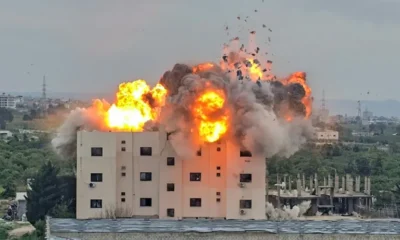
The conflict continues to widen. Iranian drone strikes reportedly hit Kuwait’s Mina al-Ahmadi refinery, while U.S. and Israeli forces struck Iranian cargo vessels in Gulf ports. Explosions were heard in Dubai as air defenses intercepted incoming rockets. In Israel, missile warnings sounded over Jerusalem.
Iran’s military has issued direct threats against U.S. and Israeli personnel worldwide, warning that “tourist and entertainment centres” could become unsafe. Meanwhile, energy infrastructure across the Gulf has been repeatedly targeted, sending oil and gas prices sharply higher.
Trump has previously said he had no intention of putting “boots on the ground,” yet the shifting posture — from expanded naval deployments to potential control of Iranian export facilities — signals how fluid the strategy remains.
British and other European leaders have expressed reluctance to join offensive operations, calling instead for de-escalation. Public opinion in several NATO countries remains skeptical of deeper involvement.
As the fourth week of war approaches, the strategic picture is increasingly complex. Washington is pushing to secure maritime trade and apply pressure on Tehran’s energy lifeline. Allies are wary of escalation. Iran continues to strike back.
The Strait of Hormuz remains partially paralyzed — and the political divide between the United States and some of its closest partners is now as visible as the military standoff in the Gulf.

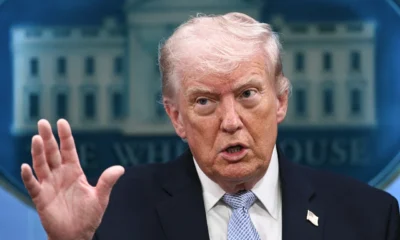











Americans ‘Relieved’ but Doubtful as Polls Reveal Skepticism Over Trump’s Iran Ceasefire.
A majority of Americans are breathing easier after the temporary ceasefire between the United States and Iran—but few believe it will hold.
New polling data shows that the dominant public reaction to the two-week truce announced by Donald Trump is simple: relief. Yet beneath that initial reaction lies a deeper sense of doubt about the durability of the agreement and the direction of U.S. policy.
A YouGov survey of nearly 3,000 U.S. adults found broad support for the ceasefire. Around 41% strongly approved of the deal, with another 25% expressing moderate approval. Only a small minority opposed it, while nearly a quarter remained uncertain—reflecting a public still trying to process rapidly shifting developments.
But a separate poll by Daily Mail in partnership with JL Partners reveals a more cautious mood. While “relieved” was the most common word used by respondents, 54% believe the ceasefire will likely collapse. Just one in four Americans expect it to hold, and only 7% expressed full confidence in the agreement.
That gap—between emotional relief and strategic skepticism—captures the fragile political reality facing Washington.
The ceasefire was announced just 90 minutes before a deadline set by Trump, who had warned of catastrophic consequences if Iran did not reopen the Strait of Hormuz. The last-minute diplomatic breakthrough helped ease immediate fears of escalation, but it did little to resolve the underlying issues driving the conflict.
Public opinion also reflects uncertainty over the economic trade-offs embedded in the deal. About 43% of Americans support allowing Iran to charge fees on ships passing through the Strait of Hormuz if it helps maintain the truce, while 32% oppose the idea. The debate highlights growing concern over global energy disruptions, which have already pushed inflation higher and strained supply chains.
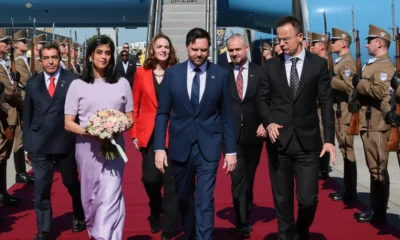
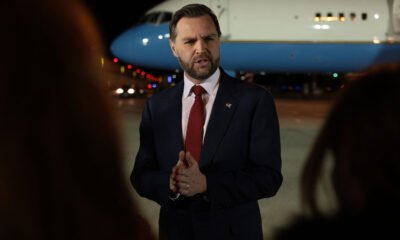
Meanwhile, the political stakes are rising. JD Vance now leads high-level negotiations aimed at turning the temporary pause into a longer-term settlement—an effort complicated by Iranian demands for sanctions relief and disagreements over whether the ceasefire extends to Lebanon.
Despite administration claims that strong U.S. pressure forced Tehran to negotiate, the public appears unconvinced that a lasting solution is within reach.
For many Americans, the ceasefire offers a momentary pause—not peace.
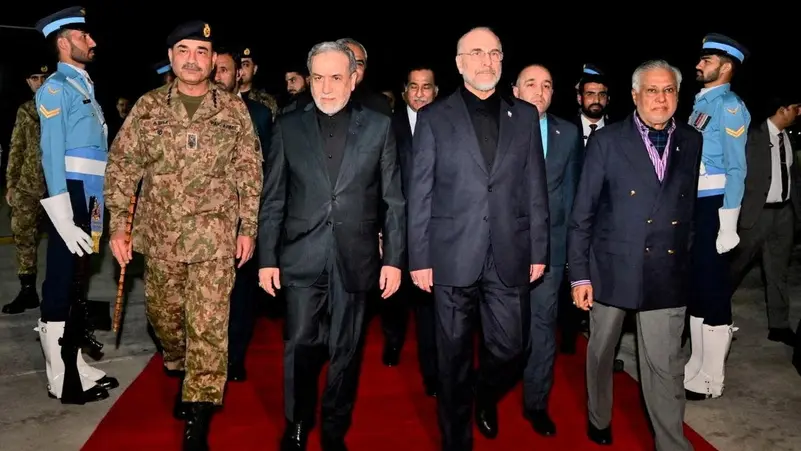
21 hours of talks—and still no trust. The ceasefire holds, but barely.
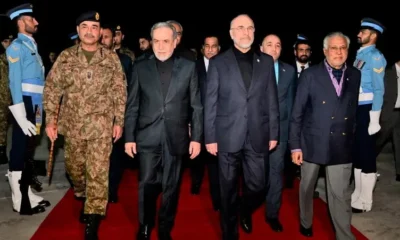
Iran’s parliamentary speaker has accused the United States of failing to build trust during marathon negotiations in Islamabad, after both sides left the table without reaching a deal to end weeks of conflict.
Mohammad Bagher Ghalibaf, who led Tehran’s delegation, said Iran had presented “forward-looking” proposals but that Washington had not done enough to convince Iranian negotiators.
“The U.S. has understood Iran’s logic and principles,” Ghalibaf wrote on social media. “Now it is time for them to decide whether they can earn our trust or not.”
The talks, hosted by Pakistan, lasted more than 20 hours and marked one of the highest-level direct engagements between the two countries in decades. The U.S. delegation was led by JD Vance and included senior figures such as Steve Witkoff and Jared Kushner.
Despite the high-level presence, negotiations ended without agreement, leaving a fragile ceasefire in place but under increasing strain.
Both sides have traded blame for the breakdown. U.S. officials have signaled frustration over Iran’s positions on uranium enrichment and control over the Strait of Hormuz, while Tehran has pointed to what it sees as excessive demands and a lack of meaningful concessions.
The failure to reach a deal has raised concerns that hostilities could resume, particularly given the war’s impact on global energy markets and regional stability. Since the conflict began, oil prices have surged and critical infrastructure across the Middle East has been targeted.
For now, however, the ceasefire continues to hold.
Diplomats say the outcome underscores a familiar pattern in U.S.-Iran relations: deep mistrust, competing narratives, and negotiations that stop short of resolution. Whether talks resume—or tensions escalate—will likely depend on whether either side is willing to shift its position in the coming days.
Until then, the region remains in a precarious pause.
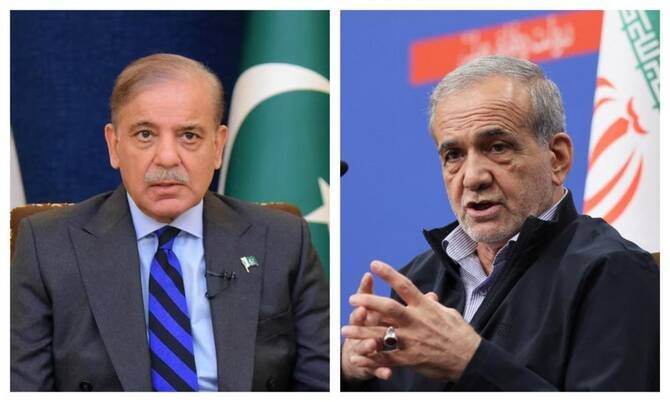
No missiles. No peace. Just a more dangerous phase. The war isn’t over—it’s evolving.
US-Iran Ceasefire Masks a Deeper Conflict as War Shifts from Battlefield to Negotiation Table.
What looks like a ceasefire is, in reality, a transformation. The conflict between the United States and Iran has not ended—it has shifted into a more complex and potentially more dangerous phase, where ambiguity, interpretation, and strategic messaging now shape the battlefield as much as missiles once did.
The agreement that paused direct confrontation was never a detailed, enforceable settlement. It was a framework—intentionally broad, structurally ambiguous, and politically flexible. That ambiguity has allowed each side to claim success while quietly continuing the struggle through different means.
Washington presents the pause as the result of military pressure forcing Tehran to negotiate. Tehran, in turn, frames it as evidence of American retreat and implicit recognition of its demands.
This divergence is not cosmetic—it is the core of the problem.
Without a shared interpretation, the ceasefire has become part of the conflict itself. Each side claims compliance while accusing the other of violations, turning the agreement into a tool of strategic maneuvering rather than a mechanism for peace.
The result is a redistribution of conflict rather than its resolution. Direct US-Iran confrontation has eased, but violence has intensified in indirect arenas. Nowhere is this clearer than in Lebanon. Israel, backed politically by Donald Trump, treats the Lebanese front as outside the ceasefire and continues operations against Hezbollah. Iran insists the agreement applies to “all fronts,” a phrase whose ambiguity has effectively shifted the dispute from diplomatic language to active battlefields.
This is not a failure of wording—it is the strategy.
History offers a warning. Ambiguity in past agreements, such as UN Security Council Resolution 242, created decades of geopolitical tension over interpretation. The current moment echoes that pattern. Language is no longer neutral; it is an instrument of power.
Meanwhile, the Strait of Hormuz—initially the trigger of the crisis—has not been resolved but repositioned. It now functions as a bargaining chip within a fragile balance. Shipping flows have partially resumed, yet remain subject to informal controls and implicit Iranian leverage. This is not stability; it is conditional access.
For Gulf states, particularly Saudi Arabia, the implications are deeply unsettling. The ceasefire raises a critical fear: that a bilateral US-Iran understanding could emerge at their expense. Continued attacks and unresolved threats reinforce the perception that regional security is being negotiated without fully addressing their concerns.
This anxiety is not peripheral—it is central. Any framework that sidelines Gulf security risks becoming inherently unstable.
Looking ahead, three trajectories emerge.
The first is cautious de-escalation, where informal understandings gradually expand the ceasefire’s scope. The second—and most likely—is a prolonged, fragile equilibrium: a managed conflict where the ceasefire holds on paper while localized clashes persist. The third is collapse, triggered by miscalculation or escalation, leading to a renewed and potentially more intense confrontation.
Across all scenarios, one constant remains: no side can afford full-scale war. That reality imposes limits—but not resolution.
What is unfolding is not peace. It is a transitional phase where the rules of engagement are being renegotiated without consensus. The war has not been stopped; it has been reshaped.
And that may be the most dangerous outcome of all.
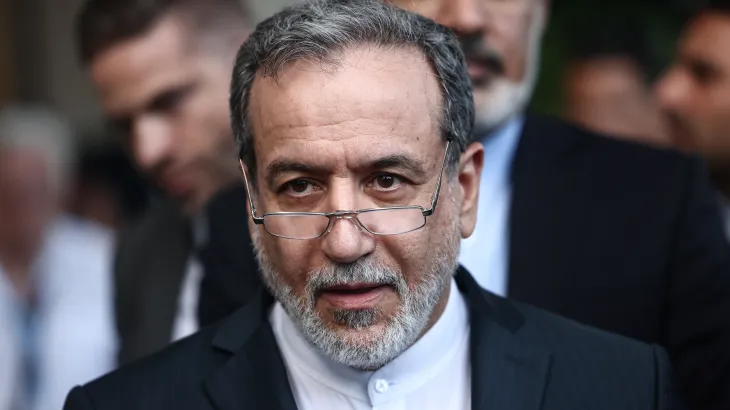
Negotiators are talking—but also watching their backs. If Islamabad fails, the war could return fast.
The high-stakes negotiations between the United States and Iran in Islamabad have entered a tense new phase, where diplomacy is unfolding alongside mounting security fears and the looming risk of renewed conflict.
For the first time in years, elements of direct engagement have emerged between the two sides. The U.S. delegation, led by JD Vance, is facing off with Iranian officials headed by Mohammad Bagher Ghalibaf. Pakistan is playing host and mediator, aiming less for a breakthrough than for preventing total collapse.
But beyond the negotiating rooms, a darker layer of risk is shaping the talks.
Iran has publicly warned of what it calls “incitement to state terrorism,” pointing to commentary in U.S. policy circles suggesting that Iranian negotiators could be targeted if talks fail. Tehran has framed such rhetoric as a dangerous escalation—one that blurs the line between diplomacy and political violence.
Security measures reflect those fears. Pakistani authorities have effectively locked down key zones of the capital, deploying extensive checkpoints, surveillance, and rapid-response units. The precautions are driven not only by concerns over militant attacks or regional spillover, but also by the possibility of targeted strikes aimed at derailing the talks.
Reports circulating in regional media suggest Iran has taken extraordinary steps to protect its delegation, including the use of decoy flights—though such claims remain unverified.
The anxiety is not without precedent. The early phase of the war saw high-profile assassinations of senior Iranian figures, setting a tone that continues to influence Tehran’s threat perception.
Still, there is no credible evidence supporting extreme claims that Iranian nationals broadly face coordinated targeting in Pakistan. Officials view such narratives as exaggerations fueled by an already volatile environment.
What remains real is the risk if diplomacy fails.
At the center of the talks lies the unresolved dispute over the Strait of Hormuz, which Iran has used as leverage throughout the conflict. A breakdown in negotiations would likely trigger renewed pressure on the waterway, disrupting global energy flows and reigniting economic shockwaves.
Washington has signaled little tolerance for prolonged stalemate. Donald Trump has repeatedly warned of large-scale strikes if Iran does not fully reopen Hormuz, while Israel continues military operations in Lebanon outside the scope of the ceasefire.
The likely trajectory, analysts say, is not immediate all-out war—but rapid escalation: missile exchanges, proxy activation, and renewed attacks on regional infrastructure.
Longer term, failure in Islamabad could harden positions on both sides. In Tehran, it would strengthen arguments for accelerating nuclear capabilities under a more hardline leadership. In Washington, it would reinforce a shift back toward coercive pressure.
For now, the talks continue under tight security and heavy expectations.
The outcome may not deliver peace—but it will determine whether the current pause holds, or whether the conflict returns with greater intensity.
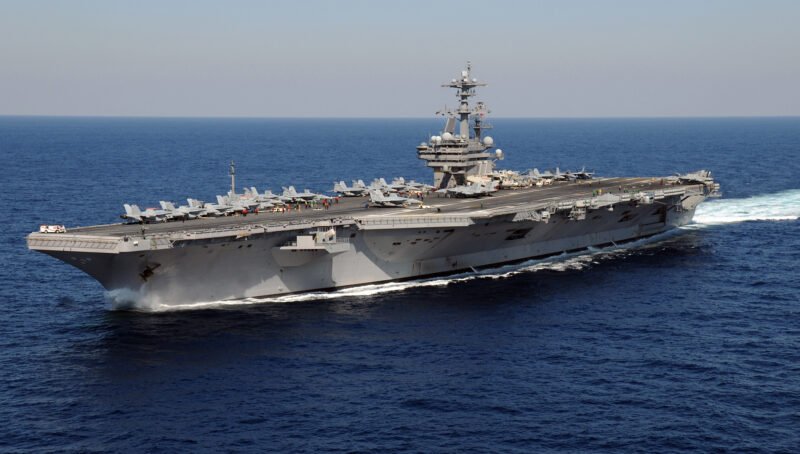
The war may be paused—but the mines remain. Now the US is moving to clear the world’s most critical oil route.
The United States military has begun preparations to clear sea mines from the Strait of Hormuz, a key step toward restoring global shipping flows amid a fragile ceasefire with Iran.
U.S. Central Command said Saturday that two warships—the USS Frank Peterson and USS Michael Murphy—have transited the waterway as part of operations to “set conditions” for mine-clearing efforts. The mission aims to secure the strait following weeks of disruption caused by Iranian mine-laying activities.
Admiral Brad Cooper said forces have begun establishing a safe maritime passage, which will soon be shared with commercial shipping operators to encourage the resumption of trade.
“Today, we began the process of establishing a new passage,” Cooper said, adding that the goal is to ensure the waterway is “fully clear” of mines.
Earlier, Donald Trump said U.S. forces had already taken significant action against Iran’s naval capabilities, including the destruction of vessels used to deploy mines. His comments could not be independently verified.
The Strait of Hormuz, through which about 20 percent of global oil supply typically passes, has been largely disrupted in recent weeks, contributing to volatility in energy markets and rising fuel prices worldwide.
The mine-clearing effort comes as U.S. and Iranian officials meet in Islamabad for negotiations aimed at extending a temporary ceasefire into a broader agreement. Reopening the strait has emerged as a central condition for maintaining the truce.
While the military operation marks progress toward restoring navigation, officials caution that clearing mines is a complex process that could take time.
For now, the effort signals a shift from active conflict to stabilization—though the situation remains uncertain as diplomatic talks continue.
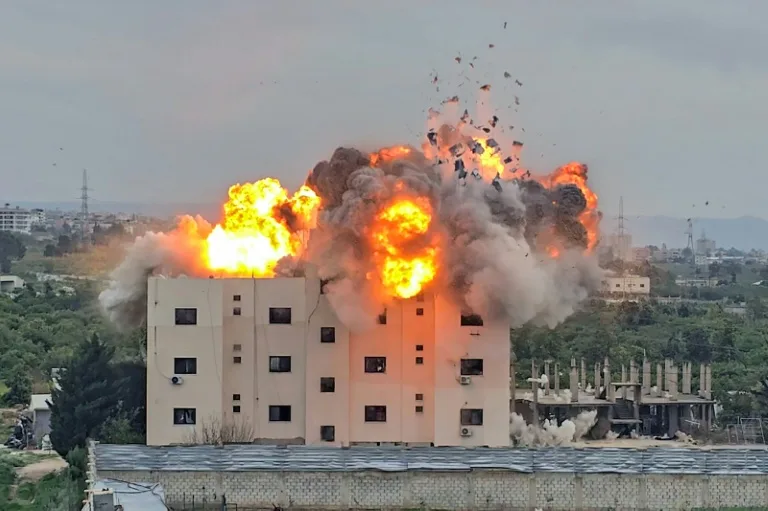
7,700 strikes. Two countries hit the hardest. The numbers reveal where the war was really fought.
Iran and Lebanon bore the brunt of a sustained barrage of missiles, drones, and airstrikes during the recent Middle East war, according to new conflict data tracking nearly 7,700 attacks over a six-week period.
An analysis based on data from ACLED, a U.S.-based conflict monitoring group, shows that roughly three-quarters of all recorded strikes targeted either Iran or Lebanon, underscoring the central role both played in the conflict.
The data covers the period from February 28 to April 8, when a fragile ceasefire between Tehran and Washington took effect.
Iran alone accounted for about 40 percent of the strikes. Most of these were attributed to Israeli operations, though only around one-third of targets could be clearly identified as military or linked to the Islamic Revolutionary Guard Corps. A significant portion of strikes had no confirmed target classification.
Lebanon represented roughly one-third of the total attacks, reflecting ongoing hostilities involving Hezbollah. Israeli forces carried out the majority of strikes there, while Hezbollah accounted for a smaller share of attacks targeting Israeli positions.
The data also highlights that the ceasefire between the United States and Iran did not extend to Lebanon, where Israeli operations continued throughout the period.
Beyond the two main theaters, about one in seven attacks targeted Israel itself, most of which were intercepted. These strikes were launched in roughly equal proportions by Iran and Hezbollah.
Other countries were also drawn into the conflict. Iranian strikes targeted Gulf states including the United Arab Emirates, Saudi Arabia, Kuwait, and Bahrain, while additional incidents were recorded in Iraq, Syria, Jordan, and Turkey.
Energy infrastructure emerged as a key target across the region. Facilities in Iran, as well as oil installations in Gulf states, were repeatedly struck, contributing to wider disruptions in global energy markets. ACLED data indicates that around 40 percent of strikes affecting such infrastructure resulted in damage.
Military bases hosting U.S. personnel were also targeted approximately 50 times, particularly during the early phase of the conflict.
The findings provide one of the clearest quantitative pictures of the war’s intensity and geographic spread, highlighting both the concentration of violence in Iran and Lebanon and the broader regional spillover.
While the ceasefire has reduced the pace of attacks, the scale of damage and the distribution of strikes suggest that the conflict’s impact will extend well beyond the battlefield.
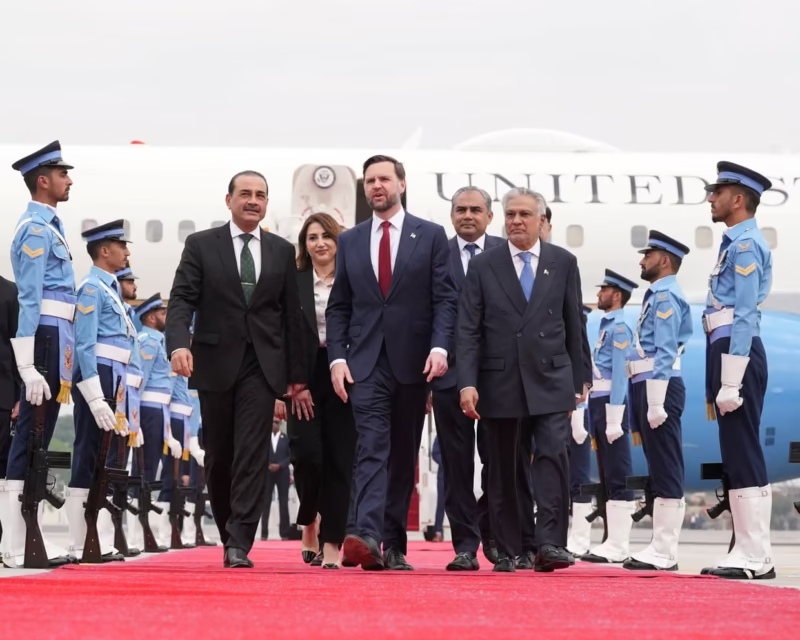
Iran entered high-stakes negotiations with the United States in Pakistan this weekend holding a key advantage: control over the Strait of Hormuz, a critical route for global energy supplies.
The waterway, which carries about 20 percent of the world’s oil and natural gas, has become a central issue in efforts to turn a fragile two-week ceasefire into a longer-term agreement. U.S. officials have made reopening the strait a top priority in the talks.
Before the war, commercial shipping moved freely through the passage linking the Persian Gulf to the Gulf of Oman. But shortly after the conflict began, Iran restricted access, allowing only limited traffic and reportedly charging fees to vessels seeking passage.
The disruption triggered sharp increases in global energy prices, with oil rising significantly during the height of the conflict before easing following the ceasefire announcement. However, shipping activity remains below normal levels, with many companies waiting for clearer security guarantees.
Iran has signaled it wants to retain some level of control over the strait as part of any final agreement, including the potential right to collect transit fees. U.S. President Donald Trump has sent mixed signals on the issue, at times criticizing the fees while also suggesting they could be part of a negotiated arrangement.
The focus on maritime access has shifted attention away from Iran’s nuclear program, which had been a primary driver of the conflict. While discussions on enrichment and sanctions relief are expected to continue, immediate concerns about energy flows and economic stability now dominate the agenda.
Despite heavy damage to its military during the war, Iran has continued to operate and retains the ability to influence regional dynamics. Analysts say its control over Hormuz provides leverage that could shape the outcome of the negotiations.
The talks come amid broader uncertainty. Differences remain over the terms of the ceasefire, and tensions persist across the region, including ongoing hostilities involving Iran-backed groups.
Officials from both sides have expressed cautious optimism about the negotiations, but significant gaps remain on key issues, raising questions about whether the ceasefire can be sustained.
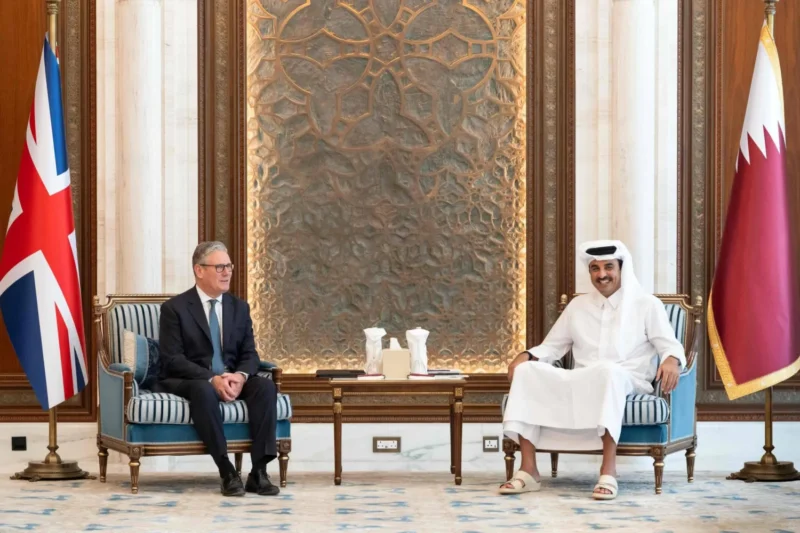
No Gulf buy-in, no real peace. Britain is now pushing the region to take ownership of the ceasefire.
Britain has emphasized the need for stronger Gulf involvement in stabilizing the U.S.–Iran ceasefire, as Prime Minister Keir Starmer wrapped up a three-day tour of the region.
Speaking after meetings with Gulf leaders, Starmer said participation from regional states is “vital” to turning the temporary pause in fighting into a lasting agreement.
During a stop in Doha, Starmer met Tamim bin Hamad Al Thani to discuss the ceasefire and broader regional tensions. Both sides welcomed the agreement between Washington and Tehran, describing it as an important step toward de-escalation.
Officials also stressed the need for continued coordination with international partners to build on the ceasefire and move toward a more durable peace framework.
Talks focused heavily on safeguarding global energy flows, particularly through the Strait of Hormuz, which remains a central concern for both regional and global markets following weeks of disruption.
Starmer reiterated the United Kingdom’s condemnation of recent Iranian attacks on Qatar and expressed full support for Doha’s efforts to protect its sovereignty and security.
Qatar’s leadership, including Prime Minister and Foreign Minister Mohammed bin Abdulrahman bin Jassim Al Thani, emphasized the importance of joint diplomatic efforts to ensure stability and prevent further escalation.
The visit to Qatar was part of a broader Gulf tour that included Saudi Arabia, Bahrain, and the United Arab Emirates, reflecting London’s push to engage regional powers directly in shaping the outcome of the crisis.
British officials say the strategy is to reinforce a coordinated Western–Gulf approach, ensuring that any long-term agreement addresses both security concerns and economic stability.
While the ceasefire has reduced immediate tensions, leaders on all sides acknowledge that its success will depend on sustained regional cooperation—and the ability to keep critical trade routes open.
For now, the message from London is clear: without Gulf participation, the ceasefire may not hold.

Most Americans Think Iran Ceasefire Won’t Last

Ukraine and Russia Edge Toward Possible Peace Deal

Iran Says US Failed to Build Trust in Islamabad Talks


-
 Red Sea6 days ago
Houthis Threaten to Shut Red Sea if War Widens
-
 Terrorism2 weeks ago
Egypt Uncovers Alleged Plan to Down Presidential Plane
-

 Top stories4 days ago
Kremlin Claims EU Is Working Against Orbán
-
 Top stories1 week ago
IRGC Moves to Control Iran’s Future
-
 Top stories2 weeks ago
Saudi Arabia Deepens Defense Ties with Ukraine
-
 US-Israel war on Iran4 days ago
Israel’s War Goals Unmet as U.S.-Iran Ceasefire Shifts Conflict Dynamics
-

 Top stories2 weeks ago
France Leads Talks With 35 Nations to Secure Strait of Hormuz
-
 US-Israel war on Iran1 week ago
Iran Warns UN Against Hormuz Resolution