As lawsuits mount, Trump’s effort to deploy troops in blue states tests the boundaries of presidential authority and the Constitution’s safeguards against militarization.
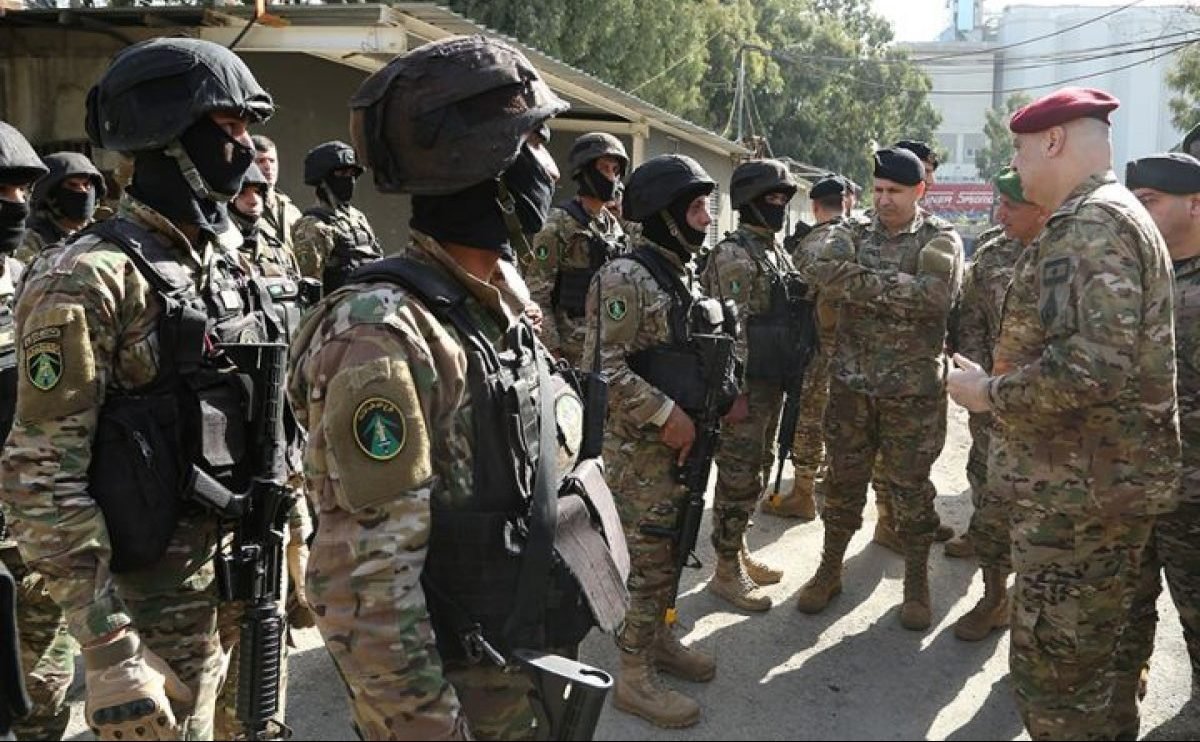
President Donald Trump’s sweeping attempt to deploy National Guard units across state lines—over the objections of Democratic governors—has ignited one of the most consequential legal battles over presidential authority in modern U.S. history. The move, which envisions rifle-carrying troops patrolling American streets, is testing the limits of federal power and reviving old questions about the military’s role within civilian life.
Trump has already sent federalized California National Guard members to Oregon and ordered Texas Guardsmen to Illinois, part of what his aides describe as a “muscular strategy” to combat crime and illegal immigration. His critics, however, see an alarming escalation: a president using the military as a domestic police force.
At a meeting with senior military officers last week, Trump described U.S. cities as “training grounds” for troops and warned of an “invasion from within.” Legal experts say such language underscores a dangerous blurring of military and civilian spheres. “What happens when the president loses in court?” asked Alex Reinert, a constitutional law professor at Cardozo School of Law. “Will he use it as an excuse to act in an even more authoritarian way?”
A Clash Over Command
Under U.S. law, National Guard control typically rests with governors unless units are federalized—an act that allows the president to override local authority. Trump’s use of this power, especially to move state troops into other states, is virtually unprecedented. The last comparable case dates to 1963, when President John F. Kennedy federalized the Alabama Guard to enforce civil rights laws. Trump’s deployments, by contrast, are aimed at “protecting federal property,” not enforcing congressional mandates.
Legal scholars point to the Posse Comitatus Act, which bars the use of the military for domestic law enforcement, as a central issue in the mounting lawsuits filed by California, Illinois, and Oregon. The Insurrection Act, which Trump has said he may invoke, allows active-duty forces to act when states “defy federal law” or cannot contain unrest—but only under tightly constrained circumstances.
“This is not a civil rights crisis or an insurrection,” said William Banks, a national security law professor at Syracuse University. “It’s a political statement disguised as a security operation.”
Courts, Congress, and the Constitution
The lawsuits now moving through federal courts could set major precedents for the balance of power between Washington and the states. A Trump-appointed judge has already blocked the deployment in Portland, prompting Trump adviser Stephen Miller to accuse the judiciary of “overreach” and liken protesters to “domestic terrorists.”
But experts say courts are unlikely to accept that argument. “A district court absolutely has the authority to review executive actions for constitutional compliance,” said Elizabeth Goitein of NYU’s Brennan Center for Justice, calling Trump’s use of troops in cities “a clear violation of the law.”
Goitein warned that using troops for domestic drills, as Trump has proposed, risks turning U.S. streets into “staging grounds for war.”
For now, Pentagon officials appear caught between loyalty to the commander-in-chief and adherence to established legal norms. Several have reportedly expressed unease at bypassing formal deployment protocols, normally used only in disaster relief or emergencies.
As Trump’s legal confrontations intensify, the broader stakes extend beyond partisan politics. “If a president defies a court order, that’s when the system itself is tested,” said Banks. “That’s the moment democracy can begin to come off the rails.”