$10 million IMF release sparks new debate: Is Somalia on a path to recovery—or headed deeper into dependency?
The IMF has signed the dotted line—again. But is this $10 million injection a spark for growth or a bandage on a failing state?
On Friday, the International Monetary Fund announced a staff-level agreement with the Somali government to unlock $10 million under the Extended Credit Facility (ECF). While the disbursement still awaits IMF Executive Board approval, it has already triggered cautious optimism in Mogadishu and diplomatic circles. Yet the real question is whether this cash represents a step toward self-reliance—or just another line of credit in an endless spiral of international rescue.
According to the IMF, Somalia’s economy is projected to grow by 4% in 2024, buoyed by agricultural recovery and easing inflation. But the optimism stops there. By 2025, the Fund expects growth to slow to 3%, with foreign aid cuts, unpredictable rainfall, and political instability clouding the outlook.
Translation? This is not a recovery—it’s a lifeline. And it’s fraying.
Despite some progress in fiscal reform, the IMF’s own warning is stark: “a more severe and sustained reduction in foreign aid would have long-term economic consequences, exacerbate food insecurity and poverty, and jeopardize Somalia’s progress.” In other words, Somalia remains a fragile economy on donor life support, vulnerable to both global shocks and internal dysfunction.
Critically, Somalia’s economy remains heavily donor-dependent and poorly diversified. Private consumption remains sluggish, institutional capacity is weak, and the risk of regression—both economic and political—is high.
Where is the accountability? Where are the reforms that truly matter?
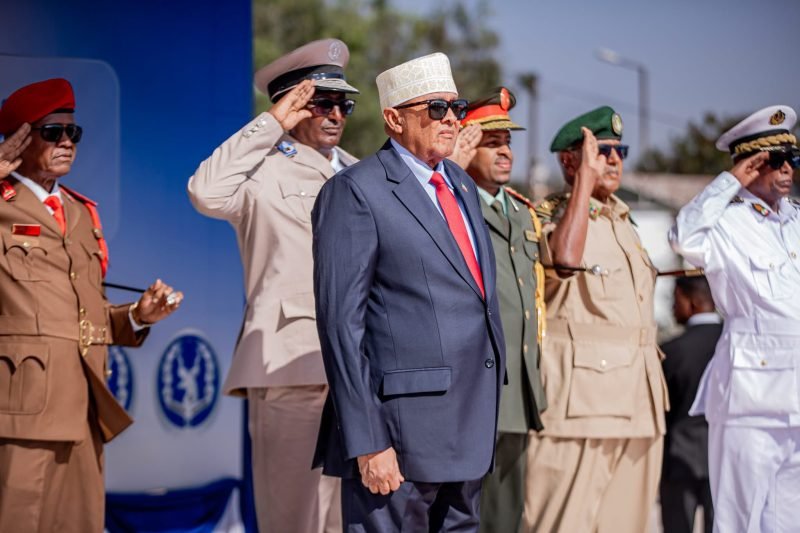
President Hassan Sheikh Mohamud’s administration has promised institutional strengthening and public financial management—but those words ring hollow when juxtaposed with chronic insecurity, elite corruption, and rising political division. How long can foreign donors keep writing checks while the central government builds parties instead of policies?
For investors, aid agencies, and regional players, the message is clear: Somalia’s economy doesn’t just need money—it needs transformation. Until Mogadishu starts treating financial discipline and inclusive governance as more than donor slogans, no dollar—whether ten million or ten billion—will fix what’s broken.
This IMF deal is a headline, not a solution. And the clock is ticking.