As Gaza Conflict Intensifies, Tehran Warns of Regional Conflagration Involving Hezbollah –
In a stark and provocative warning, Iran has declared that any Israeli attack on Lebanon would trigger an ‘obliterating’ war involving all of Iran’s regional allies, known collectively as the Resistance Fronts. This statement, issued by Iran’s mission to New York, heightens fears of a broader regional conflict that could spiral out of the current Gaza war.
As the conflict in Gaza continues, near-daily exchanges of fire between Israel and Lebanon’s Hezbollah, an Iran-backed militant group, have raised the specter of a wider war. This month has seen an escalation in both military activity and inflammatory rhetoric from both sides. The Israeli military has publicly stated that its plans for an offensive in Lebanon have been “approved and validated.” In response, Hezbollah has warned that no part of Israel would be spared in a full-scale conflict.
On social media platform X, the Iranian mission labeled Israeli threats as psychological warfare. However, it ominously added that any full-scale Israeli military aggression would result in an ‘obliterating’ war, with all options on the table, including the full involvement of the Resistance Fronts.
The current Gaza conflict, which began in October following a surprise attack on southern Israel by Hamas militants, has already drawn in regional actors. Iran, a staunch supporter of Hamas, praised the attack while denying direct involvement. Yet, Hezbollah’s attacks on northern Israel and the actions of Iran-backed rebels in Yemen—who have targeted commercial ships in the Red Sea in solidarity with Palestinians—underscore the volatile regional dynamics.
Tensions were further inflamed in April when an Israeli airstrike leveled Iran’s consulate in Damascus, killing seven members of Iran’s Revolutionary Guards, including two generals. Iran’s response was swift and severe, launching an unprecedented drone and missile attack on Israel on April 13 and 14. The subsequent explosions in Iran’s central province of Isfahan, reported by Iranian state media and attributed to retaliatory Israeli strikes, mark a significant escalation in the Israel-Iran conflict.
Despite these serious provocations, Iran has downplayed the reported Israeli raid. This downplaying, however, does little to ease the palpable tension in the region.
The potential for a wider conflict is not just a hypothetical scenario. With Hezbollah deeply entrenched in Lebanon and supported by Iran, any Israeli offensive could quickly draw in other members of the Resistance Fronts. This includes various militant groups across the Middle East that are aligned with Iran and hostile to Israel.
The stakes are high. A broader conflict could destabilize the entire region, affecting global oil supplies, disrupting international shipping routes, and sparking humanitarian crises on an unprecedented scale. The geopolitical ramifications would be profound, drawing in global powers and potentially reshaping alliances and enmities in the Middle East.
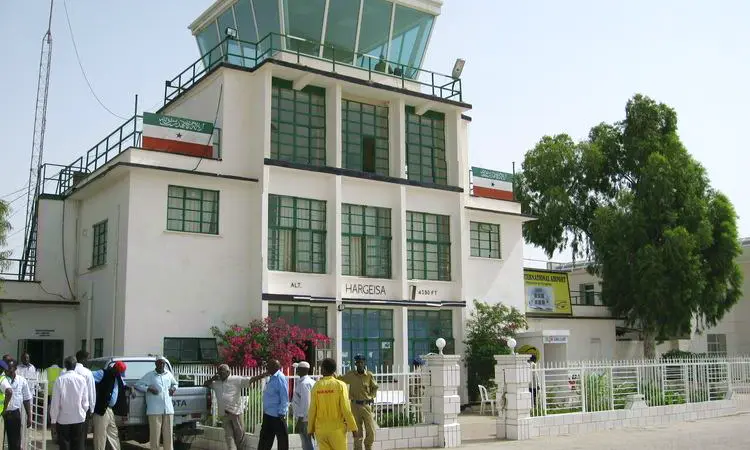
As the November 2024 elections approach in Somaliland, the shadow of these larger regional conflicts looms ominously. The tribal politics and clan loyalties that threaten to derail Somaliland’s democratic aspirations are, in a way, a microcosm of the broader Middle Eastern dynamics where allegiances and enmities often transcend national boundaries, influenced by historical, religious, and ideological ties.
The people of Somaliland, much like the broader Middle Eastern populace, desire peace and stability. Yet, their fate, like that of so many others in the region, is precariously balanced on the brink of larger geopolitical forces and the ambitions of powerful actors. The call for true democracy and adherence to the rule of law in Somaliland resonates with the broader regional desire for peace and self-determination, free from the destructive influences of external powers and internal divisions.
In this highly volatile context, the international community must closely monitor developments and support efforts to de-escalate tensions. Diplomacy, dialogue, and a commitment to peaceful resolutions are more critical than ever to prevent the descent into a full-scale regional war.