
US-Israel war on Iran
Houthi Rebels Detain More UN Workers, Escalating Tensions in Yemen

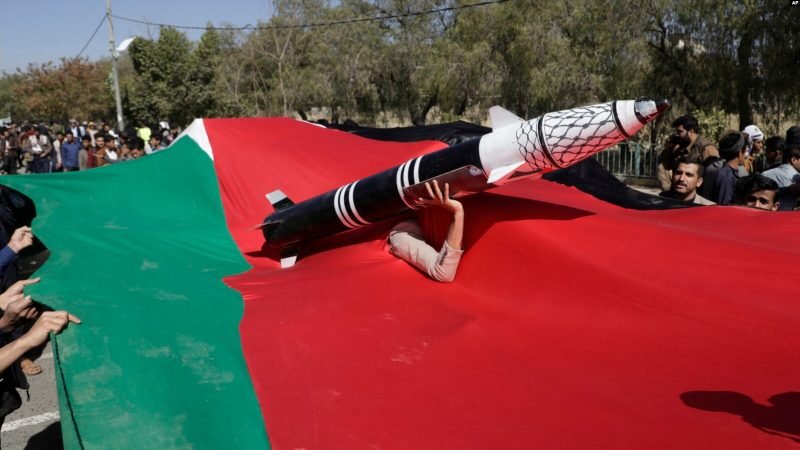
UN calls for the immediate release of detained aid workers as the humanitarian crisis in Yemen deepens amid increased tensions and political pressure.
Yemen’s Houthi rebels have detained an additional seven UN employees, escalating their targeting of aid workers amid one of the world’s worst humanitarian crises. UN Secretary-General António Guterres condemned the detentions, urging their “immediate and unconditional” release and warning of the dire consequences for millions of vulnerable Yemenis.
The recent arrests add to a troubling pattern of Houthi actions against humanitarian organizations. Since mid-2022, dozens of aid workers from UN agencies and other NGOs have been detained by the Iran-backed rebels. This has severely hampered relief efforts in a country where over 18 million people rely on aid for survival, according to the UN.
Guterres underscored the impact of the detentions, stating that they “negatively affect our ability to assist millions of people in need in Yemen.” Following the latest incidents, the UN has suspended all official movements in Houthi-controlled areas, further disrupting aid delivery in regions suffering from acute food shortages, lack of medical care, and widespread displacement.
The Houthis’ actions come amid heightened tensions following US President Donald Trump’s decision to relist the group as a foreign terrorist organization. This designation, part of Trump’s broader Middle East strategy, could restrict US funding for UN and NGO operations in Yemen, compounding the already dire situation.
Analysts suggest the detentions are a calculated move by the Houthis to leverage international pressure against the US designation. Mohammed al-Basha, a risk advisor, described the arrests as an “expected reaction,” aimed at forcing the international community to influence the Trump administration’s policies.
The timing is also significant, as the Houthis have recently made conciliatory gestures following a ceasefire in Gaza, where the group had launched attacks in solidarity with Palestinians. These gestures, including the release of a 25-member international ship crew, signal a strategic balancing act by the Houthis as they navigate domestic and international pressures.
The Houthis’ actions against aid workers are part of a broader pattern of abuses, including arbitrary detentions, kidnappings, and torture, as reported by human rights organizations. In June, the group detained 13 UN staff, including members of the Human Rights Office, and over 50 NGO personnel, accusing them of espionage—a claim dismissed by the UN as baseless.
In August, the Houthis forcibly seized control of the UNHCR office, confiscating documents and property before returning them later that month. Such incidents highlight the group’s ongoing attempts to undermine international humanitarian efforts while maintaining control over aid operations in their territory.
The detentions underscore the challenges facing aid organizations in Yemen, where the conflict between the Houthis and a Saudi-led coalition has created a protracted humanitarian disaster. Although hostilities have subsided since a UN-brokered ceasefire in 2022, the situation remains volatile, with millions of civilians caught in the crossfire.
The Houthis’ actions also risk alienating international donors and agencies, potentially exacerbating the humanitarian crisis. As Guterres noted, targeting aid workers not only undermines relief efforts but also erodes trust in a region desperate for stability and support.
While the UN works to secure the release of the detained workers, the broader challenge remains ensuring the safety and effectiveness of humanitarian operations in Houthi-controlled areas. This will require sustained international pressure on the Houthis, as well as diplomatic efforts to address the underlying political and security issues fueling the conflict.
The fate of the detained aid workers serves as a grim reminder of the complexities and human cost of Yemen’s ongoing war, and the urgent need for a coordinated global response to alleviate suffering in the region.

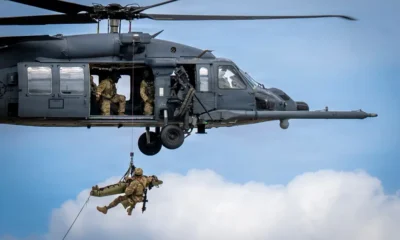











Inside a Combat Search and Rescue Mission: How the U.S. Hunts for Downed Aircrews.
Somewhere over hostile territory, a pilot ejects. Within minutes, a clock starts ticking—one measured not in hours, but in survival.
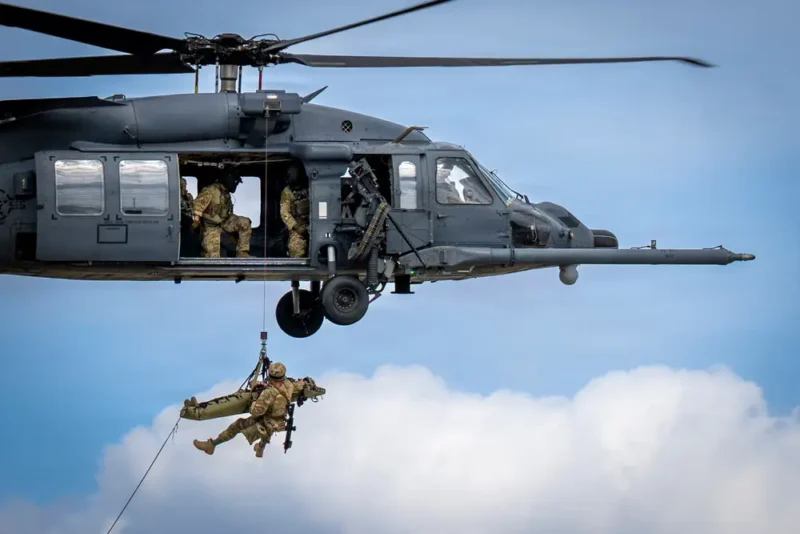
When a U.S. combat aircraft goes down, the response is immediate and layered. According to retired Air Force Special Operations veteran Wes Bryant, the mission unfolds in two parallel tracks: locate the aircrew and secure the rescue itself.
The first task is intelligence.
Every available asset is activated—satellites, surveillance aircraft, signals intelligence, and, where possible, human sources on the ground. The goal is simple but urgent: pinpoint the exact location of the pilot before enemy forces do. In hostile territory like Iran, that effort becomes exponentially more difficult due to limited local partnerships and restricted access.
The second task is protection.
Rescue forces—often including helicopters such as HH-60 Pave Hawks—must enter contested airspace to extract the crew. These aircraft fly low and slow, making them vulnerable to even basic weapons like rifles or rocket-propelled grenades. Without full air superiority, each movement carries significant risk.
By the third layer of this operation, the challenge becomes strategic.
Unlike past conflicts in places like Afghanistan or Iraq, where U.S. forces had ground presence or allied units to help secure landing zones, missions over Iran lack that support. There are no reliable partner forces to “cordon and secure” the area, meaning rescue teams must operate with minimal backup in hostile territory.
That absence changes everything.
Rescue missions become slower to plan, riskier to execute, and more dependent on precise intelligence. Any delay increases the likelihood that enemy forces—or even civilians incentivized by rewards—could locate the pilot first.
There is also a political dimension.
If a pilot is captured, the situation shifts from military operation to strategic crisis. Prisoners of war carry significant leverage, particularly in conflicts where domestic pressure to recover personnel is high. Bryant notes that such a scenario could quickly alter the broader trajectory of the conflict, forcing negotiations or recalibrations.
Historically, the U.S. military has treated pilot recovery as a top priority—often pausing wider operations to focus resources on extraction. That doctrine reflects both operational necessity and political reality.
But the current conflict is exposing limits.
The downing of an advanced aircraft suggests that Iran retains capable air defenses, challenging assumptions about U.S. control of the skies. That, in turn, raises questions about how future missions will be planned—and whether risk assessments have kept pace with evolving threats.
There are competing pressures.
Continue operations and maintain momentum, or pause and reassess exposure to risk. In practice, commanders must balance both—protecting forces while sustaining strategic objectives.
What remains constant is the urgency.
Combat search and rescue is not just a mission—it is a race against time, terrain, and adversaries. Every decision carries consequences, not only for the individuals involved, but for the broader conflict itself.
Because in modern warfare, the fate of a single pilot can reshape strategy far beyond the battlefield where they fell.
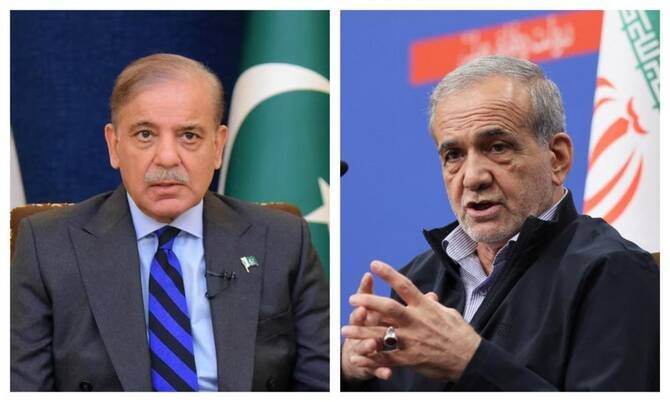
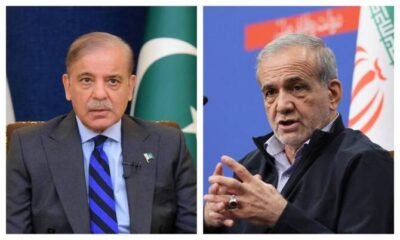
Pakistan-Led US-Iran Ceasefire Push Stalls as Tehran Rejects Talks.
In Islamabad, the diplomatic track has gone quiet.
What began as a coordinated push by regional powers to broker a ceasefire between the United States and Iran has stalled, with mediators now acknowledging that talks have reached a dead end. Iran has declined to meet U.S. officials in Pakistan, rejecting Washington’s terms as unacceptable and effectively halting momentum toward negotiations.
The breakdown is not sudden—it reflects deeper structural divisions.
By the third layer of this effort, the problem becomes clear: there is no shared baseline for talks. Iran has set conditions that go far beyond a conventional ceasefire framework, including demands for reparations, a U.S. military withdrawal from the region, and guarantees against future strikes.
For Washington, such terms are unlikely to be negotiable. For Tehran, they are presented as prerequisites, not bargaining points.
That gap leaves little room for immediate progress.
Regional mediators are now scrambling to keep the process alive. Turkey and Egypt are exploring alternative venues, including Doha and Istanbul, in an effort to reset the format. But even the question of location has become complicated.
Qatar—often a central diplomatic intermediary in regional crises—has reportedly signaled reluctance to take on a leading mediation role this time. The hesitation reflects both political calculation and exposure: Doha itself has faced Iranian-linked threats during the conflict, raising the risks of deeper involvement.
That fragmentation among mediators is as significant as the disagreement between the primary parties.
There are also competing narratives shaping the diplomatic space. Donald Trump has suggested that Iran sought a ceasefire—an assertion Tehran has publicly denied. Such contradictions complicate trust, making even preliminary engagement more difficult.
Meanwhile, the war continues to evolve on the ground. Military operations persist, economic pressure is intensifying, and strategic chokepoints remain contested. In that environment, diplomacy is not operating in isolation—it is being shaped, and constrained, by ongoing escalation.
There are gray areas as well. Iran’s refusal to meet in Islamabad does not necessarily close the door entirely. It may reflect tactical positioning—an attempt to shift leverage, alter terms, or force a different negotiation structure. Similarly, U.S. silence on concessions leaves open questions about how flexible Washington is prepared to be.
But the immediate reality is clear: momentum has been lost.
What this moment reveals is not just a failed round of talks, but the limits of mediation in a conflict where core objectives remain fundamentally opposed. Ceasefires require convergence—on timing, terms, or at least shared urgency. None of those conditions appear to exist yet.
The longer that remains the case, the more diplomacy becomes reactive rather than decisive.
And as mediators search for new venues and new frameworks, the war continues to define the terms under which any future negotiation will have to take place.
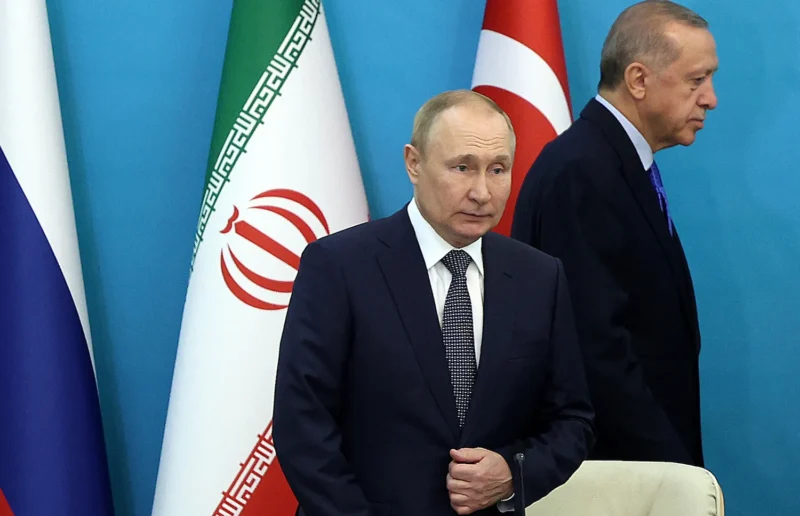
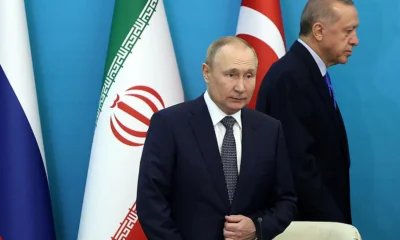
Putin and Erdogan Call for Immediate Middle East Ceasefire as War Ripples Globally.
The call came as the war’s consequences spread far beyond its original battlefield.
In a conversation framed by urgency, Vladimir Putin and Recep Tayyip Erdogan urged an immediate ceasefire in the Middle East, warning that continued fighting is no longer just a regional crisis—but a global one.
Their message reflects a growing reality: the conflict, triggered by U.S.-Israeli strikes on Iran, is now reshaping energy markets, trade routes, and security calculations across multiple regions.
By the third layer of this diplomatic move, the timing is as significant as the substance. Moscow and Ankara are not only calling for peace—they are positioning themselves as necessary actors in any eventual settlement. The emphasis on “legitimate interests of all states” suggests an attempt to frame negotiations in broader, multi-polar terms rather than a U.S.-led process.
That framing aligns with both countries’ strategic goals.
For Russia, the war has created both opportunity and risk. Rising energy prices have strengthened its export revenues, but prolonged instability threatens global demand and complicates its own security environment. For Turkey, the stakes are equally high. As a regional power straddling Europe and the Middle East, it faces direct exposure to economic disruption and migration pressures.
Energy security sits at the center of their concerns.
The leaders discussed the need to protect infrastructure in the Black Sea region, including the TurkStream gas pipeline, which supplies gas to parts of Europe. Recent drone activity targeting the pipeline underscores how interconnected the conflicts have become—linking the war in Ukraine with broader regional instability.
There are competing narratives around those incidents. Russia accuses Ukraine of targeting energy routes to weaken its economy. Kyiv, in turn, has openly pursued strikes on Russian infrastructure as part of its war strategy. Each side frames its actions as defensive, while the cumulative effect is to increase pressure on shared systems.
That overlap highlights a deeper shift.
The Middle East war and the Ukraine conflict are no longer separate crises. They are interacting—through energy flows, military tactics, and geopolitical alignments—in ways that amplify their impact.
There are also limits to the ceasefire call.
While Russia and Turkey advocate de-escalation, neither has the leverage to impose it. The primary actors—particularly the United States and Iran—remain far apart on core demands. Diplomatic efforts have stalled, and military operations continue.
Still, the appeal carries weight.
It reflects a recognition that the costs of continued escalation are no longer contained. Disruptions to shipping, energy infrastructure, and supply chains are affecting countries far removed from the immediate conflict zone.
The strategic question is whether such calls can translate into action.
For now, they serve as signals—of concern, of positioning, and of an emerging effort to shape the post-war order.
Because in a conflict that is expanding across regions and sectors, ending the fighting is only part of the challenge.
Defining what comes after—and who gets to define it—may prove even more consequential.
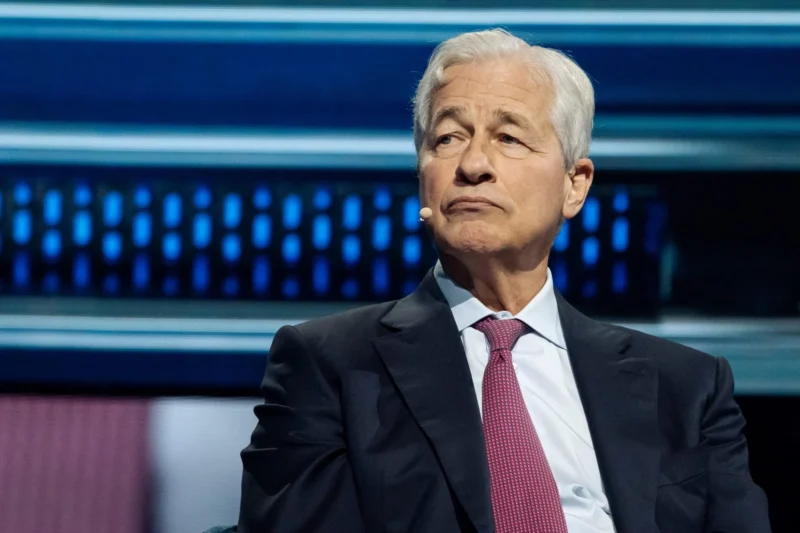
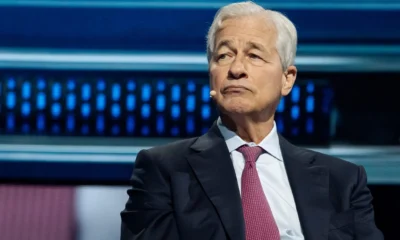
In a rare intervention from Wall Street into wartime strategy, Jamie Dimon offered a blunt assessment: the United States was right to confront Iran—but what comes next remains dangerously unclear.
Speaking as the conflict enters its second month, Dimon argued that Western powers had long tolerated a strategic vulnerability—allowing Iran to exert influence over the Strait of Hormuz, a corridor through which a significant share of the world’s energy flows. That tolerance, he suggested, enabled decades of proxy conflicts across the Middle East.
His argument reframes the war not as a sudden escalation, but as a delayed response to a long-standing imbalance.
By the third layer of this debate, the divide becomes sharper. Supporters of the war see it as a necessary correction—an effort to dismantle a network of influence that has shaped regional instability for decades.
Critics, including analysts at the Brookings Institution, warn that the absence of a clear post-war plan risks creating new crises: refugee flows, energy disruptions, and prolonged instability that could outlast the conflict itself.
That uncertainty is already visible.
Iran’s move to restrict access to Hormuz has sent oil prices higher and exposed how dependent global markets remain on Middle East stability. What began as a military campaign has quickly evolved into an տնտեսական shock, with ripple effects across supply chains and financial systems.
Dimon acknowledges the disruption—but sees a potential payoff. If Iran and its network of regional proxies are significantly weakened, he argues, the result could be a temporary reduction in hostilities and a window for longer-term stability.
The alignment of key actors—including the United States, Saudi Arabia, and the United Arab Emirates—could, in theory, create conditions for a more durable peace.
That view is echoed in parts of the region. Reports indicate that Gulf leaders urged Washington to sustain pressure, framing the conflict as a rare opportunity to reshape regional power dynamics.
But there are competing fears.
Officials in Turkey and elsewhere worry that a collapse of Iran’s central authority could trigger a power vacuum—one that might empower non-state actors and deepen fragmentation across already volatile borders. In that scenario, the war’s end would not bring stability, but a new phase of uncertainty.
The contradiction is central to the current moment.
On one side, a strategic logic: remove a long-standing source of instability and reset the regional balance. On the other, a structural risk: dismantling a system without a clear replacement can produce outcomes that are harder to control.
Dimon’s position sits between those poles. He supports the rationale for the war, but implicitly acknowledges the limits of military success without political follow-through.
The question is no longer whether the war was justified.
It is whether its outcome can be managed.
Because in conflicts like this, the decisive phase often comes after the fighting slows—when the vacuum left behind must be filled, and when the cost of uncertainty can exceed the cost of war itself.
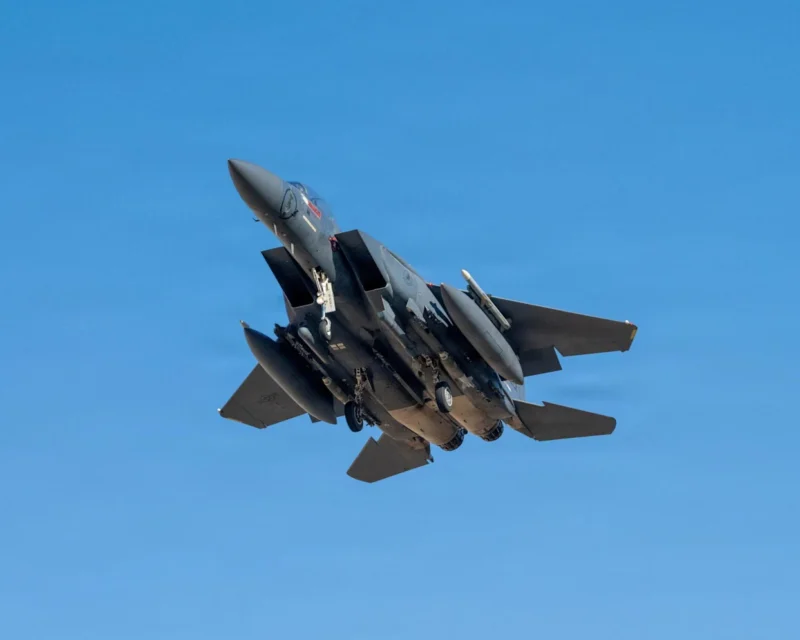
Low over Iranian terrain, rescue aircraft cut across the sky—fast, deliberate, and exposed. The mission was clear: find the crew before someone else does.
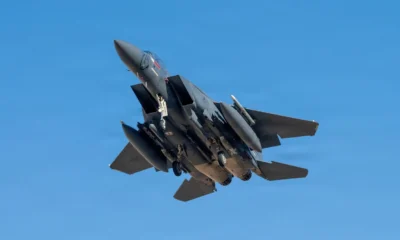
A U.S. F-15E Strike Eagle has been shot down over Iran, marking the first confirmed loss of an American fighter inside Iranian airspace since the war began. U.S. officials, speaking off the record, acknowledged the incident as search-and-rescue operations intensified to locate the two crew members believed to have ejected.
The downing represents a turning point. Until now, U.S. air operations had avoided direct aircraft losses over Iran, reinforcing a perception of air dominance. That assumption is now under strain.
By the third layer of this event, the implications extend beyond a single aircraft. The loss signals that Iran’s air defense network—whether through existing systems or newly deployed capabilities—can impose real costs on U.S. operations. Even if isolated, the incident forces a reassessment of risk in a campaign built on sustained aerial pressure.
Initial confusion added to the tension. Iranian media first claimed a stealth F-35 Lightning II had been destroyed, before analysts identified debris as belonging to an F-15E. Images circulated showing wreckage fragments, including what appeared to be parts of the aircraft’s tail and an ejection seat consistent with U.S. systems.
Subsequent footage showed C-130 Hercules and HH-60 Pave Hawk aircraft operating at low altitude—strong indicators of a combat search-and-rescue mission. Such operations are among the most sensitive in modern warfare, often requiring rapid coordination under hostile conditions.
There are conflicting accounts about the crew’s fate. Iranian sources suggested at one point that a pilot had been captured, while earlier claims indicated the pilot may have been killed. U.S. officials have not confirmed either outcome, leaving the situation unresolved.
The ambiguity is significant. A captured pilot would introduce a new dimension to the conflict—one that extends beyond military engagement into political and psychological territory. Historically, such incidents have carried outsized impact, shaping public perception and diplomatic pressure.
There are also operational questions. The F-15E, while not a stealth platform, is a highly capable strike aircraft typically deployed with support measures designed to mitigate air defense threats. Its loss suggests either a gap in coverage, an evolution in Iranian tactics, or the inherent risks of operating deep within contested airspace.
At the same time, U.S. Central Command had earlier denied Iranian claims of additional aircraft losses, emphasizing that all other fighters remained accounted for. That distinction matters—it suggests the incident, for now, is isolated rather than systemic.
Still, the strategic effect is immediate. Air campaigns rely not only on capability but on perception. Even a single confirmed loss can alter calculations, both for planners and for adversaries seeking to demonstrate resilience.
For Iran, the downing reinforces a narrative of resistance—proof that it can contest the skies despite sustained bombardment. For the United States, it introduces a new variable: vulnerability in a domain where it has long held the advantage.
The rescue effort now becomes the focal point.
Because in wars like this, the fate of two individuals can quickly become something larger—a symbol, a bargaining chip, or a flashpoint that reshapes the next phase of the conflict.
And as aircraft circle low over hostile ground, the question is no longer just how the jet was lost—but what its loss will trigger next.
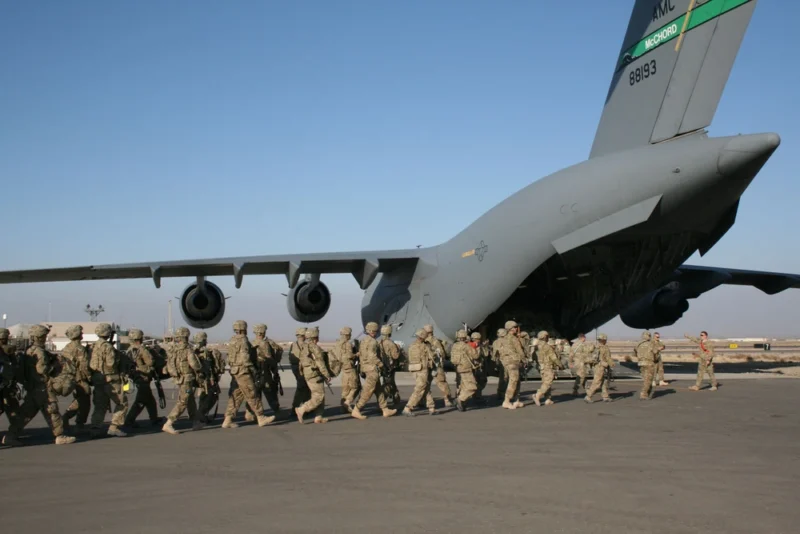
Middle East War Intensifies as Iran Strikes Continue and Hormuz Crisis Deepens.
At dawn on Friday, the region woke not to calm—but to continuity. Sirens sounded again. Missiles were detected again. And across multiple capitals, the war showed no sign of slowing.
Iran launched fresh attacks toward Israel, while Gulf states including Kuwait and Bahrain reported incoming threats, reinforcing a pattern that has come to define this conflict: simultaneous pressure across multiple fronts.
Hours earlier, a strike near Tehran had already shifted the tone. A major bridge—reportedly one of the largest in the region—was hit, killing eight people and injuring dozens who had gathered nearby to celebrate the end of Nowruz, the Persian New Year.
The attack underscored a widening reality: infrastructure and civilian-adjacent areas are increasingly part of the battlefield.
By the third layer of this escalation, the contradiction is stark. Donald Trump insists that Iran’s threat has been largely neutralized and that core objectives are nearing completion. Yet Iran continues to launch missiles, and its military claims it retains hidden stockpiles and operational capacity.
The war, in effect, is advancing on two tracks—declarations of progress alongside evidence of persistence.
Iran’s most effective leverage remains economic. Its disruption of the Strait of Hormuz has sharply reduced shipping traffic, with flows down more than 90% compared to last year. Oil markets have reacted accordingly, with prices surging and global supply chains tightening.
Countries are adapting where they can. Saudi Arabia is rerouting oil through pipelines, Iraq is moving shipments by land, and international coalitions are exploring diplomatic paths to reopen the waterway. But no major power has yet moved to forcibly secure the strait while active fighting continues.
That hesitation reflects the risks. Any direct attempt to reopen Hormuz could escalate the conflict into a broader confrontation involving multiple naval forces.
Meanwhile, the human cost continues to rise. Thousands have been killed across Iran, Israel, Lebanon, and neighboring regions. In Lebanon alone, fighting involving Hezbollah has left over a million displaced, adding another layer to an already fragmented conflict.
There are also signs that the war’s geographic footprint is expanding. Missile threats, drone attacks, and proxy engagements are linking theaters that were once separate, turning localized clashes into a connected regional system.
Still, there is no clear path to de-escalation. Diplomatic efforts are underway, but they remain preliminary. Military operations continue without a defined endpoint. And political messaging on all sides emphasizes strength rather than compromise.
The result is a war that is neither contained nor decisive.
What is unfolding is not a sprint toward resolution, but a gradual entrenchment. Each strike reinforces the next. Each disruption reshapes the stakes.
And as Friday begins much like the days before it—with attacks, responses, and uncertainty—the central question remains unresolved:
Not when the war will end, but how far it will spread before it does.
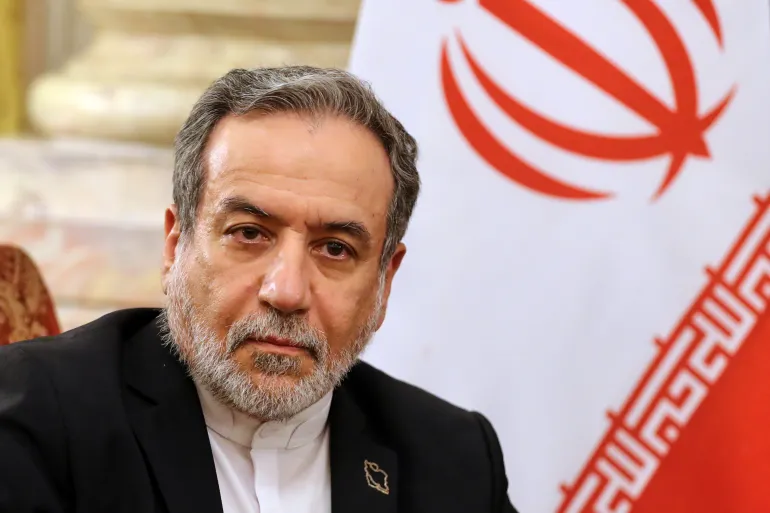
At the United Nations, the tension was visible not in what happened—but in what didn’t. A planned vote on securing the Strait of Hormuz was abruptly postponed, exposing deep divisions over how far the international community is willing to go.
Ahead of the session, Abbas Araghchi issued a warning: any “provocative action” by the Security Council would only escalate the crisis. The message was clear—Tehran views international intervention in Hormuz not as stabilization, but as a potential trigger for wider confrontation.
The draft resolution, introduced by Bahrain and backed by the United States and several affected states, proposed authorizing defensive force to protect commercial shipping. In practical terms, it would have opened the door to multinational naval operations aimed at securing passage through a waterway that remains largely paralyzed.
But the vote never came.
By the third layer of this moment, the postponement reveals more than procedural delay. It highlights a strategic divide among global powers. Countries including Russia, China, and France raised objections to earlier drafts, signaling reluctance to endorse any measure that could legitimize the use of force in an already volatile environment.
That hesitation reflects a broader calculation. Securing Hormuz is not simply a technical task—it carries the risk of direct confrontation with Iran. For some states, the cost of escalation may outweigh the benefits of immediate action.
At the same time, the stakes continue to rise. Since late February, the strait has been effectively shut, disrupting a route that carries a significant share of the world’s oil. Energy markets remain under pressure, and governments are increasingly aware that prolonged disruption could have lasting economic consequences.
For countries backing the resolution, the logic is straightforward: without security guarantees, global trade cannot stabilize. For those opposing it, the concern is equally clear: introducing force into the equation could transform a contained crisis into a broader war.
Iran’s position adds another layer. By framing any Security Council action as “provocative,” Tehran is signaling both deterrence and leverage. It seeks to preserve control over the situation while raising the perceived cost of international intervention.
There are no easy paths forward.
Diplomacy alone has yet to reopen the strait. Military options remain politically and strategically risky. And consensus within the United Nations Security Council—the very mechanism designed to manage such crises—appears increasingly difficult to achieve.
What is unfolding is a test of the international system itself.
Can global powers coordinate under pressure, or will competing interests paralyze decision-making at the very moment collective action is most needed?
For now, the delay answers that question—at least temporarily.
And as the vote is pushed back with no new date, the ships remain stalled, the markets remain tense, and the conflict continues to define the limits of international response.
Explosions Rock Tehran as Iran and Israel Trade Missiles in Intensifying War.
In Tehran, windows rattled before dawn. Residents stepped into streets filled with smoke, unsure what had been hit—only that the strikes were closer, louder, and more sustained than before.
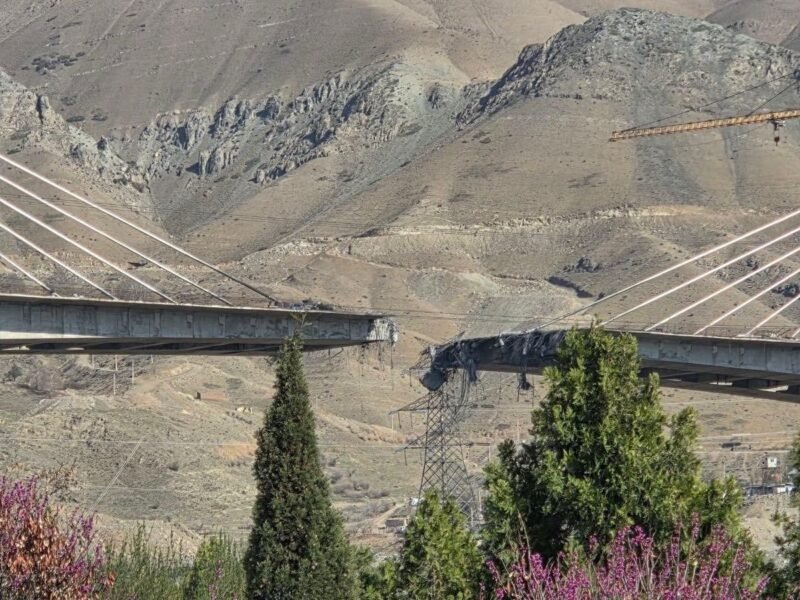
On the 34th day of the war, powerful explosions struck multiple across the Iranian capital and nearby Karaj, where an airstrike reportedly destroyed a major highway bridge linking the two cities. The structure, described by local media as one of the largest in the region, had only recently opened—its loss signaling a shift toward infrastructure targets with immediate civilian and logistical impact.
Simultaneously, smoke rose near Mashhad after a strike hit an oil facility, while reports from Ahvaz, Shiraz, and Qeshm Island pointed to a widening campaign against military and industrial sites. The scale was notable: Israeli officials said roughly 15 weapons-related locations in central Tehran were targeted, part of a broader effort to degrade Iran’s production capacity.
By the third layer of this escalation, the pattern is unmistakable. The war is no longer confined to symbolic or strategic targets—it is moving deeper into the systems that sustain both military operations and civilian life.
Iran responded quickly. Missiles were launched toward Tel Aviv and surrounding areas, with Israeli authorities confirming multiple barrages within hours.
Air defense systems intercepted several projectiles, but fragments fell across central regions, including near Beit Shemesh, causing damage and minor injuries. Sirens also sounded in northern Israel after rockets were detected from Lebanon, while a separate missile launched from Yemen was intercepted mid-flight.
The tempo is accelerating. Four Iranian attacks were recorded within a six-hour window, underscoring Tehran’s ability to sustain repeated strikes despite weeks of bombardment.
There are signs of tactical evolution. Israeli media reported the possible use of cluster-style munitions—exploding mid-air and dispersing smaller projectiles—contributing to wider damage patterns even when interception systems succeed. Both sides have previously accused each other of employing such weapons, adding another layer of controversy to an already complex battlefield.
At the same time, the scale of U.S. involvement is becoming clearer. U.S. Central Command stated that more than 12,300 targets have been struck inside Iran since the conflict began, including over 150 vessels. The objective, officials say, is to dismantle Iran’s security apparatus and neutralize immediate threats.
Iran’s response has shifted in tone as well as action. Military leaders have vowed “crushing” and more expansive retaliation following threats from Donald Trump to escalate strikes further. The language suggests preparation not just for continuation, but for intensification.
There are, however, limits to what either side has achieved so far. Despite sustained strikes, Iran continues to launch missiles across multiple fronts. Despite repeated interceptions, Israeli territory remains exposed to residual damage. Each side demonstrates capability—neither delivers a decisive break.
What is changing is the nature of the targets. Infrastructure, transport links, and energy facilities are increasingly in focus. These are not just military objectives—they are pressure points designed to disrupt daily life and strain national resilience.
The strategic trajectory is clear: escalation without resolution.
As strikes deepen and responses multiply, the conflict is shifting from contained exchanges to a broader war of endurance—where the question is no longer how hard each side can hit, but how much damage each can absorb.
And with every bridge destroyed and every missile launched, that threshold moves further away from any quick end.

Behind Enemy Lines—The High-Risk Race to Save a Downed Pilot

War Grounds Gulf Giants as Western Airlines Seize the Routes

Why Arab Security Dreams Collapse Under Reality


-
 TECH2 weeks ago
China Bets on an AI-Powered Military Future
-
 US-Israel war on Iran2 weeks ago
Waves of Mystery Drones Breach U.S. Nuclear Base Airspace
-
 Terrorism6 days ago
Egypt Uncovers Alleged Plan to Down Presidential Plane
-
 US-Israel war on Iran2 weeks ago
Saudi Arabia Warns of Military Action After Iranian Missile Strike
-
 US-Israel war on Iran2 weeks ago
Former CIA Chief Blames White House for Escalating Iran War Crisis
-
 Top stories1 week ago
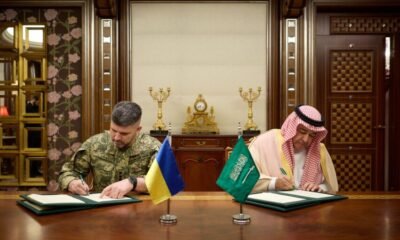
Saudi Arabia Deepens Defense Ties with Ukraine
-
 US-Israel war on Iran2 weeks ago
Iran’s Guard Leadership Hit Hard in Escalating Strikes
-
 Analysis2 weeks ago
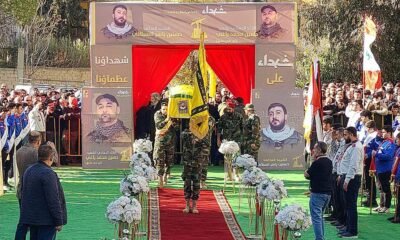
Inside the IRGC’s Quiet Rebuild of Hezbollah