Iran Missile Strikes Continue as Trump Claims Tehran Threat Is Nearly Eliminated.
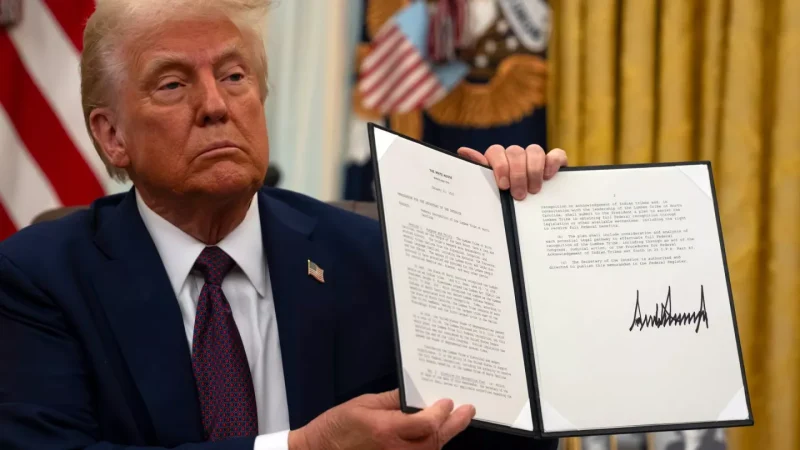
Explosions echoed across multiple cities just as Donald Trump addressed the American public, declaring that Iran was “no longer a threat.” Minutes later, missiles were already in the air.
On Thursday, Iran launched fresh strikes against Israel and Gulf states, underscoring a stark contradiction between political messaging and battlefield reality. Air defenses activated across the region—from Israel to Bahrain—while reports confirmed continued attacks even as Washington framed the war as nearing its strategic conclusion.
The sequence matters. It reveals a conflict operating on two tracks: narrative control and operational persistence.
By the third layer of this escalation, the gap is widening. Trump insists that U.S. and Israeli strikes have significantly degraded Iran’s capabilities. Tehran, however, signals the opposite—pointing to what it claims are intact stockpiles, hidden facilities, and an ongoing capacity to strike across multiple fronts.
The result is not clarity, but strategic ambiguity.
Iran’s approach appears calibrated. Rather than overwhelming force, it is sustaining pressure—targeting regional adversaries, disrupting shipping, and maintaining a tempo that signals resilience. Its most effective lever may not be missiles alone, but control over the Strait of Hormuz, where shipping traffic has dropped dramatically and energy markets remain under strain.
That economic dimension is now central. Oil prices have surged, supply chains are tightening, and countries far from the conflict are absorbing the cost. Even partial disruption has proven enough to reshape global energy flows, with some producers rerouting exports and others seeking alternatives altogether.
At the same time, the battlefield is expanding. In Lebanon, fighting involving Hezbollah continues alongside Israeli operations, while Gulf states remain exposed to Iranian strikes despite not being direct participants in the war. Casualty figures across multiple fronts continue to rise, reflecting a conflict that is both regional and fragmented.
There are also limits to what military action has achieved so far. Iranian officials argue that key facilities hit by U.S. strikes were “insignificant,” suggesting that core capabilities remain intact. Independent verification remains difficult, but the persistence of attacks reinforces the perception that Iran retains operational depth.
Meanwhile, international efforts to stabilize the situation remain cautious. Dozens of countries are exploring diplomatic pathways to reopen shipping routes, yet no major power has moved to forcibly secure the strait while active conflict continues. The risk of escalation remains too high.
The strategic contradiction is now unavoidable. Washington presents a narrative of nearing success. The battlefield presents a pattern of continued engagement.
That tension defines the current phase of the war.
If Iran can continue to strike while maintaining economic leverage through disrupted trade routes, it preserves influence even under sustained attack. If U.S. and Israeli operations intensify without delivering a decisive outcome, the conflict risks shifting into a prolonged phase of managed escalation.
The question, then, is not whether the threat has been reduced.
It is whether it has simply changed form—less visible, more distributed, and potentially harder to eliminate.
And in that shift, declarations of victory may arrive long before the war itself is ready to end.