Minister Kahin’s Bold Stance Against Opposition and Celebration of Cultural Heritage
In a powerful ceremony in Hargeisa, Somaliland’s Minister of Internal Affairs and Kulmiye Party chairman, Mohamed Kahin Ahmed, praised poet Abdi Iidaan Farah and criticized the Waddani Party’s detrimental actions against national security. Learn about his compelling speech and the political landscape of Somaliland.
HARGEISA, SOMALILAND — In a ceremony filled with cultural reverence and political intensity, Minister of Internal Affairs and chairman of the Kulmiye Party, Mohamed Kahin Ahmed, paid homage to the late poet Abdi Iidaan Farah while delivering a scathing critique of the Waddani Party. The event took place in the heart of Hargeisa, where Minister Kahin seized the opportunity to intertwine the nation’s cultural pride with its current political struggles.
Minister Kahin began his address by honoring Abdi Iidaan Farah, a revered poet whose legacy has profoundly impacted Somaliland’s cultural heritage. Farah, who passed away years ago in Hargeisa, was celebrated for his literary contributions that continue to inspire the nation. Kahin lamented that neither the book about Farah nor the ceremony had received the recognition they deserved, highlighting the need to cherish and promote Somaliland’s cultural icons.
Transitioning to the political sphere, Minister Kahin directed his ire towards the Waddani Party, accusing them of undermining national security and obstructing vital governmental processes. He emphasized the importance of distinguishing between nationalism and political ideologies, reminding the audience of Somaliland’s commendable election processes that have garnered international recognition since 2002.
Minister Kahin’s speech took a more intense tone as he addressed the ongoing delays in the national budget approval, attributing the impasse to Waddani Party candidate Abdirahman Abdullahi Irro and the chairman of the Kaah association, Mahmoud Hashi. He accused them of blocking salaries for national forces, a move that has severe implications for the nation’s security and well-being. Kahin vowed to expose the opposition’s tactics and shared that there is documented evidence of their disrespect towards national forces.
Drawing from historical examples, Kahin recounted the third president of Somaliland, Dahir Riyale Kaahin’s visit to Lascanod amidst unrest, where opposition from the Kulmiye Party was set aside for the national interest. He contrasted this with the Waddani Party’s actions, accusing them of sending troops to Gacan Libah mountain, resulting in tragic losses for the Somaliland forces.
Minister Kahin didn’t hold back in his personal attacks on Mahmoud Hashi, revealing past corrupt practices during his tenure in the previous government. He alleged that Hashi misappropriated funds meant for national projects. This revelation was met with widespread applause, underscoring the public’s support for Kahin’s transparency and accountability.
Kahin reminisced about his own history as a fighter in the Somali National Movement (SNM), particularly his role in the liberation of Somaliland, reinforcing his commitment to national service. He praised Faisal, the chairman of the Ucid party, for his constructive criticism that does not undermine national unity, contrasting it with the divisive tactics of the Waddani Party.
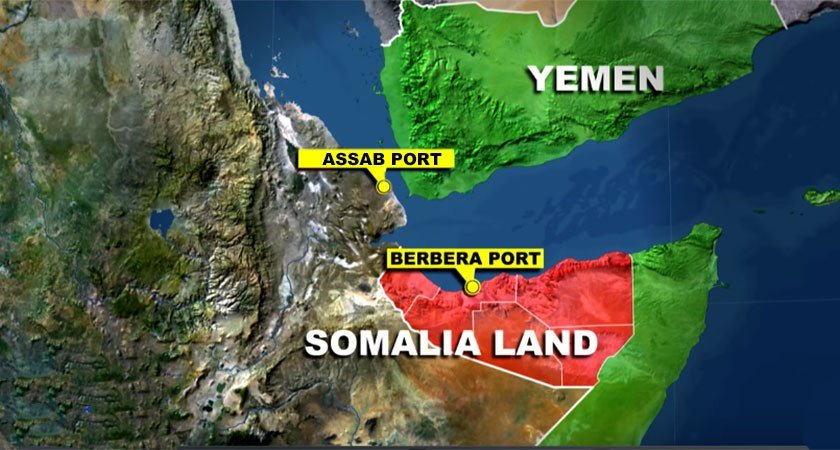
Minister Kahin concluded his speech by urging the youth to learn and honor their history, reinforcing the importance of national unity. He reassured the public that the Kulmiye Party and the current government are committed to peace and cooperation with nations that respect Somaliland’s sovereignty, such as Ethiopia, despite Somalia’s opposition.
In closing, Minister Kahin reiterated the government’s readiness for the upcoming elections and announced the purchase of 1,000 copies of the book on Abdi Iidaan Farah as a gesture of cultural appreciation. His speech, marked by passion and conviction, highlighted the stark contrasts between the Kulmiye Party’s vision for Somaliland and the Waddani Party’s contentious actions.
In a surprising turn, Minister Kahin hinted at releasing further evidence against the opposition, promising to unveil videos and documents that would expose the Waddani Party’s continual disrespect towards national forces. This revelation has the potential to shift the political landscape significantly, as Kahin’s disclosures could sway public opinion further in favor of the Kulmiye Party.
In conclusion, Minister Mohamed Kahin Ahmed’s speech in Hargeisa serves as a pivotal moment in Somaliland’s political narrative. By blending cultural homage with a robust critique of opposition parties, Kahin reasserted the Kulmiye Party’s commitment to national unity and transparency. As the political climate intensifies, the people of Somaliland are left to contemplate the future leadership of their nation.