Somali Piracy Is Returning — This Time With a More Dangerous Regional Dimension
Piracy is again rising off the Somali coast, but the threat emerging in 2026 is potentially more dangerous than the ransom-driven crisis of a decade ago.
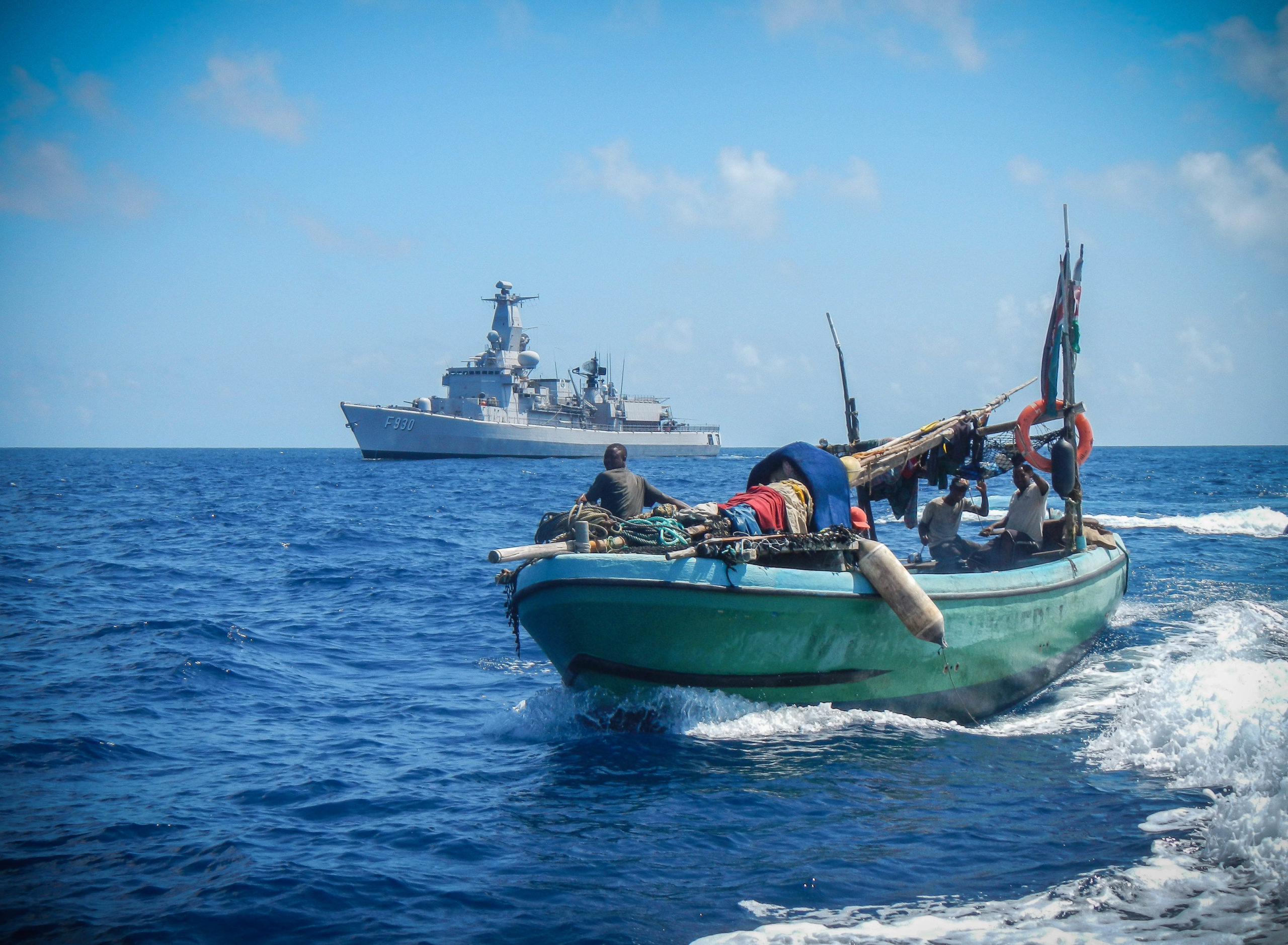
The International Maritime Organization recorded 24 attempted or actual piracy and armed-robbery incidents in the Red Sea and Gulf of Aden during a three-month period ending in July, while 44 seafarers were being held aboard three hijacked vessels. EUNAVFOR’s Operation Atalanta has separately reported a sharp increase in piracy incidents since April.
The worrying development is not simply the number of attacks.
It is the possibility that traditional Somali piracy is becoming connected to the wider military confrontation stretching from Yemen to Iran.
The Houthi–Al-Shabaab Connection Is Real
United Nations investigators have documented increasing cooperation between Yemen’s Houthis and al-Shabaab.
A 2025 UN report said al-Shabaab representatives sought advanced weapons and training from Houthi representatives and, in return, were expected to increase piracy against commercial shipping. A separate UN investigation found evidence of weapons transfers, smuggling networks and Houthi training of al-Shabaab personnel in drone technology and sophisticated explosives.
That does not prove that the Houthis command Somali pirate groups or directed every recent hijacking.
But it creates a dangerous overlap between three different networks: Houthi strategic warfare, al-Shabaab militancy and profit-driven Somali piracy.
The American Security Project argues that piracy gives the Houthis an indirect advantage: commercial shipping can be disrupted in the Gulf of Aden without the Houthis themselves accepting the risks of launching another full-scale campaign through Bab el-Mandeb.
That is what makes the current resurgence different.
Pirates Are Exploiting a Regional Security Vacuum
Operation Atalanta says instability elsewhere in the region is creating opportunities for pirates as naval and commercial attention is divided.
On July 1, armed attackers carrying assault rifles and RPGs targeted the bulk carrier Golden Arsenal roughly 110 nautical miles northeast of Bosaso before an international naval response helped secure the ship.
At the same time, the confrontation around Hormuz and continued Red Sea insecurity have altered shipping patterns and stretched maritime-security resources.
For pirates, that means opportunity.
For the Houthis or al-Shabaab, it potentially means something more useful: another source of pressure on international shipping that is difficult to attribute or deter.
WARYATV Assessment
The Gulf of Aden could be moving from a traditional piracy problem toward a hybrid maritime-security threat.
Somali pirates still have a powerful financial motive. Ransoms remain central to their business model, and poverty, weak coastal governance and favorable conditions continue to explain much of the resurgence.
But the strategic environment around them has changed.
If pirate networks gain better intelligence, weapons, communications technology or logistical assistance through militant networks linked to Yemen, the consequences would extend far beyond hostage-taking.
Commercial vessels could face threats from missiles and drones on one side of the Gulf of Aden and increasingly capable pirate groups on the other.
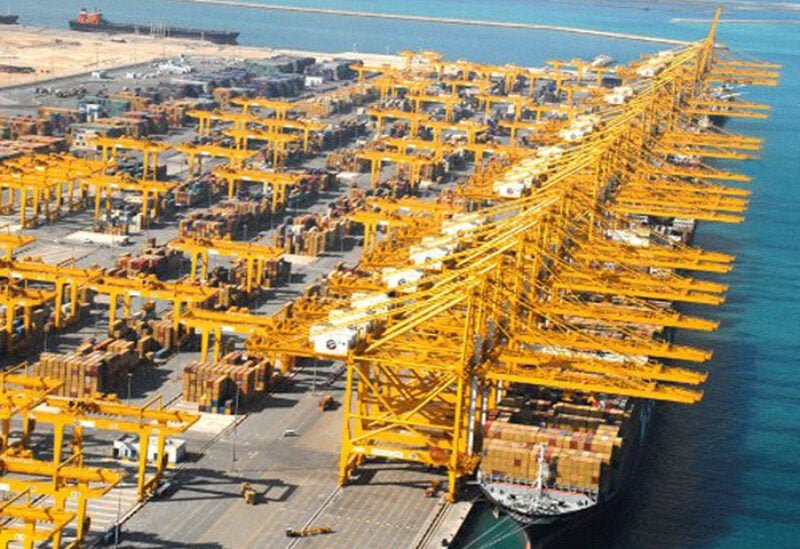
For Somaliland, this development also matters directly. Berbera sits on the same maritime artery. The ability to secure Somaliland’s coastline, share maritime intelligence and protect commercial shipping could become an increasingly valuable part of Hargeisa’s strategic argument to Washington and other security partners.
WARYATV Bottom Line
The return of Somali piracy should not be dismissed as the revival of an old criminal industry.
The danger is that an old threat is entering a new geopolitical ecosystem.
The Houthis, al-Shabaab and Somali pirates do not need to become one organization to create serious disruption. Transactional cooperation alone could be enough.
If that convergence deepens, the Gulf of Aden will no longer face separate problems of piracy, terrorism and regional warfare.
It will face all three at once.