Turkey-Iran Relations Hold Steady Amid War Tensions and Fragile Ceasefire.
Relations between Turkey and Iran are once again being tested—but not broken—by the geopolitical shockwaves of the 2026 war and its fragile ceasefire. What is emerging is not a rupture, but a carefully managed balancing act shaped by necessity more than trust.
At the political level, engagement has remained active. Recep Tayyip Erdogan moved quickly to establish contact with Iran’s leadership following the transition to Mojtaba Khamenei, signaling Ankara’s priority: stability over confrontation. Publicly, Erdogan has framed diplomacy as the only viable path forward, warning that continued escalation risks igniting the entire region.
Behind that message lies a clear strategic calculation. Turkey cannot afford chaos on its eastern flank. A weakened or fragmented Iran could unleash consequences Ankara has long sought to avoid—refugee flows, renewed Kurdish militancy, and a destabilized border environment stretching into Iraq and Syria.
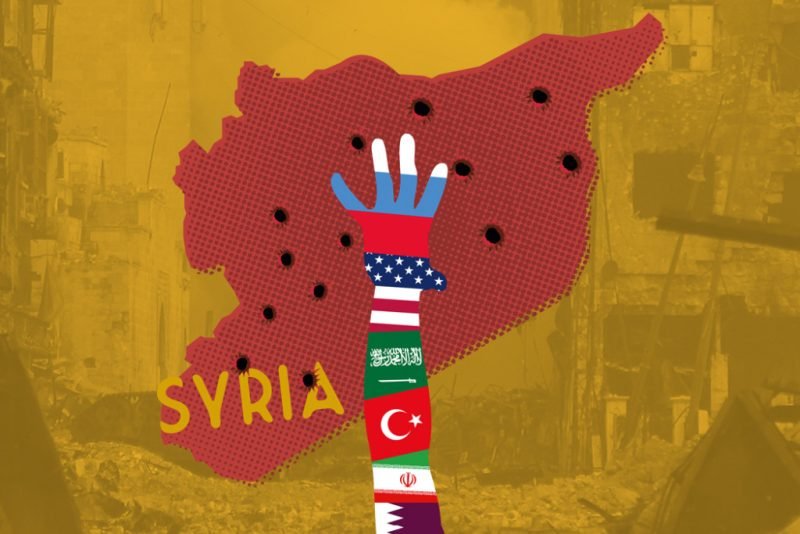
Yet cooperation has limits. The relationship remains defined by underlying rivalry. In Syria, the two countries back competing visions of the post-war order. In Iraq, their interests overlap uneasily. And across the region, both seek influence in shaping the next phase of Middle Eastern politics.
Recent incidents highlight the tension. Turkish-linked air defenses, operating within the framework of NATO, intercepted Iranian missiles that entered or approached Turkish airspace during the early stages of the conflict. Ankara responded with formal protests, but stopped short of escalation—a signal that containment, not confrontation, remains the priority.
Economic realities reinforce that restraint. Bilateral trade—driven largely by energy—continues to bind the two countries. Turkey depends on Iranian natural gas and oil, making any sudden rupture economically costly. At the same time, disruptions in the Strait of Hormuz have already strained Ankara’s energy security, sharpening its interest in de-escalation.
In this context, Turkey has quietly positioned itself as a potential intermediary. It has conveyed messages between Tehran and Washington, while coordinating with regional actors such as Pakistan to support diplomatic efforts. This dual-track approach—maintaining ties with both sides—reflects Ankara’s broader foreign policy strategy: remain indispensable to all, aligned fully with none.
For now, that strategy is holding.
But the balance is fragile. Any major escalation between the United States and Iran would force Turkey into harder choices—between alliance commitments, regional ambitions, and domestic security concerns.
The relationship, then, is best understood not as stable, but as managed. Turkey and Iran are not partners in any traditional sense. They are strategic neighbors—bound by geography, divided by ambition, and united, for the moment, by a shared interest in preventing the region from tipping into something far worse.