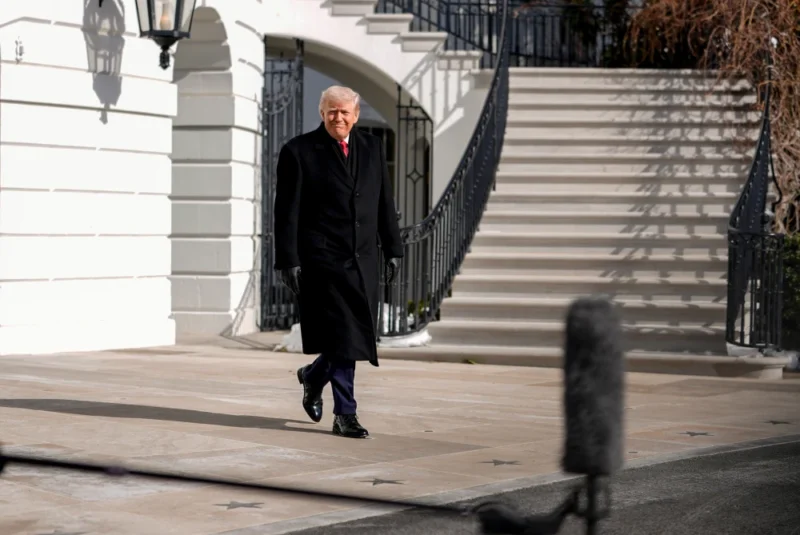
The U.S. refugee resettlement program, once a bipartisan pillar reflecting America’s commitment to human rights, stands at a critical juncture as President-elect Donald Trump prepares to take office. With Trump’s historical stance of drastically curtailing refugee admissions, communities and agencies are scrambling to adapt, fearing a return to restrictive policies that could leave thousands stranded and families separated.
Under President Biden, the refugee program rebounded significantly, admitting approximately 100,000 refugees in the past fiscal year—the highest number in decades. This revival came after the Trump administration slashed admissions to record lows, citing national security concerns, particularly for individuals from predominantly Muslim nations.
Biden’s efforts not only restored but improved the program’s efficiency, with expanded vetting processes and increased resettlement infrastructure. Refugees have proven to be an economic asset in industries facing labor shortages, from food processing in North Dakota to logistics in Ohio. However, these advancements are now under threat as Trump signals a renewed focus on limiting all forms of immigration, including the refugee program.
Trump’s proposed policies, outlined in the Project 2025 blueprint, suggest a complete suspension of the refugee program. This strategy frames the move as a response to the “border crisis,” although the refugee program operates under entirely different parameters from irregular border crossings. Refugees undergo years of rigorous vetting, including interviews, medical checks, and security screenings, arriving in the U.S. with lawful status.
Former Trump officials argue for reallocating resources from the refugee program to border security, despite evidence that refugees bolster local economies and fill critical workforce gaps. Critics of these policies contend they are driven more by ideological and political motives than by genuine security concerns.
For refugees and their families, the consequences of these policy shifts are deeply personal. Families like the Alsharifs, who fled Syria’s civil war, have experienced the emotional toll of separation and uncertainty. While some have managed to reunite, others remain in limbo, their futures hinging on political decisions in Washington.
The potential suspension of the program would not only halt new arrivals but also disrupt the fragile reunification process for countless families. Refugee resettlement agencies, which have painstakingly rebuilt their operations since the Trump era cuts, face the possibility of closure, leaving current refugees without essential support services.
Historically, the U.S. refugee program symbolized American leadership in global human rights. Under both Republican and Democratic administrations, refugee resettlement was seen as a moral imperative and a strategic tool for fostering stability abroad. Trump’s initial term disrupted this legacy, with policies that disproportionately targeted refugees from Muslim-majority countries, raising allegations of racial and religious bias.
Now, as the nation prepares for a potential second Trump administration, the refugee program faces an existential threat. Advocates argue that dismantling the program would not only harm vulnerable populations but also erode America’s moral standing and soft power on the global stage.
There are also broader implications for foreign policy and U.S. relations with conflict-affected regions. Refugee admissions have often served as a diplomatic tool, signaling U.S. commitment to resolving global crises. A suspension of the program could undermine these efforts, giving adversaries like China and Russia an opening to expand their influence in humanitarian spheres.
Domestically, restricting refugee resettlement could exacerbate labor shortages in industries that have increasingly relied on refugee workers. Employers in sectors such as agriculture, manufacturing, and retail may struggle to fill positions, impacting economic recovery and growth.
As refugee communities brace for a turbulent future, advocacy groups are urging the incoming administration to recognize the distinction between refugees and other forms of immigration. They argue for maintaining the program as a vital component of U.S. foreign and domestic policy.
Ultimately, the fate of the U.S. refugee resettlement program will serve as a barometer for America’s values and priorities. Will the nation continue to uphold its tradition of offering refuge to the world’s most vulnerable, or will it retreat into isolationism, sacrificing its moral authority for short-term political gains? The decisions made in the coming months will shape not only the lives of countless refugees but also America’s role on the global stage.