Moscow faces a dilemma as Trump’s potential Ukraine peace proposals threaten to unravel Putin’s long-term strategy.
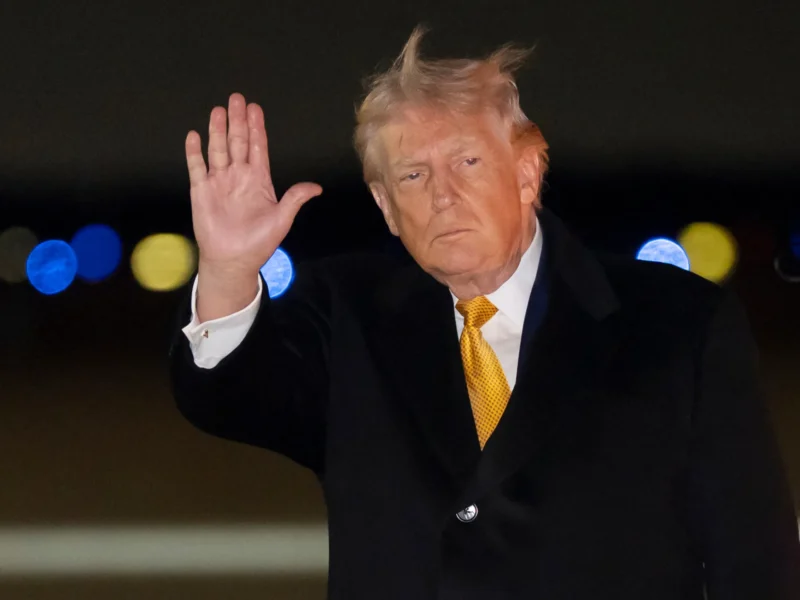
Donald Trump’s potential return to the White House has sparked muted reactions in Moscow, a stark contrast to the Kremlin’s jubilation in 2016. While many in Russia initially saw Trump as a possible ally, his reelection could now pose significant challenges to President Vladimir Putin’s strategy in Ukraine and his broader geopolitical ambitions.
Central to Putin’s strategy is his belief that time and attrition favor Russia in Ukraine. By avoiding concrete peace proposals, Moscow can perpetuate its narrative that the West and Ukraine are unwilling to negotiate, while continuing its military objectives. However, Trump’s victory could disrupt this plan. A Trump-backed peace proposal—regardless of its potential unfairness to Kyiv—would leave Putin with two unappealing choices: accept a deal that halts his war ambitions or reject it, exposing his intransigence and undermining Russia’s credibility with its partners.
Trump’s potential truce proposals could also appeal to Russia’s international allies or its war-weary population, creating internal and external pressures on Putin. If Moscow rejects such offers, it risks alienating parts of the “global majority” it has tried to align with, including nations like India and Latin American countries. Meanwhile, Trump’s interest in recalibrating U.S.-China relations might also test Russia’s fragile partnership with Beijing, further complicating Moscow’s strategic position.
Domestically, Trump’s populist appeal could overshadow Putin’s role as a champion of global conservative and anti-elitist movements. Unlike Putin, Trump’s rhetoric resonates with a broader Western audience, leaving Putin struggling to maintain his relevance in this ideological space.
Most critically, Trump’s re-election challenges Russia’s hopes for a weakened, divided West. While Moscow may have counted on Trump to adopt a more isolationist U.S. foreign policy, any push by Trump for a resolution in Ukraine—whether to claim a diplomatic victory or secure American interests—could force a reckoning in the Kremlin. For Putin, whose primary goal appears to be the complete subjugation of Ukraine, such proposals would jeopardize the fragile status quo.
In essence, Trump’s return could corner Moscow into a geopolitical paradox. A rejection of Trump’s peace overtures could derail Russia’s carefully constructed narrative, while acceptance would signal a loss of control over its long-term ambitions in Ukraine. Either path risks exposing cracks in Putin’s carefully maintained image of strength and strategy, forcing the Kremlin into a more precarious position both domestically and on the world stage.