A slight rise in Somalia’s Global Peace Index score masks deep insecurity, terror threats, and a fragile state still locked near the world’s bottom.
Somalia has inched upward in the Global Peace Index, but the headlines hide a darker truth: the nation remains one of the world’s most unstable states, scarred by insurgency, economic fragility, and creeping foreign meddling.
Ranked 151 out of 163 countries, Somalia posted its best score in nearly two decades—2.983—nudging below the 3.0 mark for the first time. The Institute for Economics & Peace attributes this to a drop in battlefield deaths and a lull in political turbulence. Yet behind the statistics, Somalia is still trapped near the global bottom, in the company of Sudan, Afghanistan, and Yemen.
The metrics are brutal. Somalia scored 3.542 on ongoing conflict and 3.134 on safety and security—numbers that reveal a state still plagued by al-Shabaab, displacement, and terror. The country spends nearly a quarter of its GDP on violence, among the highest ratios on earth, leaving schools and hospitals gutted while security forces struggle to contain rural insurgencies.
WARYATV analysis notes that this fragile uptick comes not from genuine peace, but from exhaustion. Years of war have shifted from all-out urban sieges to a slower burn—raids, bombings, and sporadic offensives. That pattern creates the illusion of progress but leaves Somalia bleeding out economically.
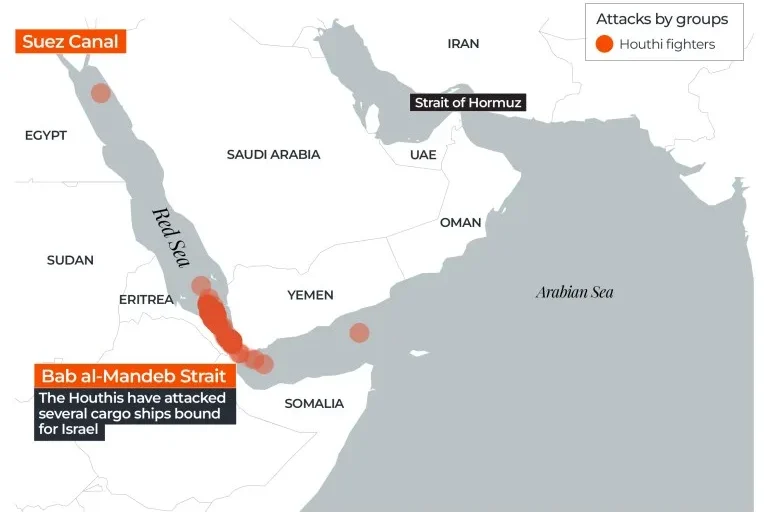
Regionally, the contrasts are stark. Djibouti and Kenya remain far more stable, while Somalia still fights for recognition and control. Ethiopia’s own turmoil risks spilling across borders, but Somaliland—excluded from the index—presents a sharp counterexample: stable, democratic, and ignored by the same global institutions that prop up Mogadishu.
For Western allies, the report carries a warning: Somalia is not recovering—it is stagnating on the edge of collapse. As terror networks expand from the Sahel to the Horn, the illusion of progress may prove deadlier than open war.
[doc id=14606]