Tianjin, China. The world’s largest SCO summit unfolds. Modi, Putin, Xi—side by side. Trump’s tariffs push India and Russia closer to Beijing’s orbit. The message to Washington? A post-U.S. world is no longer theory—it’s taking shape.
The SCO’s Tianjin summit gathers over 20 leaders, including India’s Modi and Russia’s Putin. With Trump’s tariffs straining relations, Beijing seizes the moment to lure its two biggest neighbors closer into its orbit.
China has staged its biggest diplomatic theater yet. Over 20 world leaders, including Russia’s Vladimir Putin and India’s Narendra Modi, converge in Tianjin for what Beijing brands the “largest” Shanghai Cooperation Organization summit since its founding. The message is blunt: America is not invited.
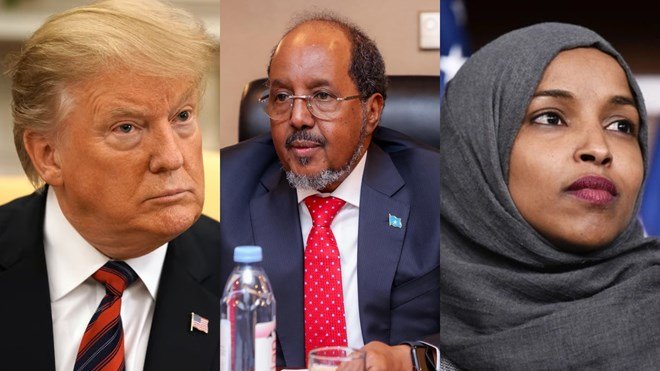
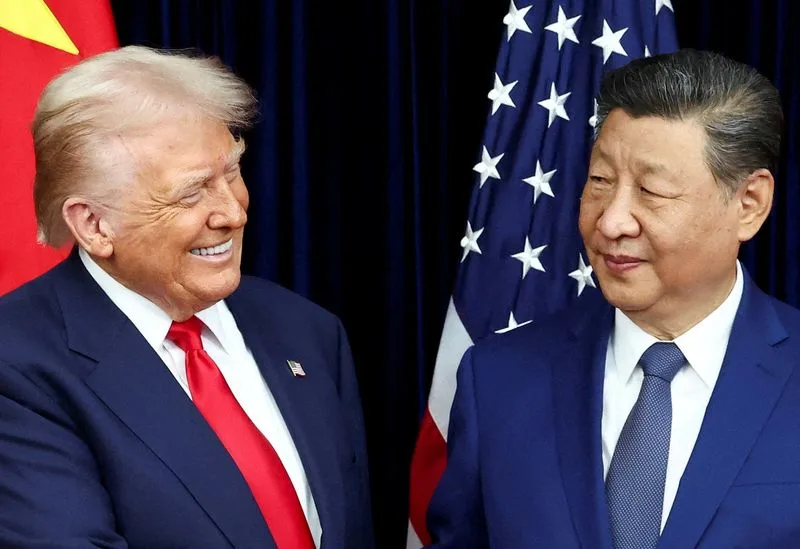
This summit unfolds against the backdrop of Donald Trump’s economic blitzkrieg. His tariffs hammer BRICS nations hardest—145% on China, 50% on India, 30% on South Africa—forcing old rivals to look for friends in strange places. Now, Delhi and Beijing, once staring across their bloody Himalayan border, suddenly find themselves on the same side of Trump’s trade gun.
Xi Jinping is exploiting the moment. By welcoming Modi back to China for the first time in seven years, he signals that the SCO is more than a talk shop—it’s Beijing’s stage for a “post-U.S.-led world.” India, battered by tariffs and under pressure for buying Russian oil, now weighs whether a cautious thaw with China can hedge its bets against Washington.
For Putin, the calculus is survival. Sanctioned, isolated, and under ICC warrants, he arrives in Tianjin to prove Russia is not a pariah. Marching beside Xi in Beijing’s parade days later, he will show Moscow still has powerful stages to stand on. Even as China-Russia trade slumps this year, their political theater remains priceless.
The SCO’s limits are glaring. Delhi refuses to back anti-Israel statements, refuses to align fully with Moscow, and still wants terrorism explicitly condemned—read: Pakistan called out. But in a world where Trump calls India and China “tariff superpowers,” Beijing finds an opening: frame the SCO as the rising voice of the Global South, a rival pole to U.S. order.
With America waging economic war, he casts himself as the builder of “alliances of aspiration.” Whether Modi swallows his pride and whether Putin dodges isolation matter less than the optics: Tianjin shows a new order rehearsing its lines.