Renewed Conflict Looms as Strategic Tensions and Old Grievances Surface Between Horn of Africa Neighbors.
The recent escalations between Ethiopia and Eritrea have reignited concerns over a potential outbreak of war, despite years of relative quiet following a peace agreement. The two countries have a fraught history marked by intermittent conflict, especially over border disputes. The peace treaty signed in 2018, while a monumental step towards reconciliation, failed to permanently mend the underlying tensions.
Eritrea’s exclusion from the 2022 Pretoria agreement with the Tigray People’s Liberation Front (TPLF) has been a particular point of contention. This agreement was meant to stabilize the region but inadvertently sidelined Eritrea, stirring its longstanding grievances against the TPLF. These events have resurfaced the historical animosity between Eritrea and Ethiopia, with Eritrea perceiving renewed threats from TPLF leadership in the Tigray region.
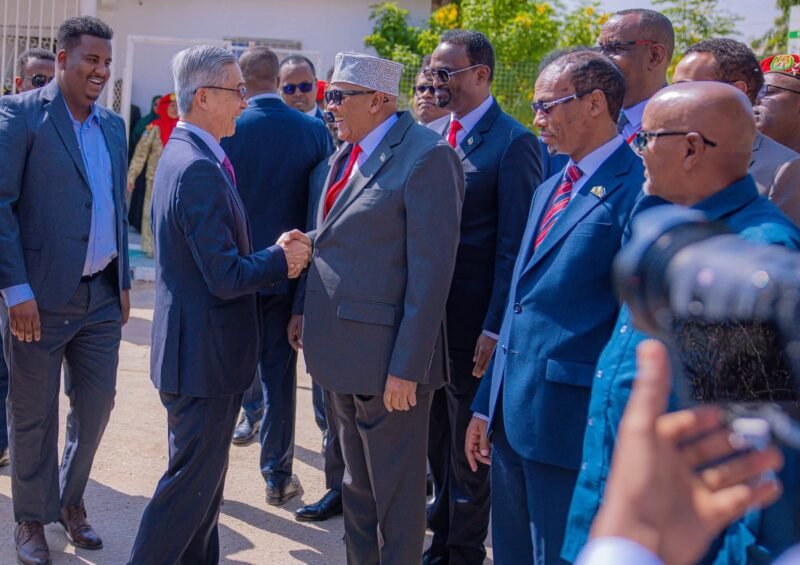
Further complicating matters, Ethiopia’s strategic maneuvers to secure a military base and port access in Somaliland have been perceived by Eritrea as a direct threat. This move, coupled with Ethiopia’s increasing diplomatic isolation due to its burgeoning relationships with Somalia and Egypt, has led to a significant cooling of relations between Ethiopia and Eritrea.
The situation has deteriorated to the extent that Eritrea has blocked flights from Ethiopian Airlines, citing various operational grievances, which many see as a diplomatic message to Ethiopia. Moreover, Ethiopia’s decision to host opposition groups in Addis Ababa has been viewed by Eritrea as an aggressive stance, exacerbating the diplomatic rift.
The regional implications are significant, with Egypt and the UAE showing increased interest in the Horn of Africa’s stability, especially concerning Ethiopia’s ambitions on the Red Sea. This geopolitical chess game threatens to destabilize not just the relations between the two nations but the entire region.
The prospects for avoiding war hinge on several factors. While Ethiopian Prime Minister Abiy Ahmed may be reluctant to engage in new conflicts due to domestic pressures, the potential for an inadvertent escalation remains high if Eritrea feels threatened enough to strike preemptively.
Ultimately, the role of international actors will be crucial in mediating tensions. Without significant intervention to foster dialogue and address the core issues at stake, the fragile peace could give way to renewed conflict, undoing the progress made since the landmark 2018 peace agreement.