
Analysis
The war hit Iran hard—but didn’t finish the job














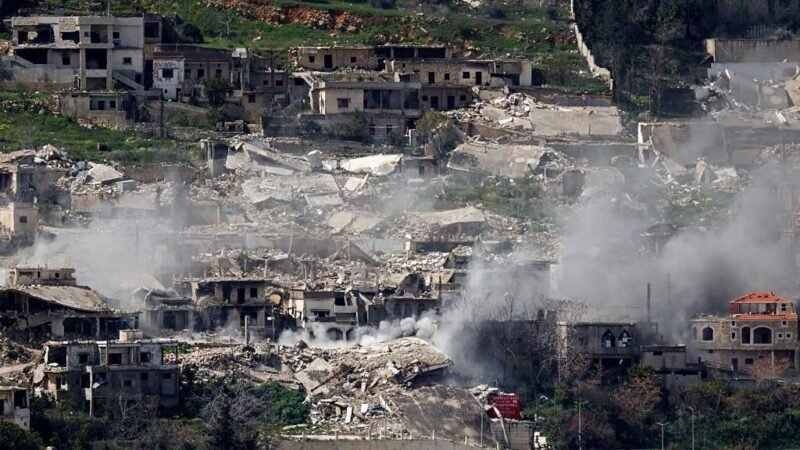
Iran pauses. Israel continues. And Lebanon is left burning—again.
The fragile U.S.–Iran ceasefire has exposed a brutal reality: while great powers pause, Lebanon remains trapped in a war it does not control.
The exclusion of Lebanon from the truce has turned the country into an active battlefield even as diplomacy unfolds elsewhere. Israeli strikes have intensified, targeting what it describes as Hezbollah infrastructure—but with devastating civilian consequences. Entire neighborhoods, once considered relatively insulated, are now within the conflict’s reach.
The result is not just destruction, but a deepening internal fracture across Lebanese society.
At the center of this crisis lies a structural problem that has defined Lebanon for decades: the existence of an armed non-state actor operating alongside a weak central government. Hezbollah’s military engagement—aligned with Iran’s regional strategy—has effectively drawn the entire country into confrontation. Yet when Tehran shifts toward de-escalation, Lebanon is left exposed, bearing the consequences without the protection of a broader strategic umbrella.
This asymmetry is driving a new and dangerous phase inside Lebanon itself.
Mass displacement, particularly from Shiite-majority areas linked to Hezbollah, is placing pressure on already fragile communities. Influxes of displaced families into other regions have triggered rising tensions, with some areas fearing they could become secondary targets.
What emerges is a volatile mix of humanitarian strain and sectarian anxiety—conditions historically associated with internal instability.
The political response reflects this strain. Calls for tighter monitoring of displaced populations, demands for greater state control, and growing criticism of Hezbollah’s role all point to a deeper shift: the erosion of the fragile social contract that has held Lebanon together since the end of its civil war.
Meanwhile, the state itself remains constrained.
President Joseph Aoun has emphasized that the only viable path forward is a ceasefire followed by direct negotiations with Israel. His position underscores a broader truth—Lebanon lacks the capacity to resolve the conflict unilaterally. Stability depends on external actors, even as those same actors shape the battlefield.
On the other side, Benjamin Netanyahu has made clear that operations against Hezbollah will continue “wherever necessary.” That stance effectively decouples Lebanon from the ceasefire framework, ensuring that violence persists regardless of U.S.-Iran diplomacy.
This leaves Lebanon in a strategic vacuum.
The war has revealed not only the limits of Hezbollah’s deterrence—its networks appear deeply penetrated—but also the absence of a unified national defense structure capable of protecting the country as a whole. The Lebanese Armed Forces remain a symbol of state authority, but not yet a substitute for the parallel military power that defines Hezbollah’s role.
The long-term implications are profound.
As sectarian tensions rise and state authority remains fragmented, Lebanon faces a choice it has long avoided: whether to maintain a system of competing power centers or move toward a restructured political order capable of asserting unified control. Without that shift, cycles of conflict are likely to repeat—triggered not by internal decisions, but by external alignments.
For now, the immediate priority is survival: halting the violence, stabilizing communities, and preventing internal collapse.
But the broader lesson is already clear.
The ceasefire may have paused one war—but in Lebanon, it has exposed another, far more enduring struggle over sovereignty, identity, and control.

Bab el-Mandeb Threat Raises Global Trade Fears as Iran Expands Leverage.
As tensions over the Strait of Hormuz continue, a second, equally critical chokepoint is entering the spotlight—and with it, a far more dangerous global scenario.
The Bab el-Mandeb Strait, linking the Red Sea to the Gulf of Aden, is emerging as Iran’s next potential pressure point. Iranian officials have openly signaled that if the conflict escalates, disruption could extend beyond Hormuz—effectively putting two of the world’s most vital trade arteries at risk.
This is not theoretical. The Bab el-Mandeb already sits within a volatile security environment, with Yemen’s Iran-aligned Houthi forces having disrupted shipping since 2023. Missile and drone attacks forced major companies, including Maersk, to reroute vessels, reshaping global trade patterns and driving up costs.
The strategic significance is immense. At its narrowest, the strait is just 18 miles wide, yet it carries millions of barrels of oil daily alongside critical goods—from food to industrial materials. It is also a key alternative route for Gulf energy exports diverted from Hormuz during crises.
What makes the current moment especially dangerous is the potential for overlap.
Iran does not maintain direct military control near Bab el-Mandeb. Instead, its leverage flows through regional proxies, particularly the Houthis. While not fully controlled by Tehran, they remain aligned enough that increased Iranian pressure could translate into intensified attacks or even temporary closure of the waterway.
If that happens, the impact would be immediate and compounding.
The disruption of Hormuz alone has already pushed oil prices sharply higher and strained global supply chains. A simultaneous threat to Bab el-Mandeb would amplify those effects—restricting both Gulf exports and Red Sea transit routes, effectively squeezing global trade from two directions.
Energy markets would not be the only casualty. Shipping insurance costs would surge, rerouting would increase transit times, and developing economies—already vulnerable—would face rising food and fuel prices.
Even without a full closure, the mere threat is enough to disrupt flows. As seen in previous Houthi campaigns, uncertainty alone can deter shipping, reducing traffic and tightening supply without a single decisive strike.
This is the new reality of modern conflict: chokepoints as weapons.
For global powers, the challenge is no longer limited to reopening one strait—it is preventing a cascading disruption across interconnected maritime routes. For regional players, particularly Gulf states, the stakes are even higher, as alternative export pathways become critical to economic survival.
The ceasefire may have slowed the crisis, but it has also expanded its geography.
And if Bab el-Mandeb becomes the next front, the world will not be dealing with a regional disruption—but a systemic shock to global trade itself.
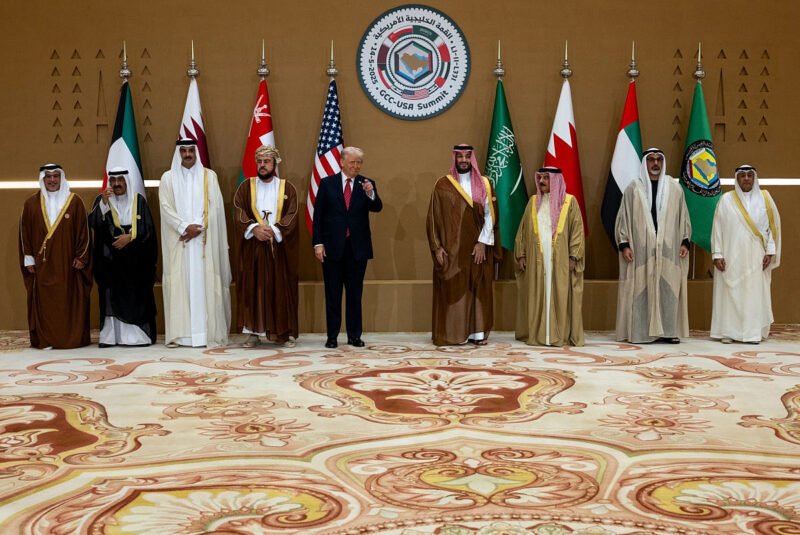
It’s not just about Iran anymore. The real question in the Gulf: can the U.S. still be trusted?
The recent ceasefire between Washington and Tehran has exposed a deeper, more consequential crisis—one not of missiles or markets, but of trust.
For Gulf states, the issue is no longer whether Donald Trump is willing to confront Iran. It is whether U.S. policy remains predictable, coordinated, and aligned with the long-term security interests of its closest regional partners.
The sudden pivot from escalation to de-escalation has raised uncomfortable questions: are American warnings credible, or increasingly conditional?
In Riyadh and across the GCC, the concern is not the ceasefire itself, but how it was reached. A tactical pause that leaves core issues unresolved—control of the Strait of Hormuz, Iran’s missile capabilities, and its regional network—signals a shift toward short-term crisis management rather than strategic resolution. For allies that rely on long-term planning, such volatility is destabilizing.
This moment reveals a widening gap in three critical areas: deterrence, consultation, and stability.
Deterrence depends on credibility. When threats are followed by abrupt reversals, their future value diminishes. Consultation requires alignment. When key partners are not fully integrated into decision-making, trust erodes. Stability demands consistency. When policy shifts rapidly, regional actors are forced to hedge against uncertainty.
The contrast with earlier periods is instructive. During the Barack Obama administration, engagement with Iran triggered similar anxiety—but it was paired with structured efforts to reassure Gulf partners through summits and institutional coordination. The strategy was controversial, but it was coherent.
Today’s approach appears more fluid—and more unpredictable.
That distinction matters. Disagreement over policy can be managed; uncertainty about commitment cannot. For Gulf states, the risk is not simply that Washington may choose a different path, but that it may do so without warning, leaving regional allies to absorb the consequences.
This perception is already shaping behavior. Saudi Arabia, under Mohammed bin Salman, is expanding partnerships beyond Washington while maintaining the U.S. as its primary security anchor. This is not a rejection—it is a hedge against inconsistency.
The implications extend beyond the Gulf. If American deterrence is seen as reactive rather than reliable, adversaries may test its limits more aggressively, while allies invest in independent capabilities.
The Middle East has entered a phase where perception is power. And right now, the perception is shifting.
The United States still holds unmatched military capability. But in a region defined by long memories and high stakes, credibility—not capacity—will determine influence.
And credibility, once questioned, is far harder to restore than to project.
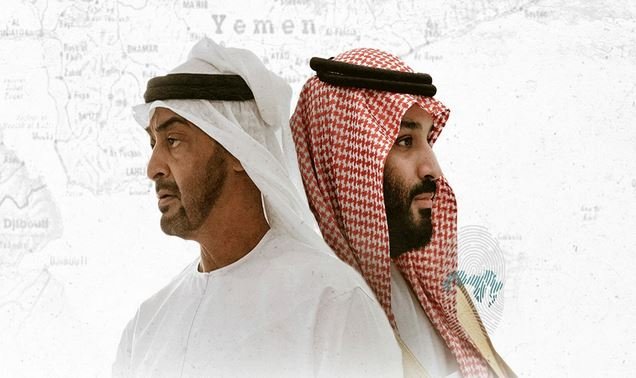
Same threat. Different strategy. The Gulf’s two powerhouses are no longer thinking alike.
The ceasefire may have unified the Gulf in public—but beneath the surface, a strategic divide is emerging between its two most powerful states: Saudi Arabia and United Arab Emirates.
Both governments condemn Iranian attacks and support reopening the Strait of Hormuz without restrictions. Both insist the current pause in fighting is only a first step. But their visions for what comes next—and how to get there—are beginning to diverge.
Riyadh is playing a longer, more cautious game. Its priority is stability—protecting oil revenues and safeguarding Vision 2030, the economic transformation plan that depends on predictable markets and investor confidence. For Saudi leadership, the risk is not just Iran’s aggression, but the consequences of its collapse. A destabilized Iran could trigger regional chaos, something Riyadh appears determined to avoid.
The United Arab Emirates, by contrast, is signaling far less patience. Having absorbed some of the most direct attacks during the conflict, Abu Dhabi is pushing for a decisive and enforceable outcome. Its leadership is clear: a ceasefire that leaves Iran’s missile, drone, and nuclear capabilities intact is not a solution—it is a delay.
This difference in tone reflects deeper strategic instincts. Saudi Arabia is hedging—seeking to contain Iran while preserving diplomatic flexibility. The UAE is pressing for resolution—favoring stronger deterrence, tighter security frameworks, and potentially deeper alignment with Washington and Israel if required.
The gap is subtle, but significant. Riyadh fears escalation; Abu Dhabi fears stagnation.
For now, Gulf unity holds. Both countries remain aligned on key principles: freedom of navigation, rejection of Iranian coercion, and the need for a broader settlement. But as negotiations unfold, these differences could shape how the region engages with any final deal—and how much pressure is applied on Tehran.
The ceasefire has paused the conflict. It has not aligned the strategy.
And in the Gulf, that distinction may prove decisive.
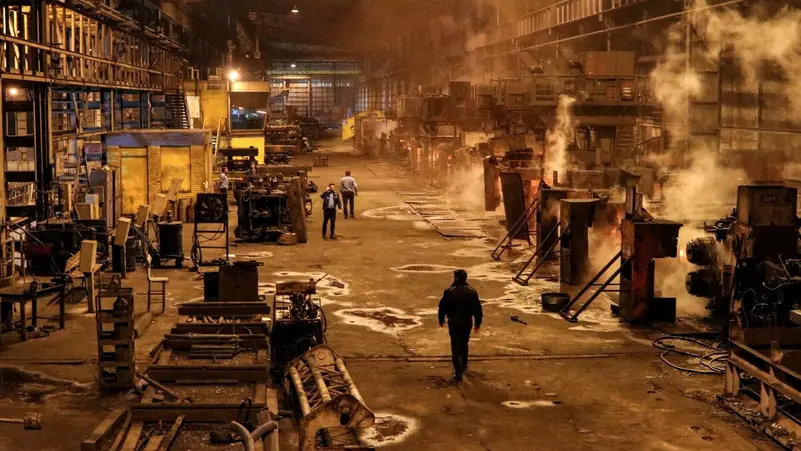
Israel agreed to the pause—but it’s already preparing for what comes next.
Israel’s response to the U.S.-Iran ceasefire is defined by a careful balance: public support, private skepticism, and continued military action where it matters most.
Prime Minister Benjamin Netanyahu has endorsed the agreement, framing it as a tactical outcome made possible by Israeli and U.S. pressure. His government argues that recent strikes have weakened Iran’s capabilities and shifted the regional balance, making a pause acceptable—so long as Tehran complies with key conditions, including reopening the Strait of Hormuz and halting attacks on regional actors.
But the endorsement comes with clear limits. Israeli officials stress that the ceasefire applies only to the U.S.-Iran track. Operations against Hezbollah in Lebanon continue unabated, with air and ground campaigns intensifying even as diplomacy unfolds.
Across Israeli media, the reaction is notably restrained. Mainstream outlets report that officials were caught off guard by the timing of the deal and view it as premature. The dominant concern is strategic: that Iran will use the pause to regroup—rebuilding elements of its missile and nuclear capabilities while avoiding immediate confrontation.
More critical voices, particularly in opposition circles, go further. They describe the ceasefire as a diplomatic setback, arguing that it halts momentum without securing irreversible gains. The fear is not just what the deal achieves, but what it leaves unresolved.
Within Israel’s security establishment, the position is more pragmatic than political. There is broad support for reducing direct confrontation with Iran in the short term, but no appetite for relaxing pressure on its regional network. Hezbollah remains a central focus, and preventing Iran’s long-term reconstitution—especially in the nuclear domain—is seen as non-negotiable.
Public sentiment is also shifting. Early support for a prolonged war has softened, reflecting fatigue and rising uncertainty. Yet this does not translate into trust. If anything, it reinforces a cautious acceptance: a pause may be necessary, but it is not sufficient.
What emerges is a clear strategic posture. Israel is honoring the ceasefire—but not relying on it.
For Jerusalem, the agreement is not an endgame. It is a temporary phase in a longer confrontation, one that has already moved from direct strikes to a more complex mix of diplomacy, deterrence, and continued proxy conflict.
The war, in Israel’s view, hasn’t ended. It has simply changed shape.
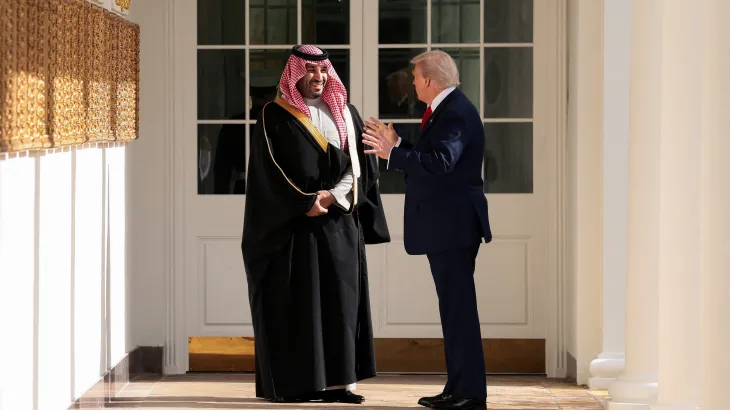
Washington changed course. Iran gained leverage. Now all eyes are on MBS—can he reset the balance?
Saudi Arabia’s silence following Donald Trump’s sudden endorsement of Iran’s 10-point framework is not indecision—it is strategy under pressure.
As of April 8, Riyadh has issued no formal response, a calculated pause reflecting the stakes. Publicly opposing a U.S.-endorsed proposal risks fracturing a decades-old security relationship at the worst possible moment. Privately, Gulf diplomatic sources indicate the kingdom is reassessing its entire strategic posture before committing to a position.
The challenge is not rhetorical—it is structural. The Iranian proposal, now labeled “workable” by Washington, is not a conventional negotiation platform. It is a maximalist framework that, if implemented even partially, would reshape the regional order.
At its core lies a fundamental contradiction with Saudi interests. Where Crown Prince Mohammed bin Salman sought to weaken Iran’s military and strategic reach, the proposal does the opposite: it preserves Tehran’s proxy network, legitimizes its nuclear program, and codifies influence over the Strait of Hormuz—a critical artery for Saudi oil exports.
The most consequential demand is the withdrawal of U.S. forces from the Gulf. Such a move would dismantle the security architecture that has underpinned regional stability for decades. Saudi Arabia, unlike some of its neighbors, lacks a formal defense treaty with Washington. Its protection has relied on presence, not paper. Remove that presence, and the balance shifts overnight.
Yet this moment also underscores MBS’s strategic clarity. His earlier push for decisive action against Iran was not reckless—it was rooted in a clear understanding of what a partial outcome would look like. The current framework validates that concern. A weakened but intact Iran, freed from constraints and operating under reduced pressure, poses a more complex challenge than a fully contained adversary.
China’s quiet influence adds another layer. The framework’s architecture—particularly its reliance on multilateral guarantees involving Beijing and Moscow—signals a broader shift away from U.S.-centric order toward a multipolar system where enforcement becomes diffuse and harder to challenge.
Still, Riyadh is not without leverage. As the world’s leading oil exporter and a central pillar of global energy markets, Saudi Arabia retains economic weight that can translate into political influence. Its sovereign investment power, expanding industrial base, and growing technological partnerships offer alternative pathways to shape outcomes—even as traditional security guarantees come into question.
The nuclear dimension looms largest. If Iran’s enrichment program is accepted without limits, Saudi Arabia faces a strategic threshold it has long warned about. MBS has been explicit: parity would follow. That is not escalation—it is deterrence logic.
What defines this moment is not Saudi weakness, but transition. The assumption that American power would unilaterally resolve the Iran challenge has fractured. In its place emerges a more complex reality—one where Riyadh must balance diplomacy, deterrence, and independence.
The next phase will test whether MBS can convert Saudi Arabia’s economic strength into a new form of strategic security.
Because the rules of the game have changed—and Saudi Arabia is already adapting.
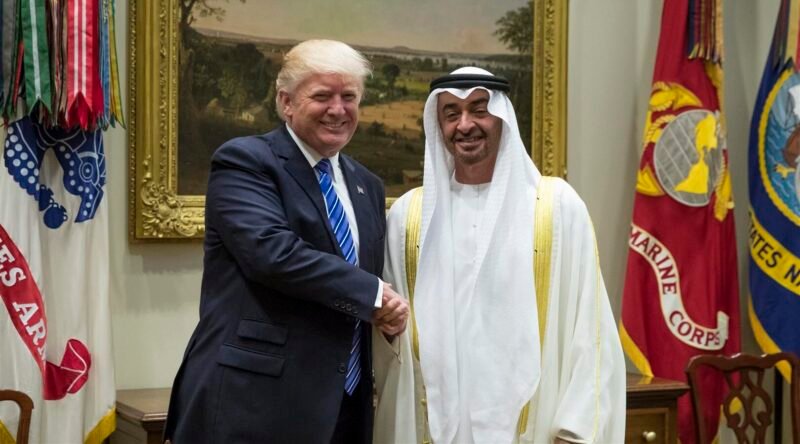
Relief in the Gulf—but no trust. Leaders want more than a pause. They want guarantees.
As a fragile ceasefire takes hold, Gulf states are signaling cautious relief—but not confidence. For governments across the region, the pause in fighting is welcome, yet far from sufficient.
From Saudi Arabia to United Arab Emirates and Qatar, the message is consistent: this crisis must end with enforceable guarantees, not temporary de-escalation.
At the center of their concern is the Strait of Hormuz. Gulf leaders are united in rejecting any arrangement that leaves the waterway under Iranian control or subject to tolls. For them, free navigation is not negotiable—it is the foundation of economic survival.
The stakes are immediate. The war has exposed Gulf economies to direct and indirect shocks: missile threats, disrupted energy flows, and rising living costs. Even the region’s most ambitious economic programs—particularly diversification plans in Saudi Arabia and the UAE—have come under strain.
Yet beyond economics lies a deeper strategic anxiety. Gulf officials do not simply fear Iran’s strength—they also fear its collapse. A destabilized Iranian state could unleash refugee flows, proxy violence, and prolonged regional chaos. This dual concern shapes a delicate position: contain Iran, but avoid triggering its disintegration.
Each state reflects this balance differently. Saudi Arabia is prioritizing stability, pushing for a comprehensive settlement that protects its long-term economic transformation. The UAE is demanding a conclusive outcome, warning that a ceasefire without structural change leaves the region exposed. Qatar, heavily impacted by disrupted LNG flows, is leaning toward diplomacy, urging rapid de-escalation and sustained dialogue.
Smaller Gulf states are reinforcing this consensus. Kuwait and Bahrain have emphasized collective security and condemned attacks on their territories, while Oman continues to position itself as a quiet mediator.
What unites them is frustration. This was not their war—yet they have borne its costs. Now, they are insisting on a seat at the table in any final agreement, rejecting solutions imposed solely by external powers.
The ceasefire has created a narrow window. But for the Gulf, the objective is clear: not just to stop the current crisis, but to prevent the next one.
Anything less risks repeating the cycle.
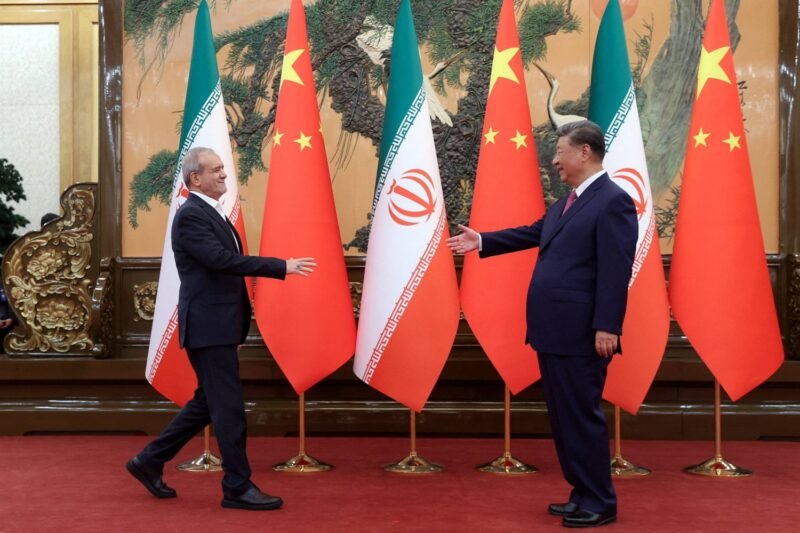
While the U.S. threatens destruction, China is quietly keeping Iran in the game. This war isn’t just military—it’s economic.
As Washington escalates pressure on Tehran, a quieter but more decisive force is shaping the outcome: China.
Behind the headlines of threats, strikes, and ceasefires, Beijing has emerged as Iran’s most critical economic backstop—blunting U.S. sanctions and extending Tehran’s ability to endure.
The dynamic is straightforward but powerful. China now absorbs the overwhelming majority of Iran’s oil exports—often at discounted prices—providing Tehran with a steady flow of revenue even as Western pressure intensifies. This trade, conducted through shadow fleets, intermediary firms, and non-dollar transactions, has effectively neutralized one of Washington’s primary tools: financial isolation.
The result is a paradox. While Donald Trump threatens “total obliteration,” Iran’s economic engine continues to run—fueled not by defiance alone, but by a global power pursuing its own strategic interests.
China’s role extends beyond oil. Reports indicate ongoing access to dual-use technologies, supply networks, and financial channels that allow Iran to sustain key military and industrial capabilities. These are not overt acts of alliance, but calculated moves that keep Tehran operational without triggering direct confrontation with Washington.
Publicly, Beijing calls for de-escalation and criticizes U.S.-Israeli actions. Privately, it maintains the economic links that make prolonged resistance possible. This dual posture—mediator on the surface, enabler beneath—reflects a broader strategy: benefit from instability without bearing its costs.
For the United States, this exposes a structural weakness. Sanctions, once a cornerstone of American power, are far less effective in a multipolar system where alternative financial and trade networks exist. China’s willingness to bypass dollar-based systems and absorb sanctioned oil has turned pressure into leakage.
The implications are immediate. Iran’s ability to hold leverage over chokepoints like the Strait of Hormuz is strengthened, not weakened, by continued economic inflows. That prolongs the crisis, raises global energy risks, and complicates any path to resolution.
But the longer-term shift may be even more significant. This conflict is not just testing military limits—it is testing the durability of U.S. economic dominance.
China is not fighting this war. Yet it is shaping its trajectory.
And in doing so, it is sending a clear message: in today’s world, isolation is no longer guaranteed—even under maximum pressure.

UAE Says No New Iranian Threats Detected as Ceasefire Holds

The war hit Iran hard—but didn’t finish the job

Ceasefire Exposes Hezbollah’s Grip and State Fragility


-
 Terrorism2 weeks ago
Egypt Uncovers Alleged Plan to Down Presidential Plane
-
 US-Israel war on Iran3 weeks ago
Former CIA Chief Blames White House for Escalating Iran War Crisis
-
 Top stories2 weeks ago
Saudi Arabia Deepens Defense Ties with Ukraine
-
 Red Sea3 days ago
Houthis Threaten to Shut Red Sea if War Widens
-
 Analysis3 weeks ago
Inside the IRGC’s Quiet Rebuild of Hezbollah
-
 Top stories1 day ago
Kremlin Claims EU Is Working Against Orbán
-
 US-Israel war on Iran3 weeks ago
Iran War Sparks Global Crisis Warning
-
 Top stories2 weeks ago
France Leads Talks With 35 Nations to Secure Strait of Hormuz