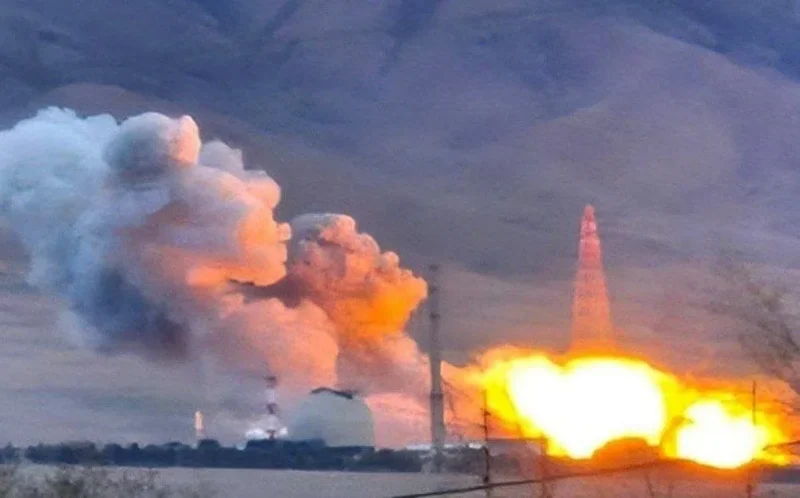
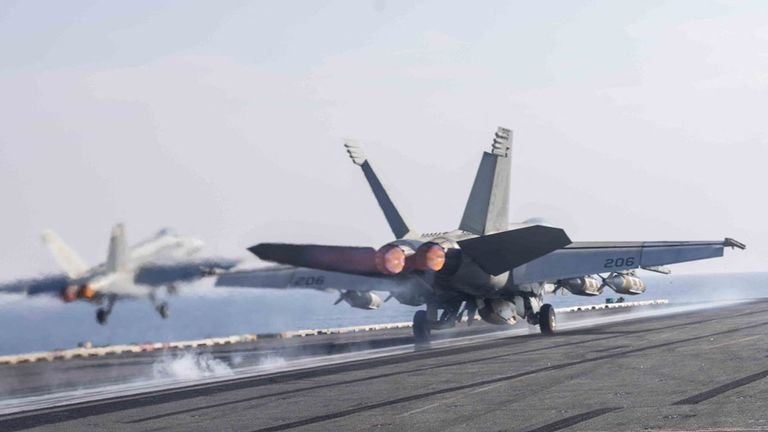
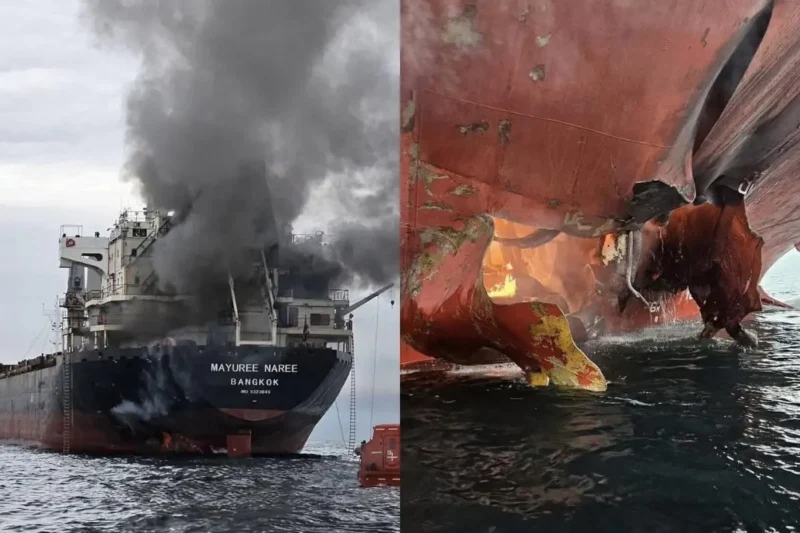
No One Thinks This War Ends Cleanly. From Washington to Beijing to the Gulf—analysts agree on one thing: the damage is just beginning.
Across leading editorial boards, think tanks, and policy institutions, a rare consensus is emerging: the Iran war may pause, but its economic and geopolitical consequences are only deepening.
At The Wall Street Journal, opinion writers have taken direct aim at Donald Trump’s strategy, describing it as inconsistent and reactive. The critique is not simply about tone—it is about clarity. Repeated ultimatums and shifting deadlines, they argue, risk civilian infrastructure without guaranteeing strategic outcomes, particularly the reopening of the Strait of Hormuz. The underlying concern: economic pain will ultimately fall on American households.
Economic analysts at Reuters Breakingviews go further, warning that even a ceasefire will not restore normalcy. Insurance costs, depleted reserves, and persistent risk premiums are likely to keep energy markets unstable. In their view, the idea that reopening Hormuz alone can resolve the crisis is a dangerous oversimplification.
Meanwhile, the U.S.-China Economic and Security Review Commission highlights a structural shift in the conflict: China’s role as Iran’s economic lifeline. By purchasing the bulk of Iranian oil and facilitating sanctions evasion, Beijing is not just mitigating pressure—it is reshaping the limits of U.S. economic power.
Strategic analysts at the Atlantic Council frame the war in even broader terms. Their assessments suggest the conflict is accelerating a global realignment, exposing vulnerabilities in energy security and forcing new alliances to emerge beyond traditional Western frameworks.
From the region itself, Al Jazeera offers a different lens: one centered on local agency. Commentators argue that lasting stability will not come from external military pressure, but from a Gulf-led security framework that includes Iran—warning that exclusion risks prolonging instability.
Think tanks such as Brookings Institution and Center for Strategic and International Studies push the analysis deeper. Their focus is not just on the war’s trajectory, but its unintended consequences: strengthening hardliners in Tehran, triggering proliferation risks, and setting off longer-term regional instability.
Taken together, these perspectives converge on a stark conclusion. There is no clean victory in sight. The war is not only reshaping the Middle East—it is redefining the global economic order.
And long after the ceasefire headlines fade, the costs will remain embedded in markets, politics, and everyday life.