When a state blurs the line between terrorists and authority, it rarely stops at words. Somalia’s pressure campaign against Somaliland shows what comes next.
In the architecture of counterterrorism, language matters. It signals intent, credibility, and alignment. That is why Somalia’s State Minister of Defense, Omar Ali Abdi, set off alarm bells when he publicly declared that “only two groups are allowed to have weapons: the government, which protects its people, and Al-Shabaab, which kills them.” The remark was later withdrawn, but the damage lingered—made worse by President Hassan Sheikh Mohamud’s separate suggestion that Al-Shabaab members could participate in voter registration “however you want.”
Taken together, these statements reveal more than rhetorical missteps. They expose a dangerous ambiguity at the heart of Somalia’s security posture, one that blurs the line between the state and the terrorist group it is meant to defeat. This confusion comes despite more than a decade of extraordinary international support aimed at dismantling Al-Shabaab. By most measurable standards, that effort is failing.
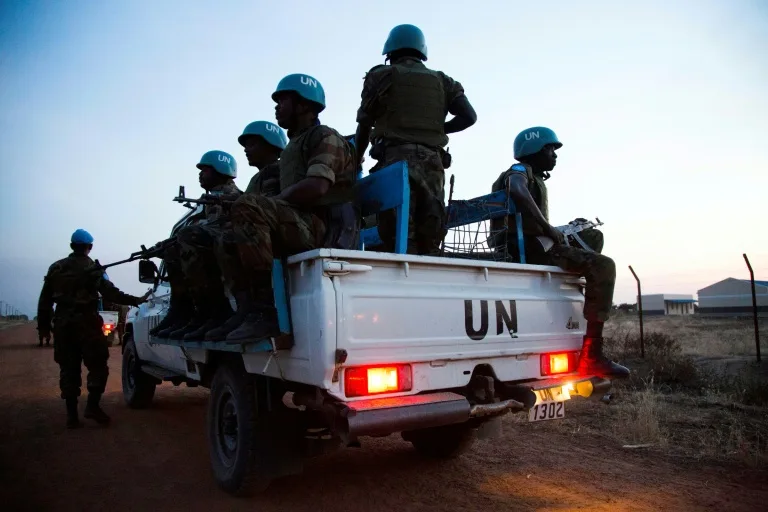
Al-Shabaab has regained key towns, operates within striking distance of Mogadishu, and continues to adapt tactically and organizationally. In March 2025, the group attempted to assassinate the president. Weeks later, a coordinated attack killed twenty Ugandan peacekeepers. At the same time, Somalia’s federal system is fracturing, with Puntland and Jubaland increasingly estranged from Mogadishu and absent from national security coordination.
Against this backdrop, Somaliland stands in sharp contrast. For 34 years, it has maintained internal security, conducted elections, and managed peaceful transfers of power—without recognition and without the scale of international assistance poured into Mogadishu. Western policymakers have noticed. Quiet discussions in Washington, London, and Brussels increasingly frame Somaliland as a case for structured engagement rather than perpetual neglect.
Instead of learning from this stability, Mogadishu has chosen confrontation—shifting from political pressure to economic coercion. The campaign is systematic. Somalia’s failed electronic travel authorization scheme attempted to impose identity control over travelers to Somaliland before collapsing under U.S. and British warnings of a major data breach. Aviation tensions followed, with competing claims over airspace authority creating uncertainty for airlines in an already volatile region.
The most consequential front is maritime. Somalia’s attempt to impose an Electronic Cargo Tracking Number system on all shipments, including those bound for Berbera Port, is not a neutral regulatory move. It is an effort to centralize trade, customs, and revenue flows under Mogadishu, effectively throttling Somaliland’s economic lifelines under the guise of technical compliance.
This economic warfare carries wider risks. Weaponizing ports and shipping regulations in one of the world’s most sensitive maritime corridors invites instability, piracy, and exploitation by extremist networks. It also entangles regional and global actors—Turkey, Egypt, China, Qatar, and the UAE—each backing different sides for strategic reasons.
The international community faces a choice. Continue underwriting a Somali government that sends mixed signals on terrorism while destabilizing its most functional neighbor—or recalibrate. That recalibration should include a hard review of aid usage, clear counterterrorism benchmarks, and structured engagement with Somaliland grounded in performance, not politics.
A government cannot defeat extremism while normalizing ambiguity. And it cannot build legitimacy by economically besieging stability. The Horn of Africa cannot afford that contradiction. Neither can the world.