Somaliland’s Stability Threatened as Former FM Essa Kayd Warns of External Sabotage.
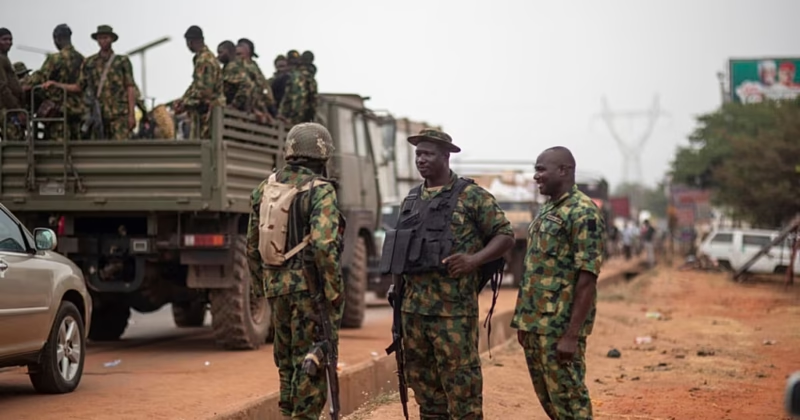
Somaliland is entering one of the most precarious moments in its modern history. Deadly protests in Borama, confusion in the capital, and a collapsing information strategy have exposed the country’s most valuable commodity—stability—to unprecedented risk.
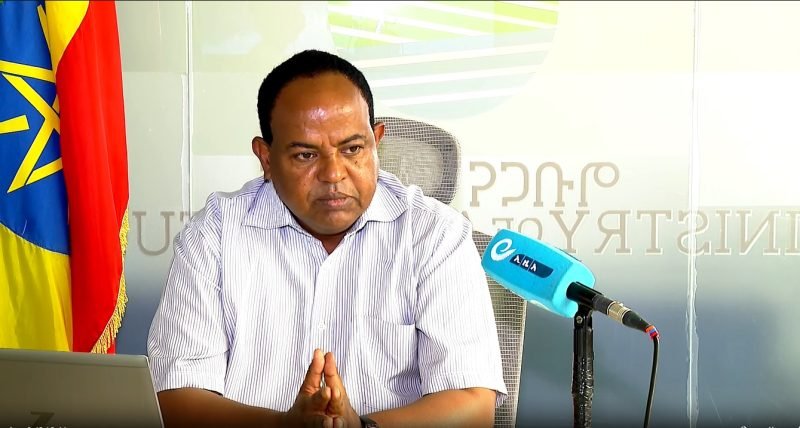
Into this vacuum steps Dr. Essa Kayd, the former foreign minister whose tenure marked one of Somaliland’s most disciplined and strategically assertive periods on the global stage.
Speaking from Jeddah, Dr. Kayd offered condolences for the lives lost in Awdal, but he made clear that the crisis transcends local dispute. In his view, the unrest is a product of external engineering, designed to erode Somaliland’s credibility at the very moment recognition efforts gained momentum.
“Somalia wants instability in Somaliland so that the ready recognition will disappear,” Dr. Kayd warned. His message was not merely a critique—it was a diagnostic report delivered by the man who once built the machinery to defend Somaliland’s global image.
During his time at the Ministry of Foreign Affairs, Dr. Kayd constructed what can now be called the Kayd Doctrine: an ambitious strategy rooted in narrative control, diplomatic predictability, and constant engagement with global partners.
He tied the ministry directly to daily intelligence briefings, ensuring foreign policy was aligned with real-time national security realities.
A mandatory monthly call schedule with embassies prevented the spread of hostile misinformation. A media-monitoring unit tracked and countered narratives pushed by Somalia and its allies, ensuring international actors heard Somaliland’s voice before anyone else’s.
The contrast with today is stark. Dr. Kayd says international journalists tell him the ministry has fallen silent. Critical information lines have gone dark. The state is losing the narrative terrain it once dominated—just as internal unrest provides fertile ground for external manipulation.
His warning carries extra weight because he oversaw two of the most consequential diplomatic actions in Somaliland’s recent history.
He closed the Egypt-funded library in Hargeisa, a move that publicly shut the door on Cairo’s attempts to shape Somaliland’s internal politics through cultural and intelligence footprint.
And he finalized the landmark Memorandum of Understanding with Ethiopia, cementing a strategic partnership that remains central to Somaliland’s geopolitical relevance.
These actions demonstrated that Somaliland could act like a sovereign nation, defend its interests, and build alliances that mattered.
But Kayd’s argument is not nostalgic. It is surgical. Somaliland’s entire foreign policy rests on one competitive advantage: peace. Stability is not a slogan; it is the only product the country can sell to the world as it pursues recognition. Internal disorder is not merely a domestic failure—it is a strategic collapse.
The deadly clashes in Borama, the government’s mixed messaging over the Xeer Ciise exhibition, and the broader vacuum of authoritative communication threaten to erode years of painstaking diplomatic groundwork. Mogadishu and its allies, Kayd argues, are watching closely, ready to exploit any fracture.
“What we are selling to the world is peace,” he said. “That is why Somalia is fighting us, so we must maintain peace.”
Somaliland’s future hinges not on speeches or symbolism, but on restoring the stability that underpins its claim to statehood.
The government now faces a defining test. Reassert control, revive disciplined diplomacy, and rebuild public trust—or watch hard-won gains evaporate as external actors rush to fill the void.
The Kayd Doctrine was built for moments like this. The question now is whether the government is willing—or able—to return to it before the damage becomes irreversible.