Minneapolis voters have handed Mayor Jacob Frey a third term, reaffirming his moderate leadership in a city still grappling with the political and social aftershocks of the George Floyd era.
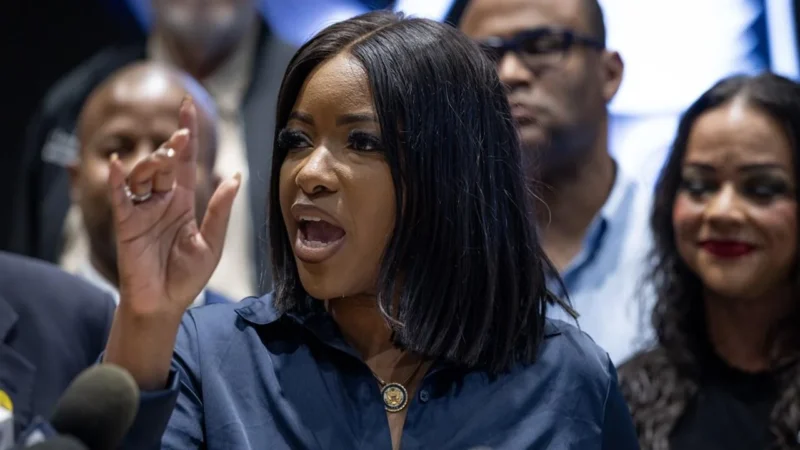
Frey, 44, secured just over 50 percent of the vote, defeating State Sen. Omar Fateh, a rising democratic socialist whose campaign had drawn comparisons to New York City’s progressive star Zohran Mamdani.
Fateh, who embraced the label “Mamdani of Minneapolis,” captured 44.4 percent but fell short in a ranked-choice race that saw Frey maintain strong first-choice support and consolidate enough secondary votes to clinch victory.
The outcome marks a significant win for the Democratic Party’s centrist wing during a nationwide election cycle that also saw progressive candidates falter in key races from New York to California.
Frey’s message — pragmatic, business-friendly, and unapologetically moderate — resonated with voters who appear weary of ideological polarization and citywide unrest.
Frey entered the race with major financial advantages, raising nearly $1 million, more than his three main rivals combined. Business-backed political action committees poured an additional $500,000 into his campaign, including more than $130,000 in ads targeting Fateh.
Though Frey prevailed decisively, his political challenges are far from over. His allies failed to capture a majority on the City Council, leaving him to navigate a chamber still dominated by left-wing critics.
However, two flipped seats will narrow the progressive bloc’s influence, likely softening its ability to override mayoral vetoes.
In office since 2018, Frey has defined himself as a pro-growth mayor focused on urban development and public safety reform.
He championed the city’s landmark zoning overhaul that spurred a construction boom, while resisting calls from activists to “defund the police” after 2020.
Instead, he promoted incremental police reform, rebuilding depleted officer ranks and introducing new 911 response models that pair law enforcement with mental health professionals.
“I’ve always believed leadership means having the courage to do the right thing — even when it’s hard,” Frey told Axios earlier this year. “That includes telling people on our own side what they occasionally don’t want to hear.”
The mayor’s critics, however, argue that Frey’s pragmatic style too often shades into obstruction. They accuse him of stonewalling oversight efforts, particularly over police accountability, and failing to deliver on his 2017 promise to end chronic homelessness within five years.
The 2022 police killing of Amir Locke, during a no-knock raid Frey claimed to have banned, remains a lasting political scar.
Still, for now, Minneapolis voters have opted for continuity over confrontation. Frey’s victory underscores a broader national trend: in a moment of progressive ambition and populist backlash, moderation still sells — at least in cities looking for stability after years of turmoil.