Somalia: The Battlefield of the Khat War
Kenya and Ethiopia have turned khat into a weapon of war. Somalia is the frontline, where protests, smuggling, and proxy politics collide.
Somalia has become the battlefield of a khat war. Kenya pivots to Somaliland and Jubaland, Ethiopia floods Mogadishu with smugglers, and al-Shabaab taxes the routes. The stimulant leaf is now a weapon of power.
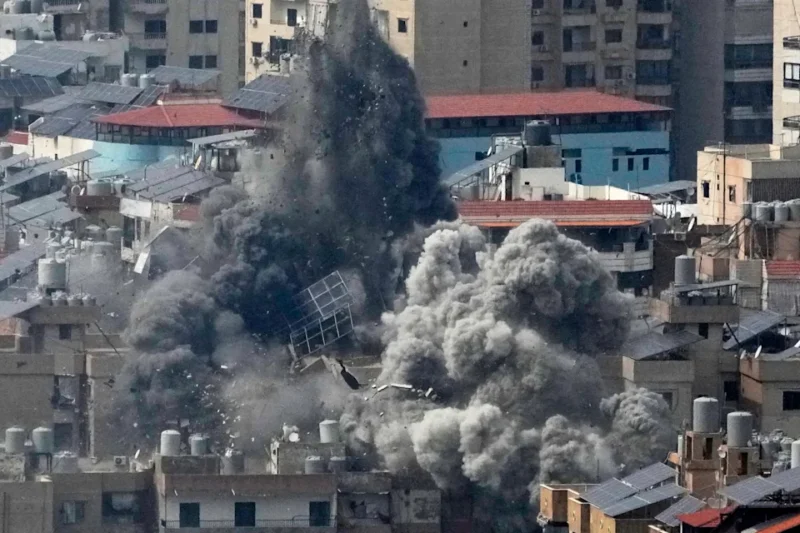
Somalia is bleeding from a war without bullets. The stimulant leaf known as khat—once just a daily chew—is now the weapon of a geo-economic battle that pits Kenya and Ethiopia against each other, with Mogadishu caught in the crossfire.
In February, Kenya’s Meru farmers halted exports in fury over collapsing prices. Within days, Mogadishu erupted. Somali women traders protested in the streets, warning that khat—staple of Somali life—was slipping beyond the reach of ordinary citizens. That crisis opened the gates for Ethiopia.
Addis Ababa seized the moment. Smuggling routes poured cheap Ethiopian khat into Somalia, undercutting Kenyan supply and winning ground in Mogadishu’s markets. What began as a trade dispute has mutated into open proxy competition: Kenya leaning on Somaliland and Jubaland to bypass Mogadishu; Ethiopia arming warlords along border corridors with bundles of green leaves.
But the battlefield isn’t just economic. Al-Shabaab now taxes khat convoys, using the leaf to bankroll its insurgency. Every shipment crossing the Somali border doubles as jihadist revenue. The stimulant has become a strategic resource, no different from oil or gold—funding militias, protests, and power grabs.
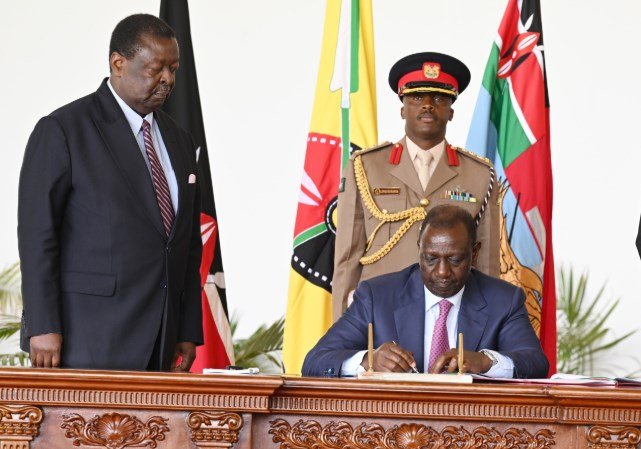
President William Ruto has framed khat as foreign policy. For Meru’s farmers, it’s survival. For Ethiopia’s syndicates, it’s conquest. For Somalia’s civilians, it’s chaos. Whoever controls khat supply controls Somalia’s streets—and whoever controls the streets bends Somalia’s fragile political order.
The khat war is Somalia’s new proxy war. The leaf is no longer a crop. It’s a weapon.