Somalia’s top auditor has cast doubt on the integrity of some of the federal government’s most important financial streams, warning that lapses in record-keeping and oversight could undermine both public trust and the confidence of international donors who bankroll much of the state.
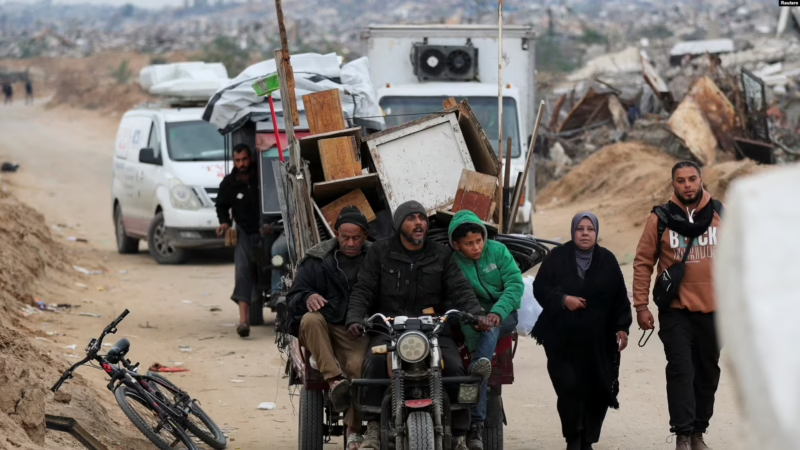
In its 2024 annual report, the Office of the Auditor General said more than $153.8 million in social protection spending under the World Bank–financed Baxnaano program could not be independently verified because the U.N. World Food Programme, which administered the transfers, failed to provide full beneficiary records.
Baxnaano is Somalia’s flagship cash-transfer initiative, seen by donors as a lifeline in a country scarred by conflict, poverty, and drought. Its credibility is therefore central not just to households who depend on it but also to the fragile social contract between Mogadishu and its foreign backers. The auditors’ conclusion — a “qualified opinion” on the federal accounts — highlights just how brittle that trust remains.
[doc id=14818]
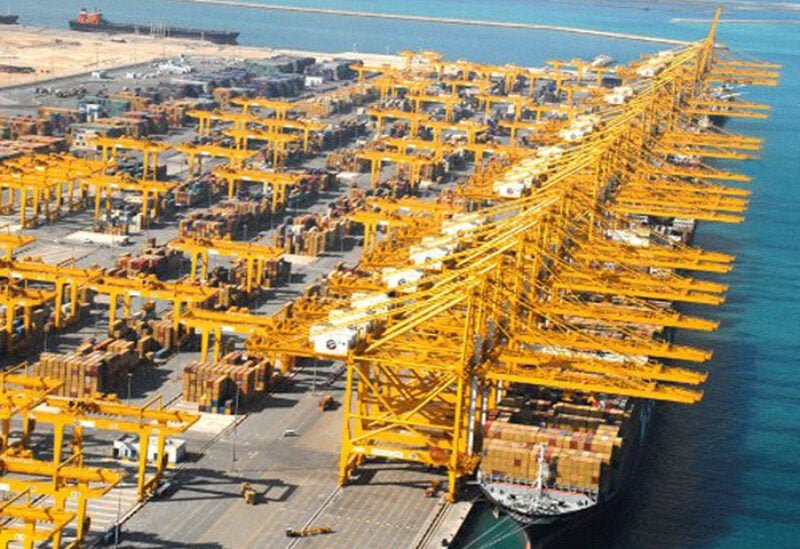
The audit also flagged gaps in concession revenues from Mogadishu’s seaport and Aden Adde International Airport. The government booked $32.2 million in income from contracts with Albayrak-Somalia and Favori LLC, but neither company submitted audited financial statements, leaving auditors unable to determine whether Somalia received the full share of revenues it was entitled to — 62.17 percent from the port, 25 percent from the airport.
Other irregularities surfaced. Six government entities received about $5 million in off-budget donor grants, while annexes showed another $9.4 million flowing outside official ledgers — a direct breach of Somalia’s Public Financial Management Act and international accounting standards. Ministries also failed to explain major differences between budgeted and actual spending, despite legal requirements to do so.
Auditors pointed to weaknesses in IT systems, donor-funded project oversight, and basic legal compliance. The report’s tone was firm but not fatalistic: Auditor General Ahmed Isse Gutale pledged to work with ministries and partners to close the gaps.
Still, the implications are serious. Somalia is in the midst of sweeping fiscal reforms as it seeks deeper debt relief and continued donor support. The audit will sharpen debate in parliament and in donor capitals over how to balance Somalia’s progress in state-building with its persistent weaknesses in transparency and control.
For a government whose survival rests heavily on external trust, the numbers in this report are not just accounting entries. They are a test of credibility — one that Somalia cannot afford to fail.