U.S. Sen. Ted Cruz is pressing President Donald Trump to formally recognize Somaliland, arguing the self-governing territory on the Gulf of Aden has earned statehood and advances American interests in a volatile corridor. In a letter delivered to the White House, the Texas Republican calls Somaliland a “critical security and diplomatic partner” and urges recognition “within its 1960 borders,” citing three decades of stable self-rule, regular elections, and cooperation on counterterrorism and anti-piracy.
[doc id=14188]
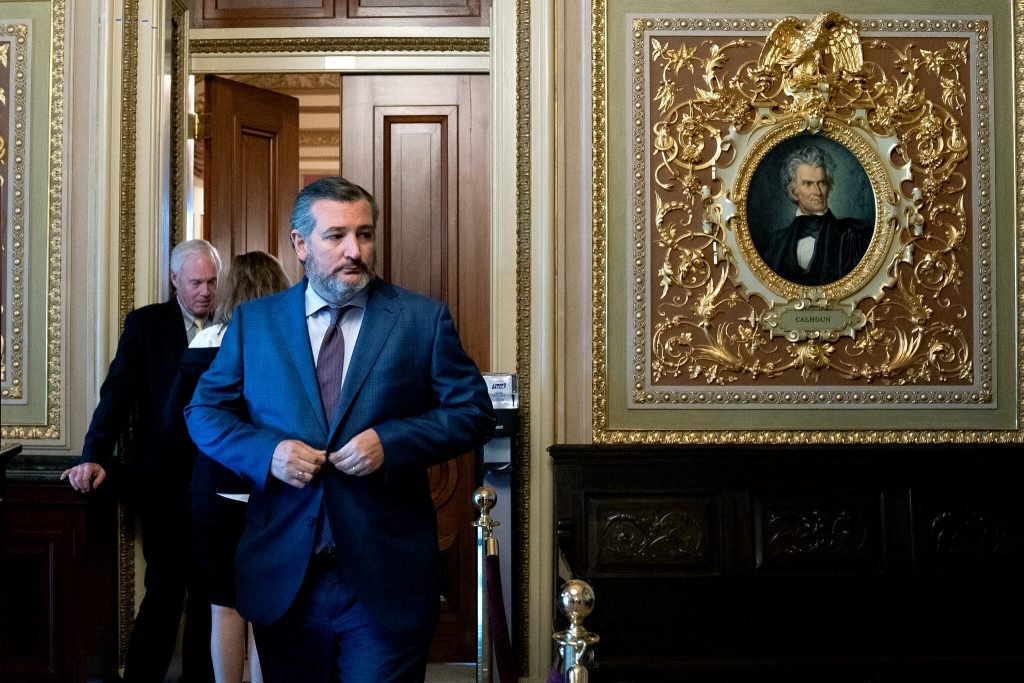
Cruz frames the case in geostrategic terms. Somaliland sits astride one of the world’s busiest sea lanes near the Bab el-Mandeb chokepoint, he notes, and has signaled willingness to host a U.S. presence along the Red Sea while exploring agreements on critical minerals that could strengthen U.S. supply-chain resilience. He also points to Hargeisa’s ties with U.S. partners—facilitating a Taiwanese office, courting closer relations with Israel, and publicly backing the Abraham Accords—as evidence the territory aligns with Washington’s regional priorities.
Much of Cruz’s pitch is cast against Beijing. He accuses the Chinese Communist Party of using “economic and diplomatic coercion” to punish Somaliland for its outreach to Taiwan and says Chinese support to Mogadishu is emboldening anti-Somaliland actors. Recognition, he argues, would reward a democratic outlier in the Horn and blunt China’s leverage along a corridor where Beijing already operates.

The appeal lands as the Trump administration reassesses several Africa files, and as Somaliland’s new president, Abdirahman Mohamed Abdullahi Irro, seeks deeper ties in Washington. For decades U.S. policy has backed Somalia’s territorial integrity and treated Somaliland as an autonomous region; flipping that position would be a diplomatic earthquake, likely welcomed in Hargeisa but fiercely opposed in Mogadishu and scrutinized by the African Union, which generally discourages redrawing colonial-era borders.
Supporters of recognition say the facts on the ground are hard to ignore: since 1991, Somaliland has run its own government, security services, currency, and elections with comparatively little outside aid, even as federal Somalia has wrestled with insurgency and state-building. Critics counter that unilateral recognition could set a combustible precedent, complicate counterterror cooperation with Mogadishu, and invite regional blowback—especially from actors who see Somaliland-Taiwan ties as a provocation.
Cruz’s letter also taps into a broader Washington conversation about de-risking from China in strategic minerals and diversifying logistics along the Red Sea. That mix of values and hard interests is why the idea has traction on the Hill and in parts of the national-security community. Still, recognition is ultimately an executive decision that would demand a thick layer of diplomacy: consultation with allies, guardrails for engagement with Somalia, and a clear plan for U.S. footprints—military, diplomatic, and commercial—in Hargeisa and Berbera.

The White House has not publicly responded. Somaliland’s advocates, meanwhile, are treating Cruz’s move as another sign that their long campaign is breaking through. Whether it turns into policy will hinge on a familiar question in Washington: does the strategic payoff outweigh the diplomatic whiplash? For Cruz, the answer is yes—and he’s daring the administration to say so out loud.