As Chinese warships circle and jets probe Taiwan’s skies, Washington responds with one of its biggest weapons packages in decades.
The United States has approved an $11 billion arms package for Taiwan, Taipei announced Thursday, marking one of the largest proposed weapons sales to the self-governed island as it seeks to deter a potential Chinese invasion.
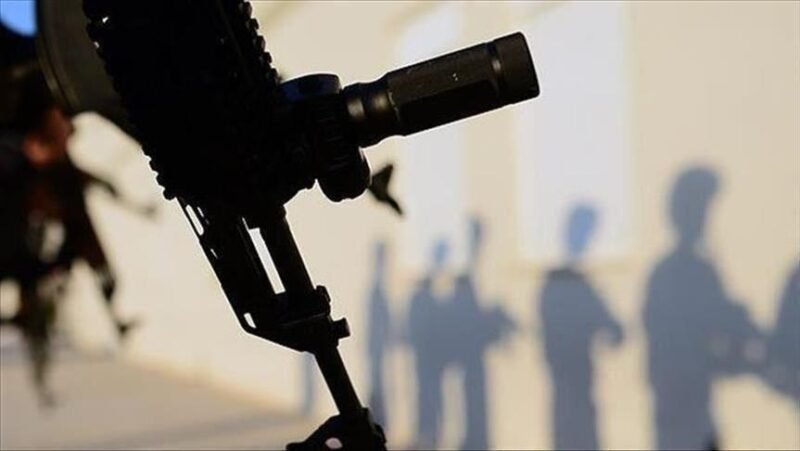
The package, which still requires approval from the U.S. Congress, includes a wide array of advanced systems such as HIMARS rocket launchers, howitzers, anti-tank missiles, drones, and other military equipment, according to Taiwan’s foreign ministry. If finalized, it would be the second arms sale to Taiwan since President Donald Trump returned to office in January, following a smaller $330 million deal for spare parts and components approved in November.
“This is the second arms sale to Taiwan announced during the Trump administration’s second term, once again demonstrating the United States’ firm commitment to Taiwan’s security,” the foreign ministry said in a statement.
The announcement comes amid lingering questions over Trump’s long-term approach to Taiwan, after remarks during the campaign and early in his presidency raised doubts about Washington’s willingness to defend the island. Despite those concerns, the scale of the latest package sends a clear strategic signal at a time of intensifying military pressure from Beijing.
Taiwan has steadily increased defense spending over the past decade as China has ramped up what analysts describe as “grey-zone” operations—near-daily deployments of military aircraft and warships designed to intimidate without triggering open conflict.
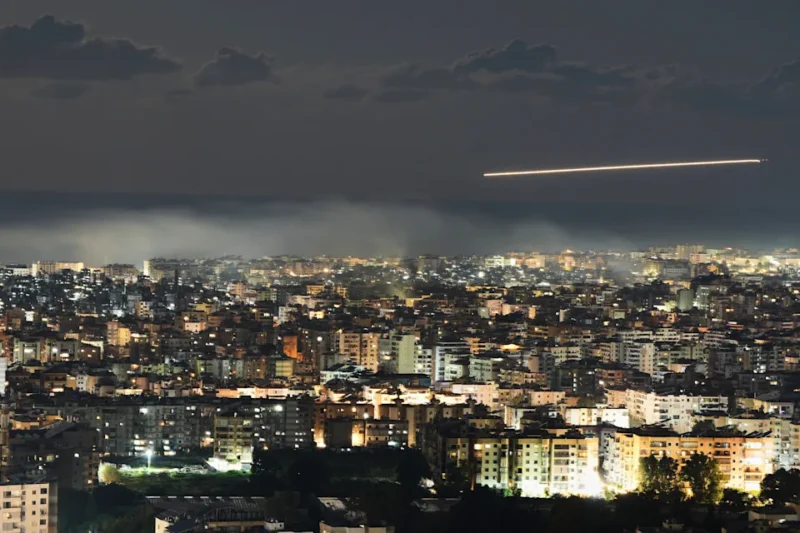
Taipei’s defense ministry said 40 Chinese military aircraft, including fighters, helicopters, and drones, along with eight naval vessels, were detected around the island in a 24-hour period ending early Thursday. Earlier this week, China’s newest aircraft carrier, the Fujian, sailed through the Taiwan Strait.
The size of the proposed sale rivals historic arms packages, including the $18 billion authorized under former U.S. President George W. Bush in 2001, which was later reduced through negotiations. During Trump’s first term, Washington approved roughly $10 billion in arms sales to Taiwan, including $8 billion for fighter jets.
Taiwan’s defense ministry said the latest package would help the island “rapidly build robust deterrence capabilities,” even as officials acknowledge that Taiwan would be heavily outmatched in a full-scale conflict with China and remains reliant on U.S. military support.
President Lai Ching-te’s government has pledged to sharply increase defense spending, aiming to exceed three percent of GDP next year and reach five percent by 2030. Taipei is also seeking up to NT$1 trillion in special funding to upgrade air defenses and expand ammunition production and storage. Those proposals, however, must still pass Taiwan’s opposition-controlled parliament.
For Washington, the arms sale reinforces a long-standing policy of supporting Taiwan’s self-defense without formally committing to direct military intervention. For Beijing, it is likely to be viewed as another provocation. And for Taipei, the message is unmistakable: deterrence, not diplomacy alone, is now the centerpiece of its survival strategy.