During a recent peace agreement signing between Azerbaijan and Armenia, US President Donald Trump was asked about his stance on recognizing Somaliland. He acknowledged the issue is “on the table” and confirmed that “we have that issue under control.”
When pressed further, Trump described Somaliland as “another complex situation,” but emphasized that the administration is actively working on it.
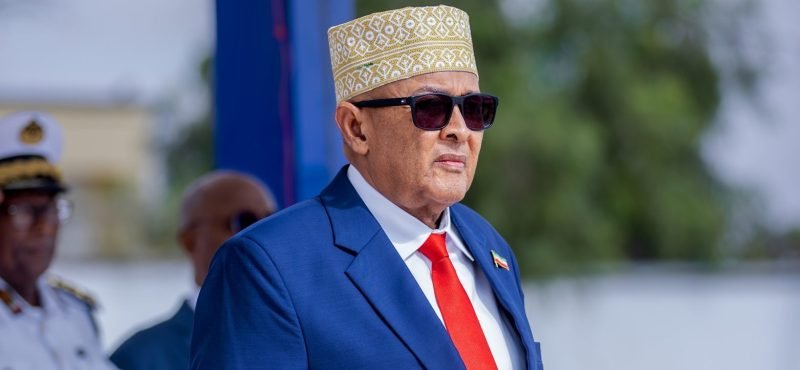
Trump’s comments mark a rare direct acknowledgement from a sitting US president about Somaliland’s quest for recognition. This comes after reports surfaced of Somaliland’s President Abdirahman Mohamed Abdullahi Irro proposing a deal with Washington: mineral rights in exchange for a US military base in Berbera, a strategic port city.
Political analysts suggest that Irro’s business-minded approach could resonate with Trump, who is known for favoring deals that serve American interests.
Somaliland, a relatively stable and democratic region in the Horn of Africa, declared independence in 1991 following its historic sovereignty from Britain in 1960.
Despite its self-governance and peaceful elections, Somaliland remains unrecognized internationally.
Somalia’s federal government vehemently opposes recognition, viewing it as a threat to national unity—ranking it just behind terrorism in severity.
US officials have expressed caution. The US ambassador to Somalia warned that recognizing Somaliland might damage bilateral relations. Congress has also weighed in, urging the State Department to prepare a report on engagement possibilities with Somaliland, especially on diplomacy, security, and development. Some lawmakers are even pushing legislation to formally recognize Somaliland.
Together, these developments highlight a growing momentum in Washington around Somaliland’s status, signaling a potential shift in US policy.