Espionage in the Arctic: Norway’s Security Breach Highlights Rising East-West Tensions
The indictment of a former U.S. Embassy security guard in Norway for allegedly spying for Russia and Iran is a stark reminder of the intensifying intelligence battles playing out far beyond traditional hotspots. This case, involving sensitive information about embassy diplomats, floor plans, and security procedures, underscores how even seemingly peripheral locations like Norway’s Arctic region have become frontlines in global espionage.
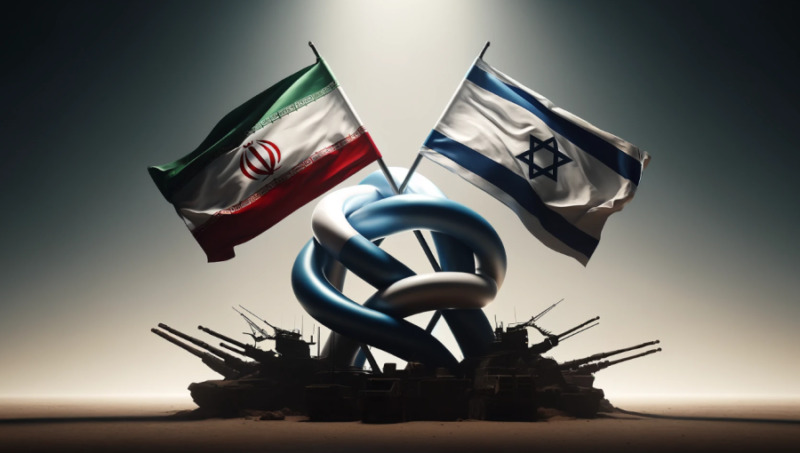
Norway’s geographical proximity to Russia—sharing a 198-kilometer border in the Arctic—positions it as a critical player in NATO’s northern flank. Since Russia’s invasion of Ukraine in 2022, the Arctic has gained strategic importance, with Norway tightening security and border controls. The arrest of this individual, who reportedly sought contact with Russian and Iranian intelligence influenced by geopolitical flashpoints such as U.S.-Israel ties and the Gaza conflict, illustrates how regional conflicts resonate globally, fueling espionage activities.
The defendant’s claim, through his defense, that the leaked information might not legally constitute “classified” data reflects common gray areas in espionage cases. It also hints at the challenges Western nations face in securing sensitive information across multiple layers of security clearance and employee access. The fact that the accused was pursuing studies in security and preparedness at Norway’s Arctic University (UiT)—an institution previously linked to another espionage case—raises questions about recruitment tactics and vulnerabilities in academic environments near strategic zones.
Moreover, the case fits into a larger pattern of Russia’s intelligence operations expanding beyond traditional battlegrounds, exploiting ideological grievances and regional conflicts. Iran’s involvement further complicates the picture, as Tehran seeks to leverage global conflicts to undermine Western alliances. This multifaceted espionage attempt is not just about state secrets but about shifting alliances, influence, and power projection in the increasingly contested Arctic and surrounding regions.
For the U.S. and its allies, this incident signals the urgent need for robust counterintelligence frameworks, particularly in vulnerable outposts. Norway’s consideration of physical border barriers against Russia reflects the broader security recalibration in response to renewed Cold War-style pressures.
The silence from official channels like the U.S. Embassy and prosecutorial offices—while typical in sensitive cases—adds an air of uncertainty that feeds speculation about the extent of damage and intelligence losses.
As geopolitical rivalries intensify, cases like this espionage scandal remind us that the Cold War never truly ended; it has simply evolved. The Arctic, long perceived as remote and tranquil, is now a chessboard for espionage, strategy, and influence—where every leak, every spy, can tip the balance in a world increasingly defined by hybrid conflicts and covert operations.