A surprise visit by UAE President Mohammed bin Zayed to Cairo has laid bare the intensity of pressure building on Egypt to accept a large number of displaced Palestinians from Gaza — a condition reportedly tied to continued U.S. economic and military support. According to high-level diplomatic sources cited by Al-Araby Al-Jadeed, this may be Cairo’s “last chance” to say yes before losing billions in American assistance.
A Quiet Ultimatum
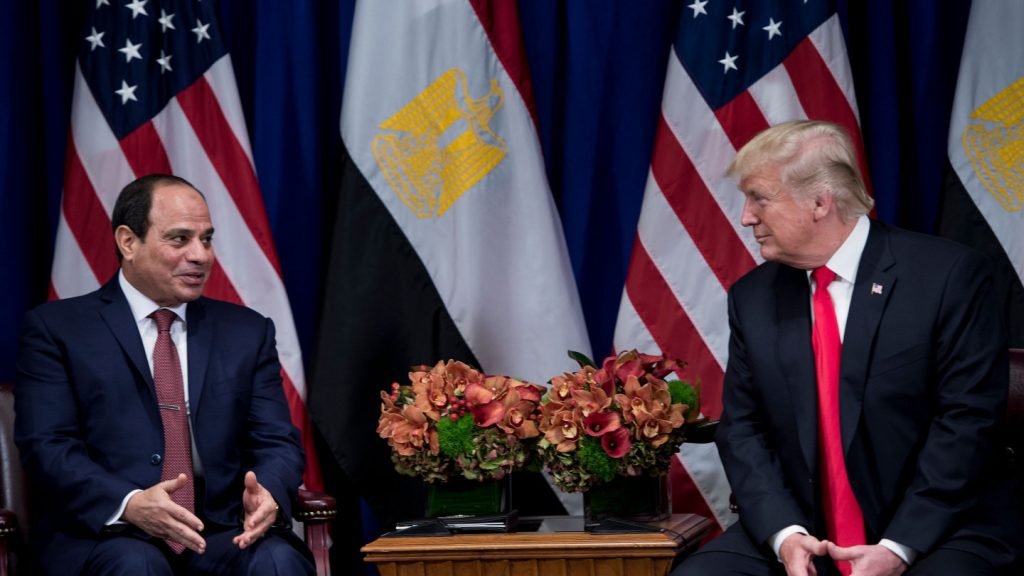
UAE President bin Zayed reportedly delivered the message personally: If Egypt continues rejecting U.S. President Donald Trump’s Gaza relocation plan, American support will be redirected elsewhere. In return for accepting between 500,000 and 700,000 Gazans, Egypt would receive billions in economic lifelines from Washington and Gulf allies.
Following bin Zayed’s visit, the U.S. and UAE jointly announced a $1.4 trillion investment package over the next decade — a signal to Egypt that the financial muscle exists, but cooperation is the price of entry.
Cairo has made its opposition crystal clear. In an official statement, the Egyptian State Information Service called any effort to move Palestinians into Sinai a “red line,” warning that such displacement would be “a threat to Egypt’s national security” and “a liquidation of the Palestinian cause.”
But the pressure isn’t only diplomatic. Multiple sources confirm that security guarantees and infrastructure promises are being dangled — from weapons upgrades to tourism corridors — in exchange for Cairo’s compliance.
The Gaza relocation plan isn’t an isolated proposal. It fits into a broader U.S.-led strategy to redraw the political and demographic map of the region. Israeli Defense Minister Israel Katz has already launched a new ministry department to manage the “voluntary departure” of Palestinians from Gaza — further fueling speculation that groundwork is being laid for a large-scale population shift.
Meanwhile, Trump’s point man in the region, special envoy Steve Witkoff, is reportedly working the back channels in Baku, Riyadh, and even Amman to secure secondary relocation options should Egypt refuse.
This is Trump’s boldest move yet — not just in Gaza but in the entire Middle East. It’s a test of who wants in on the new regional order, and who gets left behind.
If Egypt gives in, it will mark the start of a new era. But if it resists, expect growing U.S. frustration — and possibly economic punishment.
President Abdel Fattah el-Sisi now finds himself cornered between national pride and financial collapse. Egypt’s economy is fragile, foreign reserves are dwindling, and inflation is squeezing millions. A deal could stabilize the situation — but at what political cost?
Refusing the deal could isolate Cairo just as the region is realigning around U.S., Israeli, Emirati, and Saudi initiatives. Accepting it could spark domestic outrage and security risks in Sinai.
The Gaza relocation plan — once seen as fringe — is now the centerpiece of a high-stakes regional gamble. Egypt is being asked to choose: bend to Trump’s vision of a post-Gaza Middle East, or hold the line and risk strategic and economic fallout.
What happens next in Cairo will shape not just the future of Gaza, but the trajectory of Middle Eastern geopolitics for years to come.