As the U.S. disengages, Russia entrenches itself in Africa — arming juntas, toppling Western influence, and redrawing the global map.
Russia isn’t just playing defense on Ukraine—it’s building an empire in Africa. From the Sahel to the Atlantic coast, Moscow is turning instability into strategy. What the West sees as chaos, the Kremlin sees as opportunity. And it’s capitalizing fast.
The Trump administration’s focus on Eastern Europe has left Africa dangerously exposed. While the U.S. exits Niger and France retreats from Mali, Burkina Faso, and Senegal, Russia is stepping in—with weapons, mercenaries, and deals. And make no mistake: this isn’t charity. This is conquest by proxy.
In Burkina Faso, Mali, and Niger—the heart of the new Alliance of Sahel States—military juntas backed by Moscow have severed ties with France and the U.S., forming a regional force under Russian guidance. With 5,000 troops poised to reshape the Sahel, Western-backed frameworks like G5 Sahel are being dismantled. In their place? Russian-dominated command centers and Wagner-led operations.
Wagner PMC, far from being a rogue outfit, is the Kremlin’s hand in Africa’s affairs. From diamond mines in the Central African Republic to military bases in Libya, it embeds deeply, restructures loyalties, and leaves Moscow with leverage. In many African capitals, Wagner is more influential than any ambassador.
But Putin’s ambitions don’t stop at the Sahel. Lavrov’s 2023 visit to Mauritania, a key Atlantic state, signals a coastal pivot. Russia wants the Atlantic flank—naval access, trade routes, and digital infrastructure. And it’s using soft power, narratives of anti-colonial solidarity, and military dependence to get there.
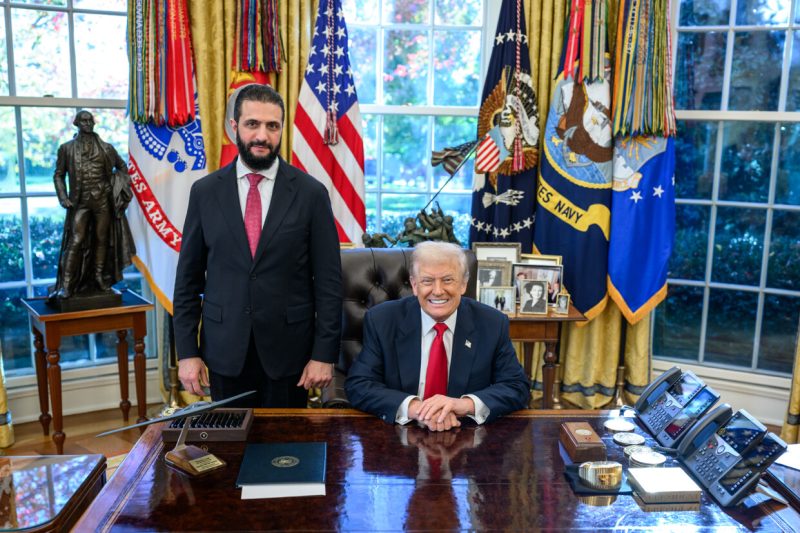
Washington is watching—but not reacting. As Trump pursues a Ukraine deal with Putin, the Kremlin is racking up wins in Africa. China and Iran are also in sync, forming a trilateral axis to counter Western influence in every sphere—military, digital, and ideological.
Bottom line: Africa is no longer a battlefield for hearts and minds—it’s now a staging ground for great power competition. Russia isn’t just back. It’s building a new empire, and if the U.S. doesn’t act, NATO will find its southern flank compromised not by bullets, but by silence.