UK Secretary of State David Lammy commits to partnering with democratic Somaliland to counter rising Al-Shabaab activities, emphasizing mutual concerns and the need for collaborative efforts in combating terrorism in the region.
UK Secretary of State David Lammy articulated a strong commitment to collaborate with the Republic of Somaliland in addressing the pervasive threat posed by Al-Shabaab, underscoring a pivotal moment in the international community’s approach to counterterrorism in the Horn of Africa. This declaration followed a query from MP Gavin Williamson about strengthening ties with Somaliland to combat regional terrorist threats effectively.
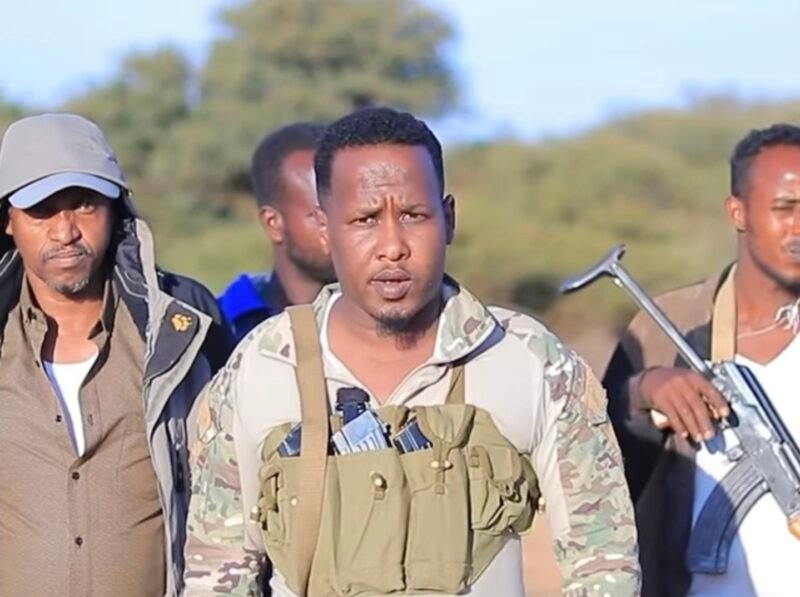
Somaliland, recognized for its democratic governance in a region riddled with instability, represents a unique ally for Western nations aiming to curb the spread of terrorism emanating from Somalia, where Al-Shabaab remains entrenched. Unlike its tumultuous neighbor Somalia, Somaliland has managed to maintain relative peace and democratic processes since declaring its independence over three decades ago, though it lacks official recognition as a sovereign state by the international community.
The UK’s strategic pivot towards Somaliland is not merely a bilateral overture but reflects a broader geopolitical interest. Al-Shabaab’s increasing influence in Somalia poses a direct threat not only to regional stability but also to international security, given the group’s history of orchestrating attacks beyond its borders. By partnering with Somaliland, the UK leverages a local force that is both knowledgeable about and deeply invested in curtailing Al-Shabaab’s operations.
Secretary Lammy’s assurance to MP Williamson during the debate highlights the UK’s readiness to extend both diplomatic and potentially military support to Somaliland. This approach is indicative of a larger trend where global powers are increasingly willing to engage with non-traditionally recognized entities to address security vacuums that have international repercussions.
The implications of this partnership extend beyond mere counterterrorism. For Somaliland, support from a significant global player like the UK could bolster its quest for international recognition and validate its longstanding efforts to establish a democratic norm in the region. For the UK, this alliance not only aids in mitigating the threat of terrorism but also positions it as a key player in influencing political and security outcomes in East Africa.
Moreover, this collaboration could signal to other nations the viability and strategic advantage of partnering with Somaliland, potentially encouraging more international interactions and support. However, the effectiveness of this partnership will largely depend on the continuous engagement and the concrete support that the UK offers, going beyond diplomatic affirmations to include security assistance, intelligence sharing, and economic aid to bolster Somaliland’s capacity to counteract regional threats.
As this partnership unfolds, it will be crucial to monitor how this UK-Somaliland engagement influences Al-Shabaab’s activities and the broader security landscape of the Horn of Africa. Additionally, the reaction of other regional powers and the international community to this burgeoning alliance will further define the contours of geopolitical dynamics in the area.