As tensions rise, over 45,000 families flee Erigavo, seeking refuge from potential conflict despite government efforts to stabilize the region.
Somaliland is grappling with a rapidly escalating crisis in the Sanaag region, where minor clashes have sparked fear of a broader conflict, driving at least 45,000 families from their homes in Erigavo. Despite the Somaliland government’s efforts to launch a new peace initiative aimed at integrating clan militias into its formal security structure, the displacement underscores the fragility of the situation and the challenges of enforcing long-term stability.
The recent turmoil began with skirmishes between Somaliland forces and Khaatumo fighters, a situation that rapidly deteriorated as the fear of intensified fighting took hold among the local population. The government’s response has been to push forward a peace initiative, which involves the integration of SSB and G36 clan militias into the national armed forces. This move is seen as crucial to preventing future conflicts and stabilizing the region.
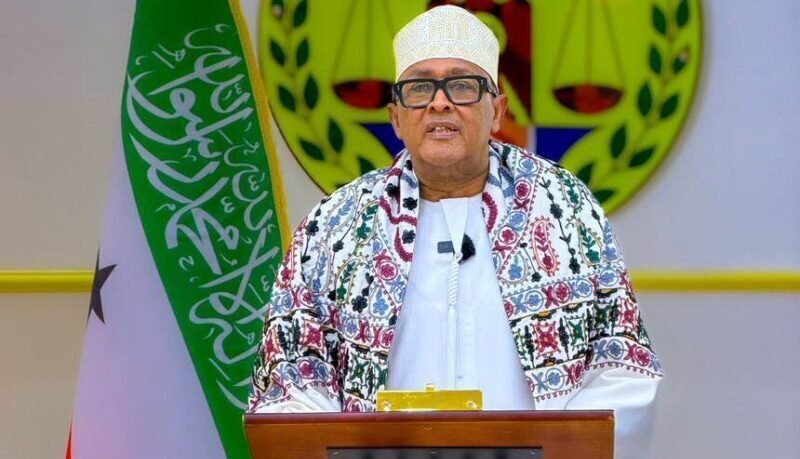
Somaliland Vice President Mohamed Ali Aw Abdi, speaking at a military ceremony in Erigavo, assured that the national forces have taken full control of security operations. “The national armed forces have taken control of the country’s defense,” he stated, emphasizing the government’s commitment to securing the area and restoring confidence among the residents.
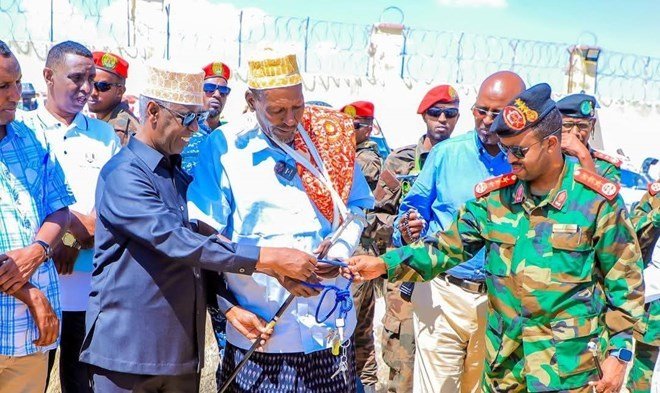
However, the integration of clan militias into the national military has been met with skepticism. Many residents fear that these militias, deeply rooted in clan loyalties, may not fully align with the interests of the central government. This distrust exacerbates the tension, as civilians worry about the potential for these groups to act independently, prioritizing clan allegiance over national stability.
The humanitarian situation in Sanaag is dire, with displaced families facing a lack of access to essential services such as shelter, food, and medical care. The roads out of Erigavo are congested with those fleeing the uncertainty, and aid agencies are sounding alarms over the potential for a humanitarian crisis if stability is not swiftly and effectively restored.
In the midst of this upheaval, the government’s peace initiative, while a positive step, faces significant hurdles. Vice President Aw Abdi’s assurance that the peace platform is set and that reconciliation is underway does little to alleviate the immediate needs of thousands of displaced individuals. The effectiveness of this initiative remains to be seen as the government must not only manage the integration of armed militias but also address the urgent humanitarian needs and restore public trust.
This situation in Sanaag is a critical test for Somaliland’s leadership. The ability to transform promises of peace into tangible security measures will determine the future stability of the region. It also poses a broader question about the effectiveness of integrating armed militias into national forces as a strategy for achieving lasting peace in regions marred by clan-based loyalties and historical conflicts.
As Somaliland navigates these complex challenges, the international community and regional stakeholders will be closely watching. The outcome will not only affect the displaced families and the immediate security of Sanaag but also set a precedent for how similar conflicts are addressed in the Horn of Africa—a region where the balance between clan loyalty and national unity is often delicate and fraught with potential for unrest.