The war just escalated again—this time, through the world’s most critical oil artery.
In a dramatic escalation following failed peace talks in Islamabad, Donald Trump has ordered the United States Navy to begin a blockade of the Strait of Hormuz—one of the most consequential moves of the war so far.
“Effective immediately,” Trump announced, U.S. forces will interdict “any and all ships” entering or leaving the strategic waterway. The declaration comes just hours after negotiations led by JD Vance collapsed without agreement, leaving the fragile ceasefire hanging by a thread.
The Strait of Hormuz is not just another maritime corridor. Roughly one-fifth of the world’s oil and liquefied natural gas passes through it under normal conditions. Even partial disruption has already driven prices sharply higher. A full blockade risks something far more severe: a sustained global energy shock.
Trump’s strategy appears aimed at cutting off Iran’s economic lifeline—its oil exports—while forcing Tehran back to the negotiating table. But the move carries immediate and far-reaching consequences. By targeting all shipping, including vessels that comply with Iran’s controversial toll system, Washington is effectively expanding the conflict beyond a bilateral confrontation into a broader challenge to global trade flows.
The risks are not theoretical. Enforcing a blockade in or near the strait could place U.S. naval assets within range of Iranian missiles and drones. While Washington could attempt enforcement farther out in the Arabian Sea, the message remains the same: the United States is prepared to escalate economic warfare to secure strategic leverage.
Allies appear cautious. Despite Trump’s suggestion of coordinated action, British officials have signaled they will not participate directly in the blockade, limiting their role to potential mine-clearing operations if a broader international plan emerges.
For Iran, the stakes are equally high. The country has managed to sustain oil exports near pre-war levels, benefiting from surging prices even as regional rivals saw production disrupted. A blockade threatens to reverse that advantage—yet it also reinforces Tehran’s narrative that global energy flows are now a battlefield.
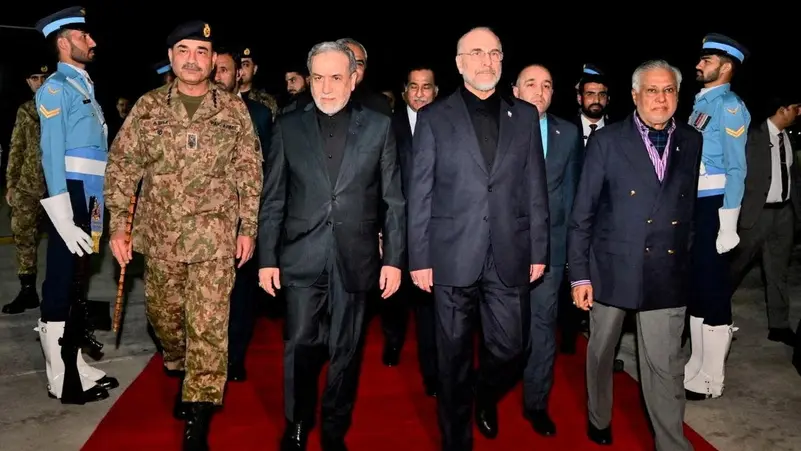
The timing underscores a deeper shift. What began as a military campaign has evolved into a contest over economic control and maritime dominance. The failed talks in Pakistan exposed how far apart the two sides remain—not only on nuclear issues, but on the fundamental question of who controls the Strait.
Trump framed the move in absolute terms: “all in and all out.” But such clarity in rhetoric may mask growing strategic ambiguity. A blockade could pressure Iran—but it could just as easily strain alliances, disrupt markets, and widen the conflict.
The ceasefire, already fragile, now faces its most serious test. The next phase of the war may not be decided by missiles alone, but by who can endure—and control—the global consequences of economic escalation.