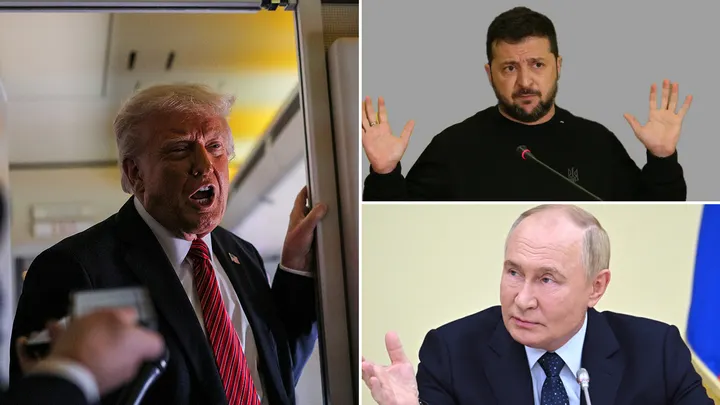
As Kharkiv Burns and Belgorod Bleeds, International Tensions Flare Over Western Weapons Restrictions
The northeastern Ukrainian city of Kharkiv has been rocked by a brutal Russian attack that underscores the escalating brutality of this war. On Friday, Kharkiv’s playgrounds and a 12-story residential building were transformed into scenes of horror as Russian glide bombs, precision-guided munitions designed to inflict maximum damage, turned them into ruins. The casualties are sobering: seven dead, including a 14-year-old girl, and at least 77 injured, with twenty in critical condition. The residential building, now engulfed in flames, epitomizes the unrelenting devastation.
In the aftermath, Ukrainian President Volodymyr Zelenskyy has launched a fervent plea to Western allies, demanding the relaxation of restrictions on long-range Western weapons. Zelenskyy argues that if Ukraine had the freedom to strike Russian military bases directly, this attack might have been thwarted. His Telegram post captured the frustration: “There is no rational reason to restrict Ukraine’s defenses.” This call for expanded military support is not just a plea for equipment; it is a demand for strategic parity.
Simultaneously, Ukrainian officials are in Washington, where Economy Minister Yulia Svyrydenko and Defense Minister Rustem Umerov met with U.S. Defense Secretary Lloyd Austin. They emphasized the dire need to bolster air defenses and expedite promised weapons deliveries. Ukraine’s head of the president’s office, Andriy Yermak, underscored the urgency, pointing out that the timely arrival of defensive aid is critical for safeguarding civilians and infrastructure.
The situation has equally dire repercussions on the Russian side. Moscow reports that Ukrainian cluster munitions targeted the city of Belgorod, resulting in five deaths and 37 injuries. This attack, though relatively less publicized, intensifies the grim calculus of this war. The mutual exchange of fire serves as a stark reminder of the escalating hostilities that defy any clear resolution.
In Brussels, the discourse on military aid took center stage as EU defense ministers convened for their first informal meeting since the summer. The ministers voiced a unified stance on the need to deliver promised weapons systems. Estonian Defense Minister Hanno Pevkur highlighted that Ukraine’s recent offensive into Russia’s Kursk region, while strategically significant, is hampered by insufficient armament, leaving Kyiv effectively fighting with one hand tied behind its back.
Netherlands Defense Minister Ruben Brekelmans hinted that the promised Patriot missile defense systems are on their way, though he refrained from providing specifics to avoid giving the Russians an advantage. Meanwhile, Ukrainian Foreign Minister Dmytro Kuleba, present at the meeting, pushed for the lifting of restrictions on long-range weapons, urging the EU to pressure Britain and the U.S. to allow strikes on “legitimate” targets deep within Russia.
Both Britain and the U.S. have been cautious, imposing limits on the use of their advanced weaponry to avoid escalating the conflict further. Despite earlier agreements permitting strikes in response to specific Russian actions, these restrictions remain a contentious issue. EU foreign policy chief Josep Borrell joined Kuleba in advocating for the removal of these constraints, emphasizing that the current limits impede Ukraine’s ability to effectively counter Russian aggression.
As the conflict continues to ravage Ukraine, reports from the city of Sumy reveal further casualties from a Russian strike that killed two women and injured eight others. The airstrike, targeting a factory involved in producing everyday essentials, underscores the indiscriminate nature of the warfare impacting civilian lives.
This unfolding catastrophe highlights not only the devastating immediate impacts but also the geopolitical ramifications, as international actors grapple with how best to respond to the relentless violence and shifting dynamics of the conflict. With each attack and counterattack, the war reveals new depths of destruction and urgency, raising profound questions about the future of military engagement and humanitarian responses in the region.